
Results About Careers Contact Law Enforcement Video Request
Virtual Client Sign-in Guard Client Sign-in Request a Free Security Assessment (519) 800-3947
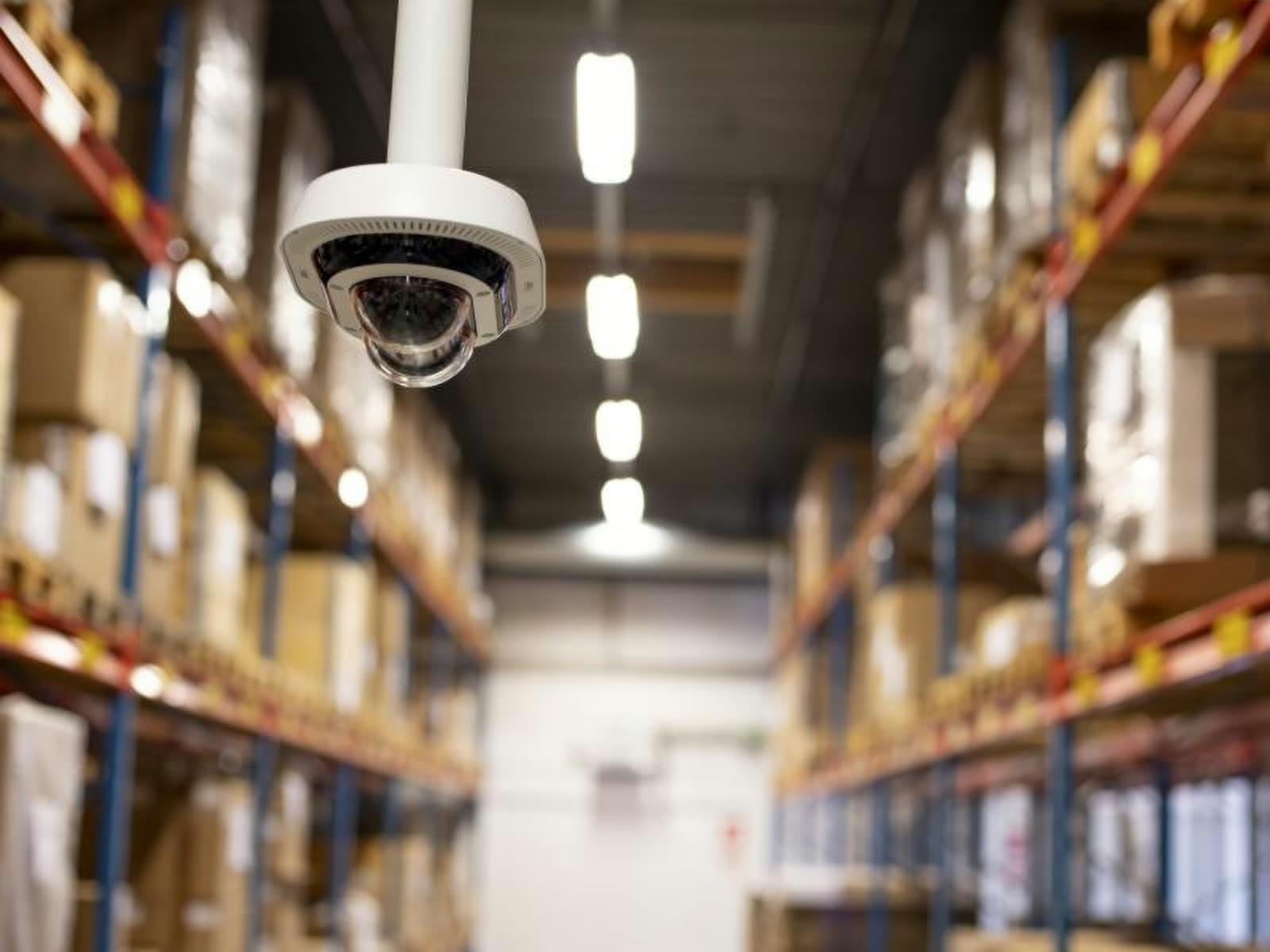
A ceiling-mounted dome camera covering a racked warehouse aisle
Michigan, Ohio & the Midwest

Someone is watching
after the last shift.

Live remote video monitoring and the camera and access control hardware underneath it, for commercial and industrial sites across Michigan, Ohio and the wider Midwest. Operators verify what the camera saw before anyone is called out.

What ACS does south of the border

Two services, and we are
direct about the third.

Plenty of monitoring companies let you assume they can put a person on your property. It is worth knowing the answer before you need it, not during.

  1. Cameras and access control — yes

    4K IP camera systems and access control on NDAA-compliant hardware, specified for the site rather than sold as a package. The same equipment that goes on ACS sites in Ontario.

  2. Live remote monitoring — yes

    Trained operators watching your cameras on the hours you choose, verifying detections and running your written escalation, rather than passing an unverified alarm straight through to you.

  3. Guards on the ground — no

    Licensed officers and mobile towers are Ontario only. In the United States the monitoring runs alongside whatever local response you already have, and ACS will say so rather than take the work.

  4. One standard across the border

    If you run sites in Ontario and in Michigan or Ohio, they sit on the same operators, the same rules and the same monthly report.

Where the operators actually are

Across the river,
not across the country.

ACS watches from Windsor, Ontario, which sits on the south bank of the Detroit River directly opposite Detroit. For a Michigan site that is the same metropolitan area. For the rest of the Midwest it is the same time zone, which means no overnight handoff to a centre that has never seen your property.

  1. The same hardware

    What goes on a Michigan building is what goes on an Ontario one. One equipment standard means one set of answers when footage has to be pulled.

  2. The same operators

    No overnight handoff to a different centre in a different time zone. The people watching a Toledo yard at 3am are the people watching a Windsor one.

  3. The same report

    Events documented the same way at every address, with the footage kept alongside, so a cross-border portfolio reports as one program rather than two.

Ask what your sites would look like on one monitoring standard, and what the report would say.

(519) 800-3947
What actually happens

Detect, verify, speak,
escalate, document.

The order matters. Most of what a camera detects at night is weather, wildlife or a delivery, and an operator who checks first is the difference between a report and a wasted call-out.

  1. Detect

    Analytics on the camera raise the event — a line crossed, a region entered, someone loitering, an object removed. The rules are set per zone for that site, not globally.

  2. Verify

    An operator opens the live view and looks. This is the step that an alarm panel cannot do and the step that decides whether anything else happens at all.

  3. Speak

    Where site speakers are installed, the operator talks to the person on the property, describing what they are doing and where they are standing. Being addressed by a live voice rather than a siren changes what happens next.

  4. Escalate

    Your written list, in your order — local police, your alarm company, your own responders, your on-call manager. A verified report carries weight an unverified alarm does not.

  5. Document

    The event is written up and the footage is kept with it, so the morning conversation starts from a record rather than a recollection.

What you get

What each part of the
program is actually for.

Take the hardware, take the monitoring, or take both. A site with cameras already on it can often start with monitoring alone, and fill the gaps the compatibility review finds.

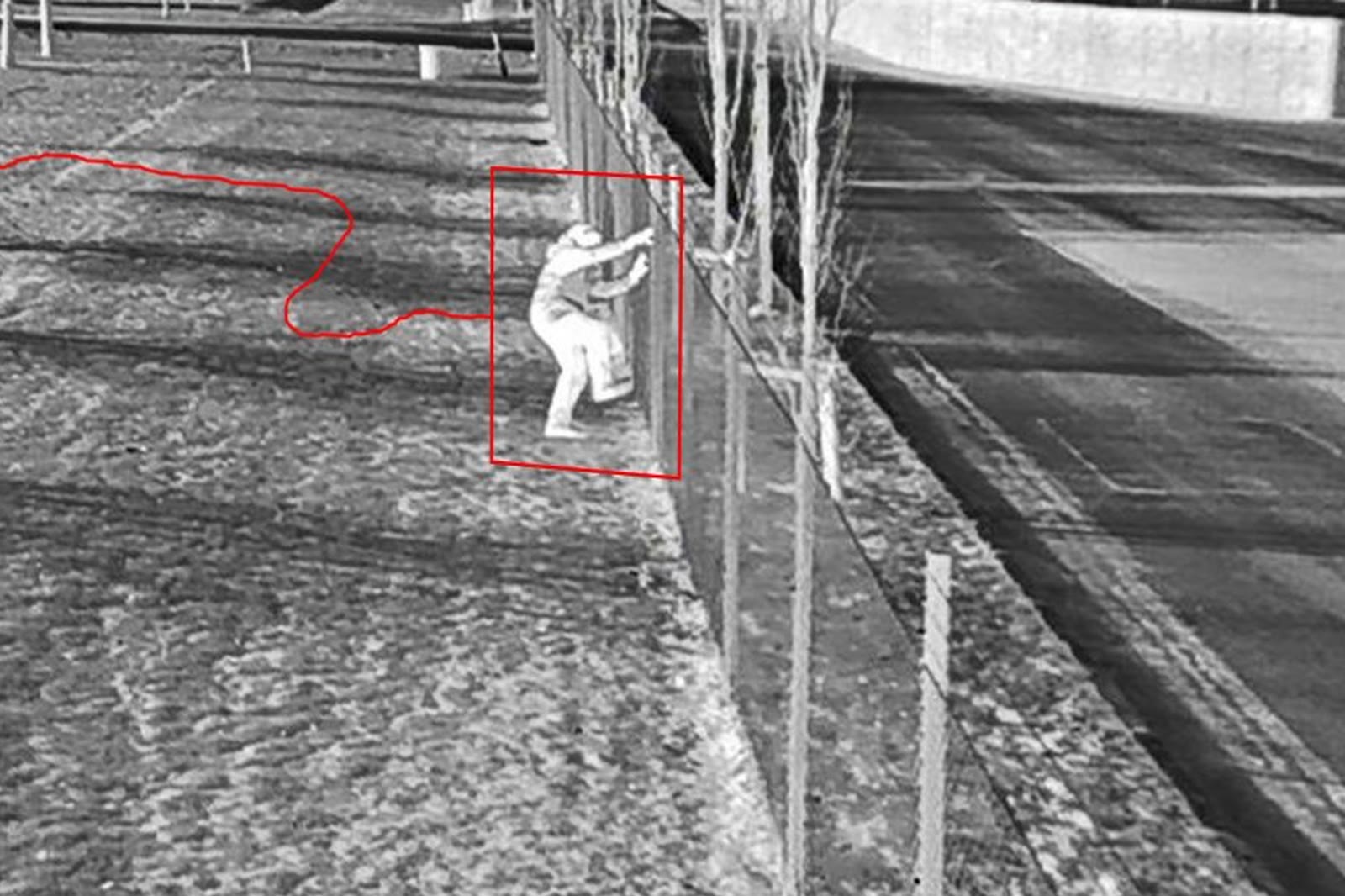
    A thermal camera frame from an ACS site at night: a person climbing a fence, tracked and outlined in red After hours, on the hours you choose

    Virtual Security Guards

    Trained operators on your live cameras, verifying before escalating and speaking over site audio where it is installed.

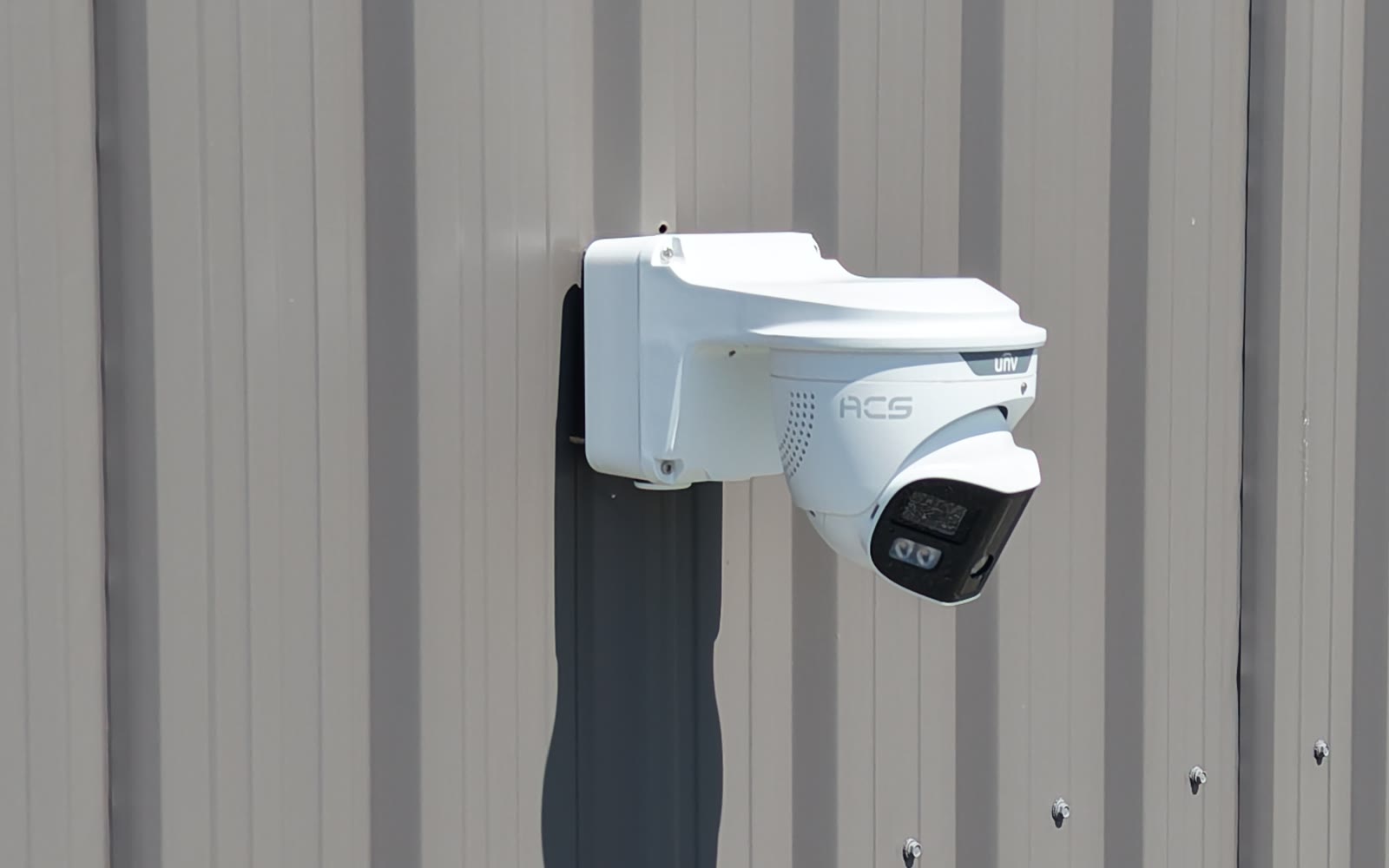
    An ACS fixed camera mounted on a building wall Yards, docks, lots and the building line

    Commercial CCTV

    4K IP cameras on NDAA-compliant hardware, placed for the zones that have to be watched rather than spaced evenly along a wall.

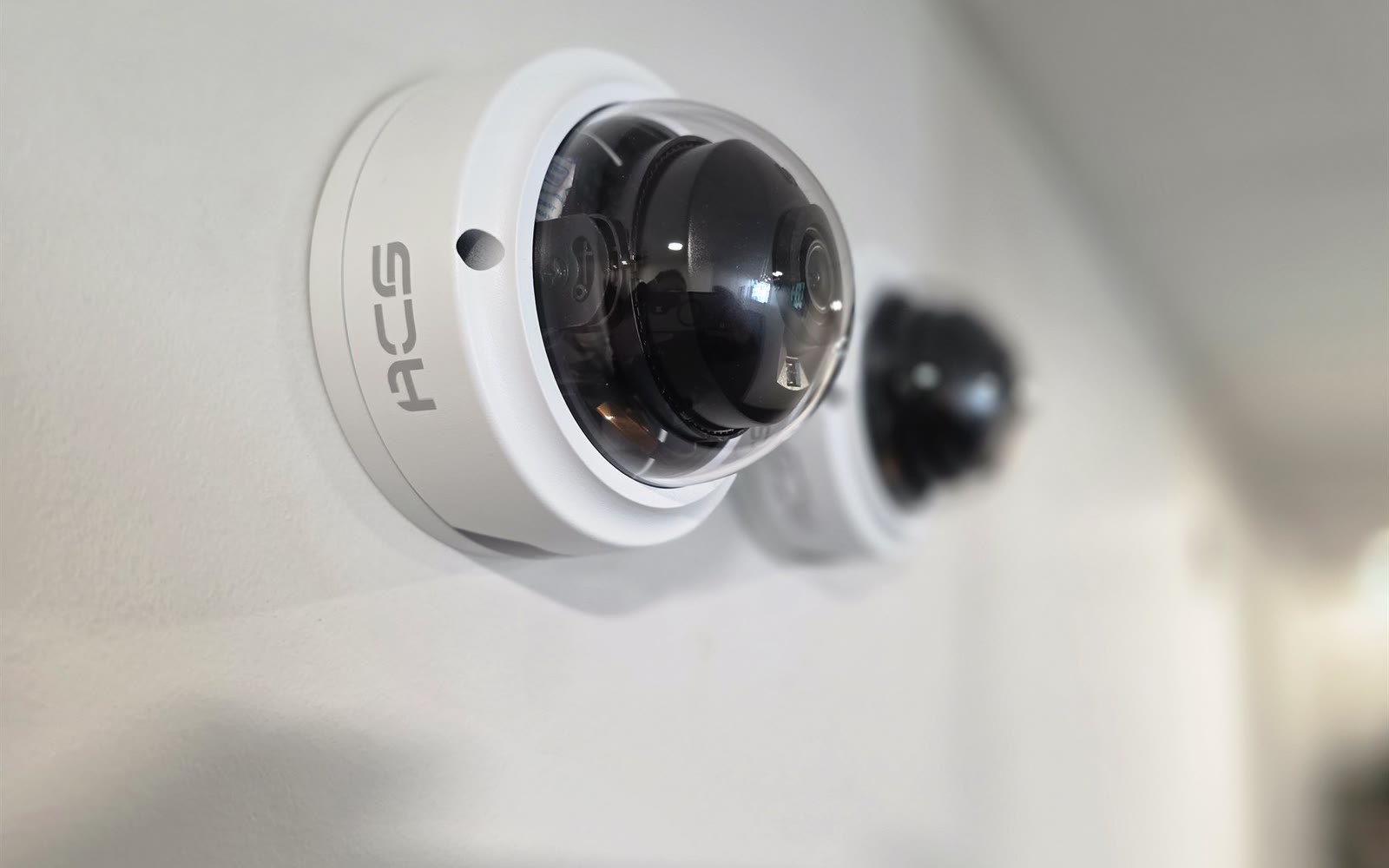
    An ACS dome camera on an interior ceiling Gates, docks and interior doors

    Access Control

    Credentials rather than keys, with a record of every door used, so a contractor or a carrier can be removed the day they stop coming.

Licensed security guards, mobile patrol and mobile defense towers are offered in Ontario only and are not available in the United States.

Proof

An after-hours breach, handled live.

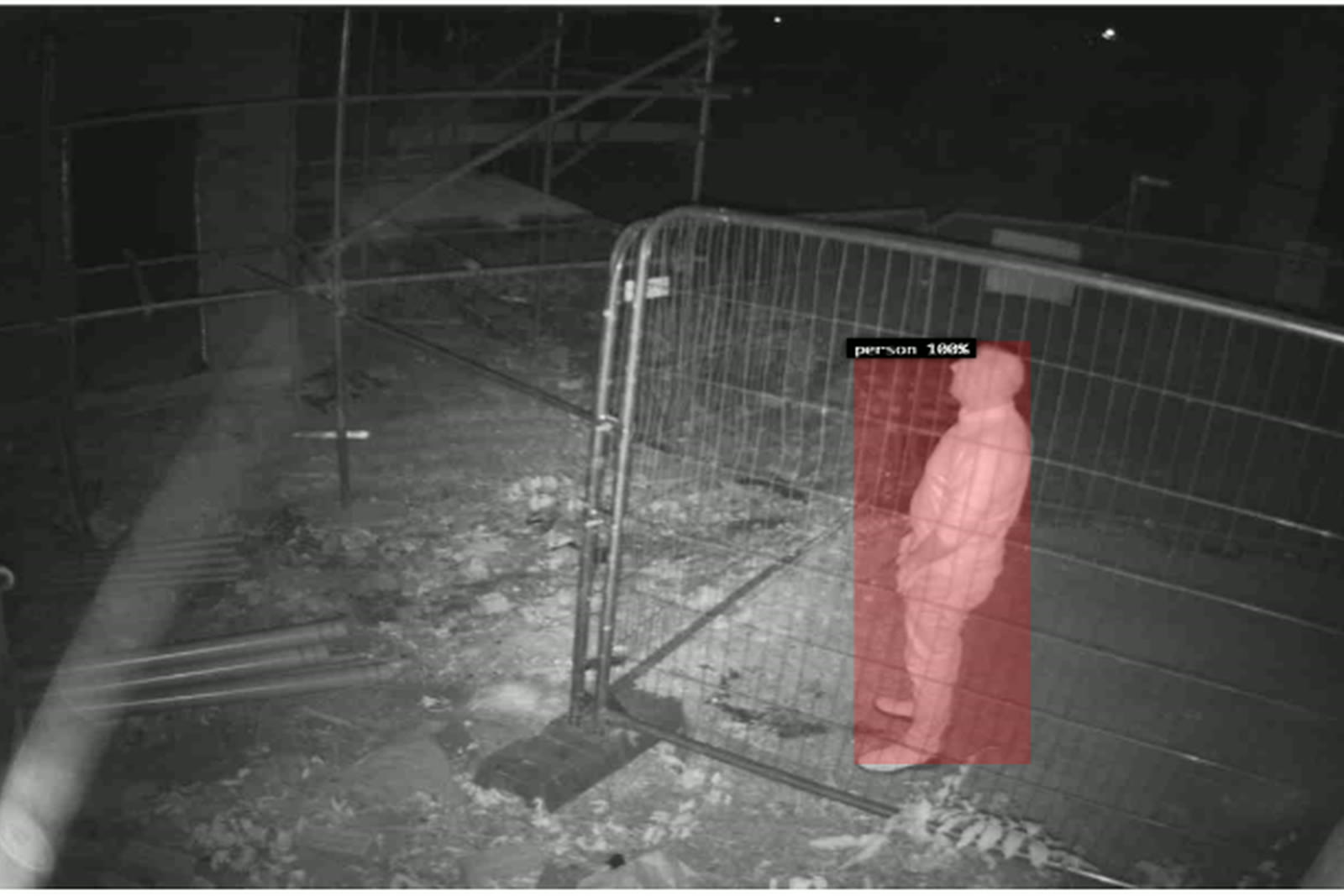
A night camera frame from an ACS site: a person standing at a site fence, boxed and labelled by the detection
Virtual intervention

After-hours perimeter breach

Problem: a person detected on a monitored site, well after close.

Plan: the AI detection was verified by a trained operator, who then spoke to the person live over the site audio.

Outcome: the person left the property, and the incident report was filed before morning.

Voice-downbefore any call-out
FAQ

Common questions.

No. Licensed security guards and mobile towers are offered in Ontario only. What ACS runs in the United States is camera and access control hardware and live remote video monitoring. If a site needs an officer physically on the ground, that has to come from a provider local to it, and the monitoring works alongside them rather than replacing them.

The operator verifies the detection on live cameras before anything else, so a call-out happens because a person is there and not because something moved. Where site speakers are installed, the operator speaks to the person directly. Then the site’s own written escalation runs — local police, your alarm company, your own responders or your on-call manager. Every event is documented and the footage is kept with the report.

Whoever your site already uses. ACS does not dispatch a vehicle in the United States. The escalation list is written with you during the assessment and the operators follow it exactly, which is what makes a verified call worth more to a responder than an unverified alarm.

Usually. Most existing IP camera systems can be brought under monitoring after a compatibility review covering feed access, network uplink and zone coverage. Where the existing coverage has gaps the review says so rather than monitoring a blind corner.

Yes. Section 889 of the John S. McCain National Defense Authorization Act for Fiscal Year 2019 names five companies — Huawei, ZTE, Hytera, Hikvision and Dahua — and ACS hardware is not produced by any of them. If your procurement policy is stricter than Section 889, a TAA sourcing requirement for example, say so at the assessment: that is a different and narrower test and it is better answered before a quote than after one.

An alarm monitoring centre reacts to a sensor and cannot tell you what caused it. Video monitoring puts a trained operator on the camera, so what reaches you is a verified description of what is actually happening on the property, with the footage already attached.

Yes, and for a multi-site operator that is usually the reason to call. The same operators, the same escalation rules and the same reporting format run at an Ontario site and a Michigan or Ohio site, so the monthly report does not have to be assembled from two vendors in two countries.

It depends on how many cameras are watched, how many hours they are watched for, and how many sites are on the program. There is no useful list price for that, so the assessment produces the number rather than a range that turns out not to apply.

Something not answered here? Ask us directly or call (519) 800-3947.

Let’s put eyes
on your sites.

  1. Tell us about the sitesSend the short form, or call (519) 800-3947.
  2. A coordinator follows upBy phone or email, to walk the camera coverage with you.
  3. Your free assessmentWhat is watchable now, what is missing, and what the monitoring would cover.