Results About Careers Contact Law Enforcement Video Request
Virtual Client Sign-in Guard Client Sign-in Request a Free Security Assessment (519) 800-3947
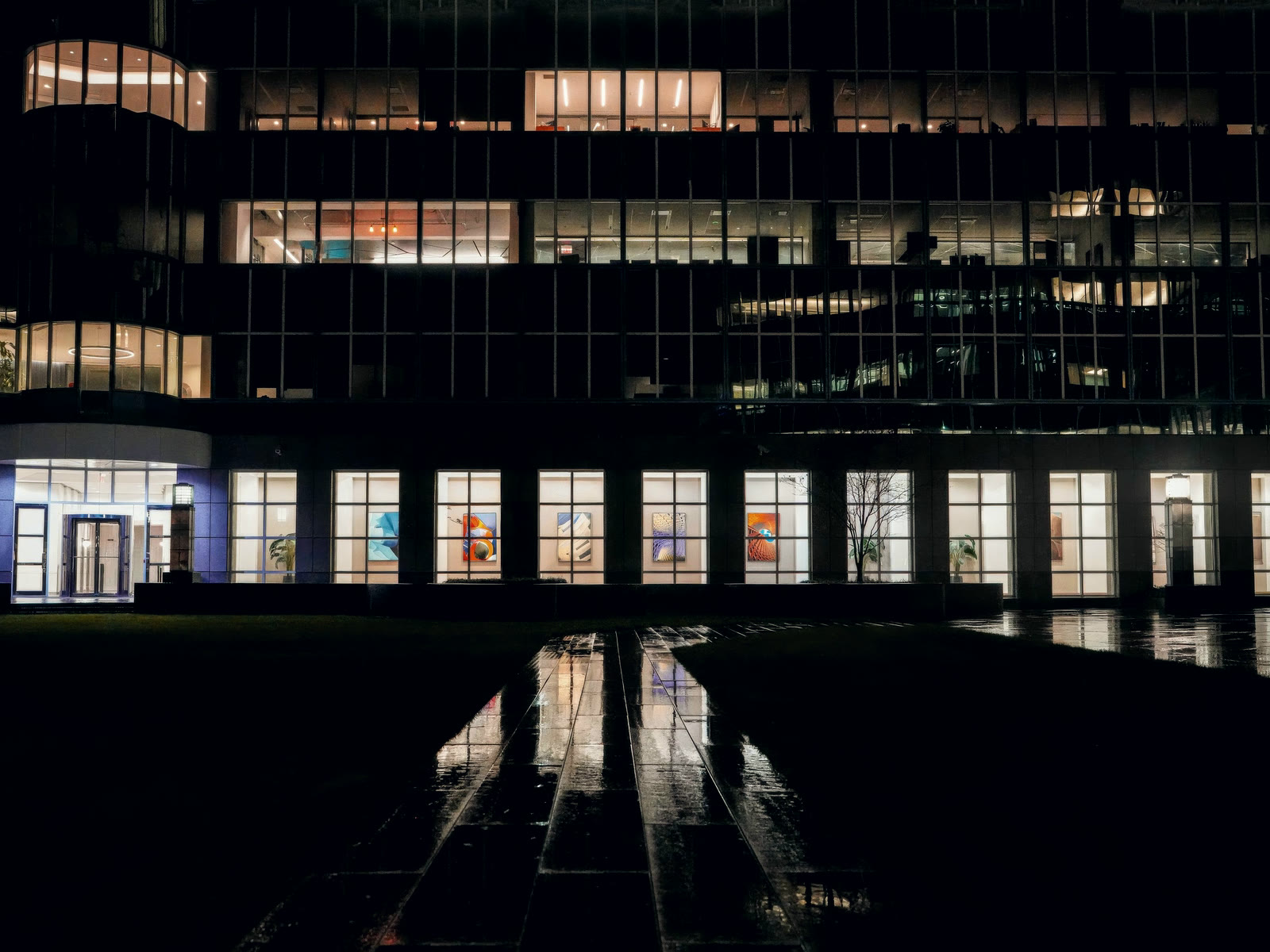
A two-storey commercial building at night, lit windows above a wet, empty forecourt
Commercial Property & Plazas

Security for a property where
nobody agrees whose job it is.

Cameras the property manager controls, credentials that change the day a tenant does, and operators watching the lot after the last one leaves. One contract, one contact, one report.

What the numbers say

The lot sees more crime
than almost anywhere else.

Break-ins get the budget. But parking lots and garages outscore almost every other location type the FBI tracks, and damage to property runs close to three times the break-and-enter count. On a multi-tenant property the money goes on the doors, and the loss comes off the ground nobody owns.

Canada · 2025

0down 11% on 2024

break and enter incidents police recorded across Canada in 2025 — a rate 41% below 2015, and lower in every province and territory.

Statistics Canada · 2025

0same year

mischief incidents — damage to property of any kind, nearly three times the break-and-enter count.

Statistics Canada · 2025

United States · 2025

0non-residential

burglaries of stores, offices and other non-residential premises reported to U.S. police in 2025, down from 376,639 the year before.

FBI · CIUS table 7

0parking lots & garages

offences recorded in parking lots and garages by NIBRS-reporting agencies in 2025 — more than at almost any other location type they track.

FBI · NIBRS table 18

Canadian counts exactly as printed in table 5 of Statistics Canada's Police-reported crime statistics in Canada, 2025 (22 July 2026); neither Canadian count separates business premises from homes. U.S. figures from the FBI's 2025 release (August 2026) via the Crime Data Explorer: non-residential burglary from table 7 (reported offences, not estimates); the parking-lot figure from NIBRS table 18, which counts what participating agencies recorded at that location type — 321,439 thefts, 180,140 acts of vandalism and 118,305 vehicle thefts among them.

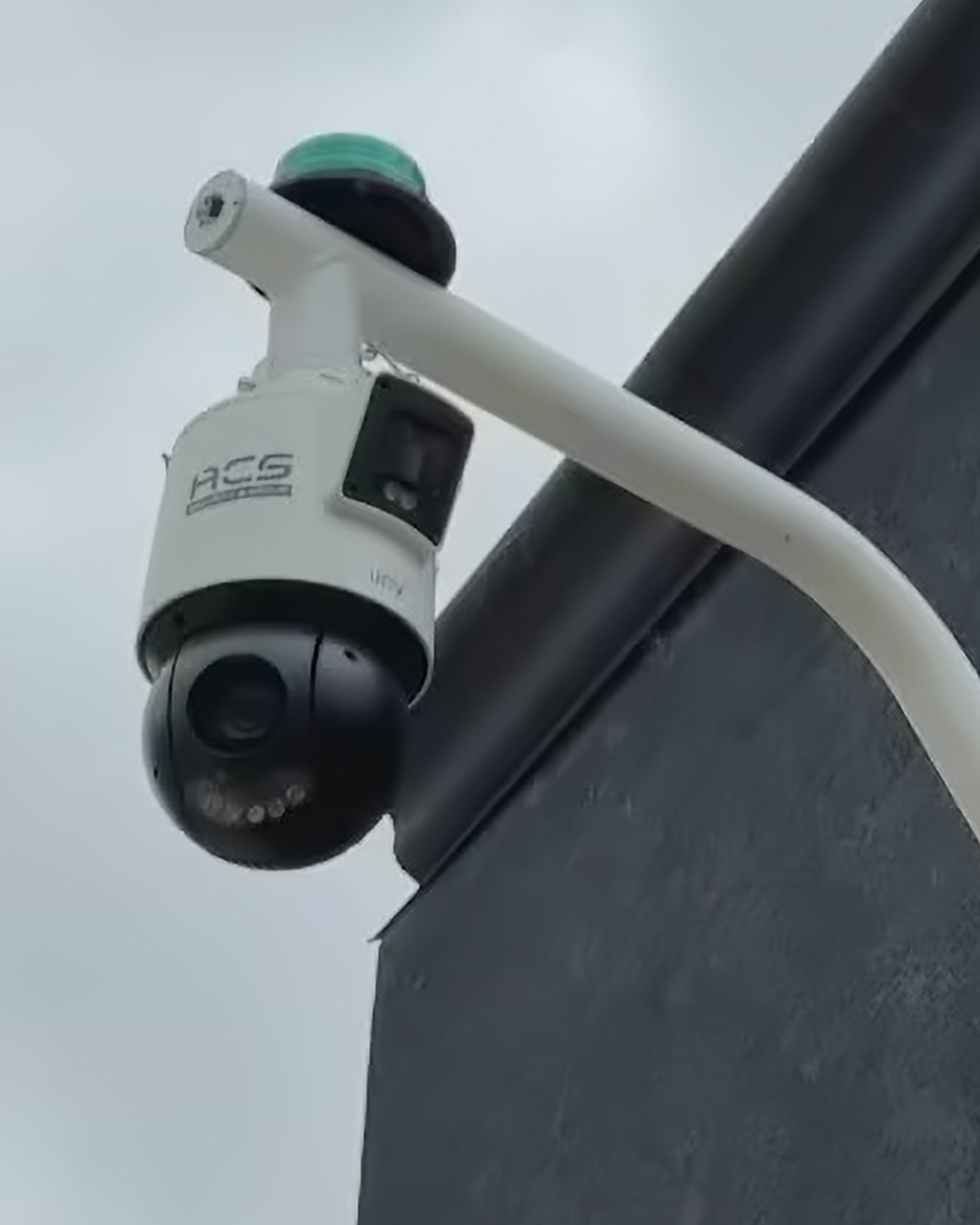
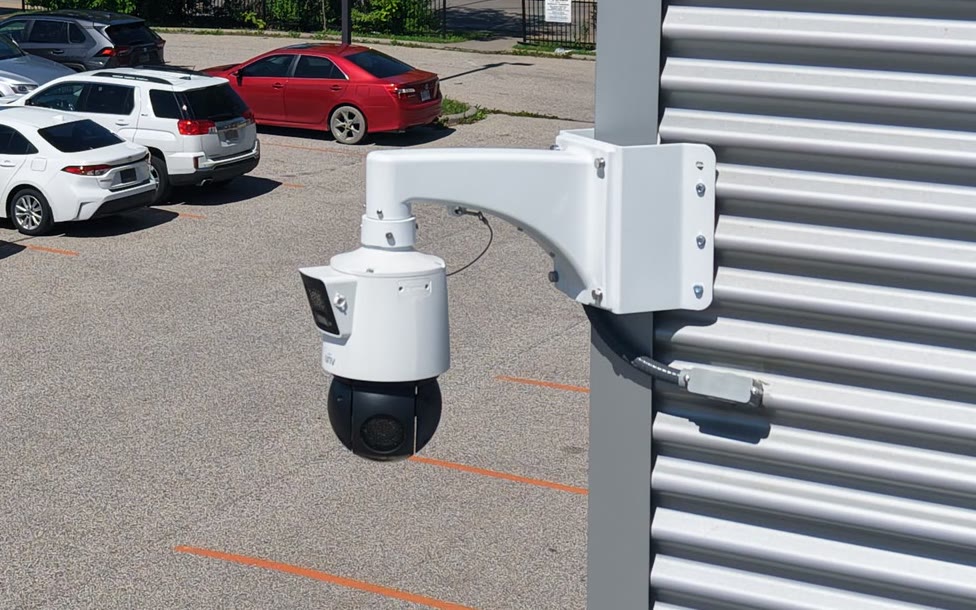
An ACS-branded pan-tilt-zoom camera and strobe mounted on the corner of a commercial building
ACS camera and strobe · building corner
How it works

One camera position covers
what every tenant shares.

Tenants keep their own hours. The watch does not. Cameras and access control are held by the property manager — not by whichever tenant paid for a recorder — so the record covers the whole building and outlasts every lease in it.

  1. The entrances

    Every unit’s door on one system. When a tenant needs footage you export it — they do not hold the recorder, and they do not need a key to your building to get it.

  2. The common areas

    Lobbies, corridors and the loading bay: the parts of the property no single tenancy is responsible for, and where most of the disputes you get dragged into actually happen.

  3. The shared lot

    The most argued-over ground on a multi-tenant property. One elevated position settles who parked where, who was there at 2am, and whose contractor left the damage.

  4. The unit that just turned over

    Coverage does not change when a tenancy does. No re-quote, no re-install, and no gap between the day one lease ends and the next one starts.

Move-out week

Most access problems start
on a move-out day.

Keys do not come back. Codes get shared. Somebody props the dock door for the movers and nobody closes it. A turnover handled properly is the cheapest security work a property manager ever does.

  1. Notice

    List what that unit holds

    Nobody knows how many credentials a tenant has until they leave. The list is made now, not on the last day.

    • Credentials pulled by unit
    • Shared codes identified
  2. Last day

    Access ends at the hour on the lease

    The gap between the lease ending and access being revoked is where after-hours returns happen.

    • Revocation timed to the lease
    • Doors and gate re-coded
  3. Turnover

    The empty unit is still your problem

    An empty unit with a propped door is the way into every other unit in the building.

    • Vacant unit added to the night zone
    • Dock and service door armed
  4. New tenant

    Credentials against a named person

    A code handed over verbally is a code you cannot audit and cannot withdraw.

    • Named credentials, dated
    • Manager sees who holds what
What you get

What each part of the
program actually does.

The point of a property program is that one party is accountable for all of it. Here is what ACS puts where, and what each position is there to stop.

An ACS fixed camera mounted on a building wall Entrances and common areas

Commercial CCTV

Cameras the property manager controls rather than a tenant, with footage that can be pulled and handed over the same day.

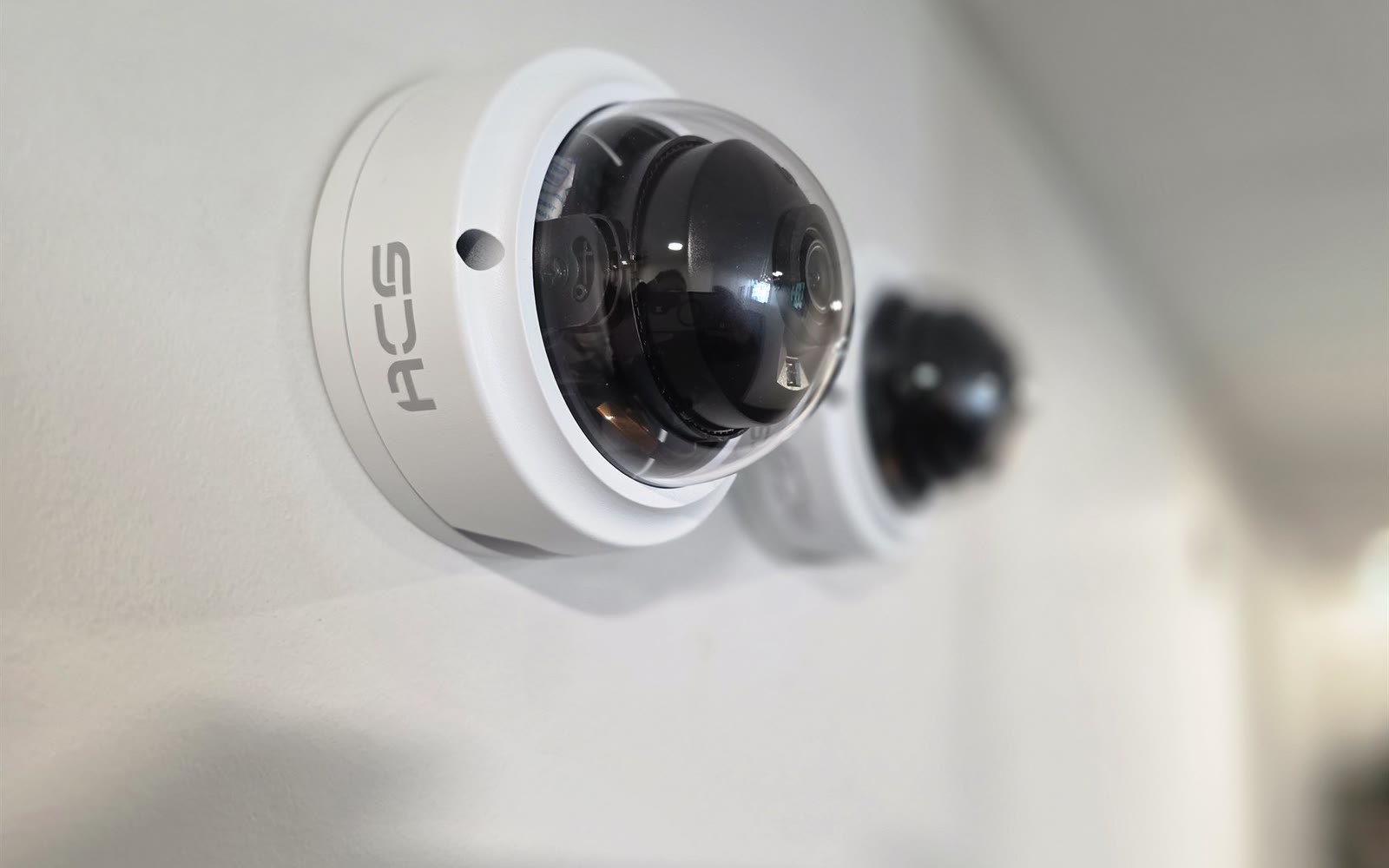
An ACS dome camera on an interior ceiling Every door, every credential

Access Control & Intercom

Who holds a credential, which door it opens and at what hours — changed the day a tenant changes, not the week after.

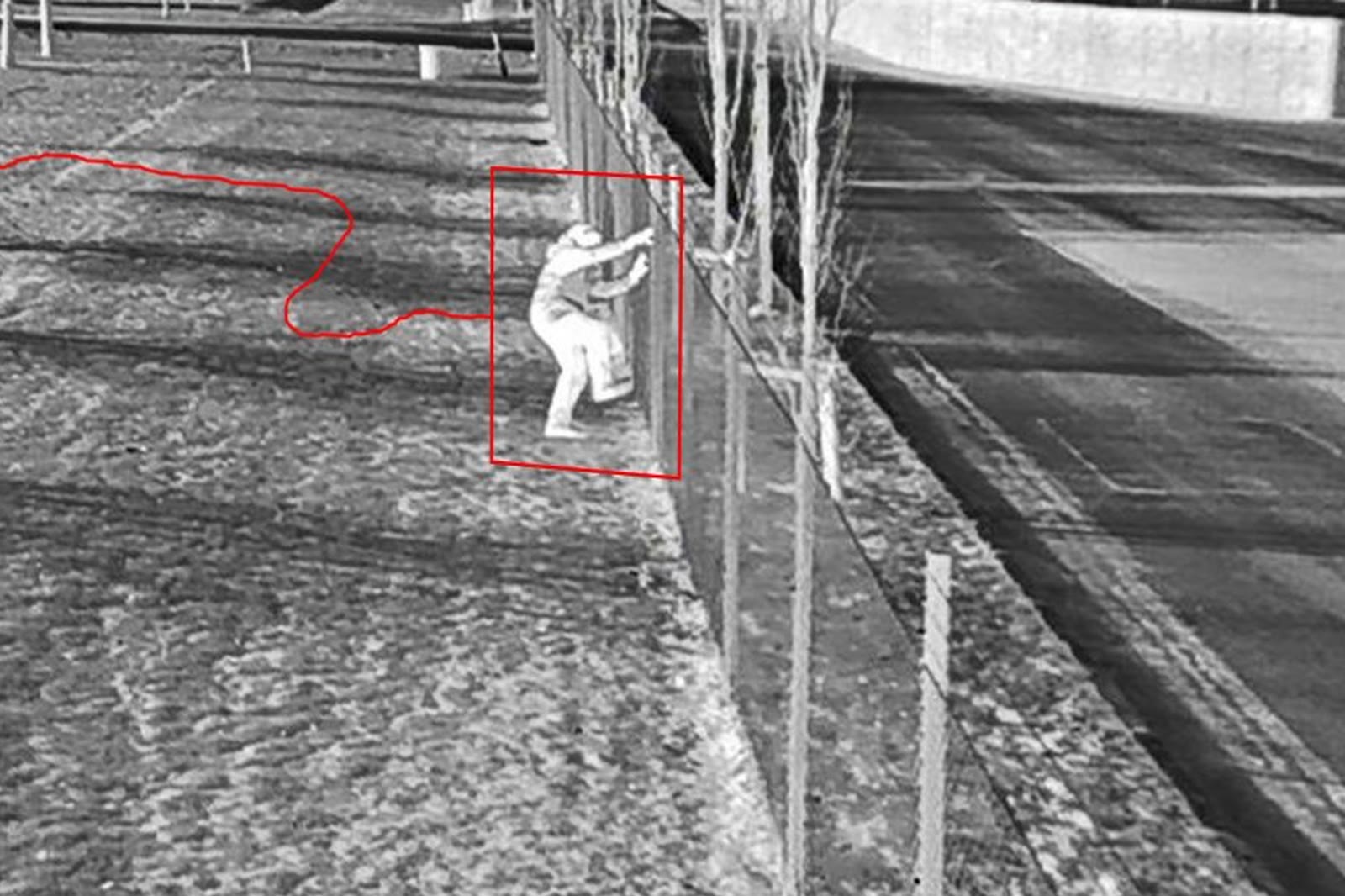
A thermal camera frame from an ACS site: a person at a fence, tracked and outlined After the last tenant leaves

Virtual Security Guard

Operators watch the entrances and the lot live and speak to anyone on the property once the building is empty.

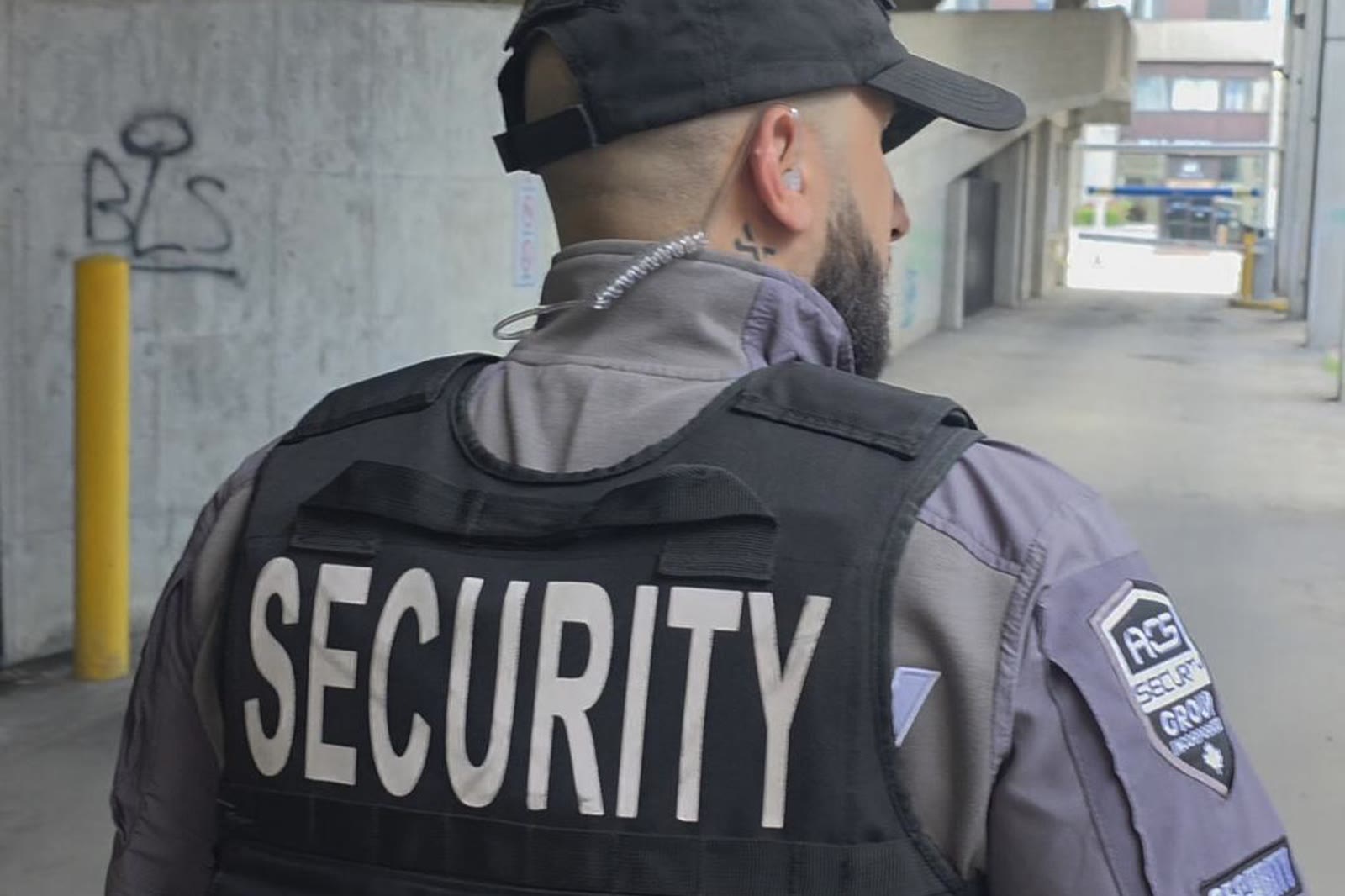
An ACS officer on foot outside a building When the property needs a person

Security Guard Services

A licensed officer for lobby coverage, move-ins, incidents and the nights a property needs somebody visible.

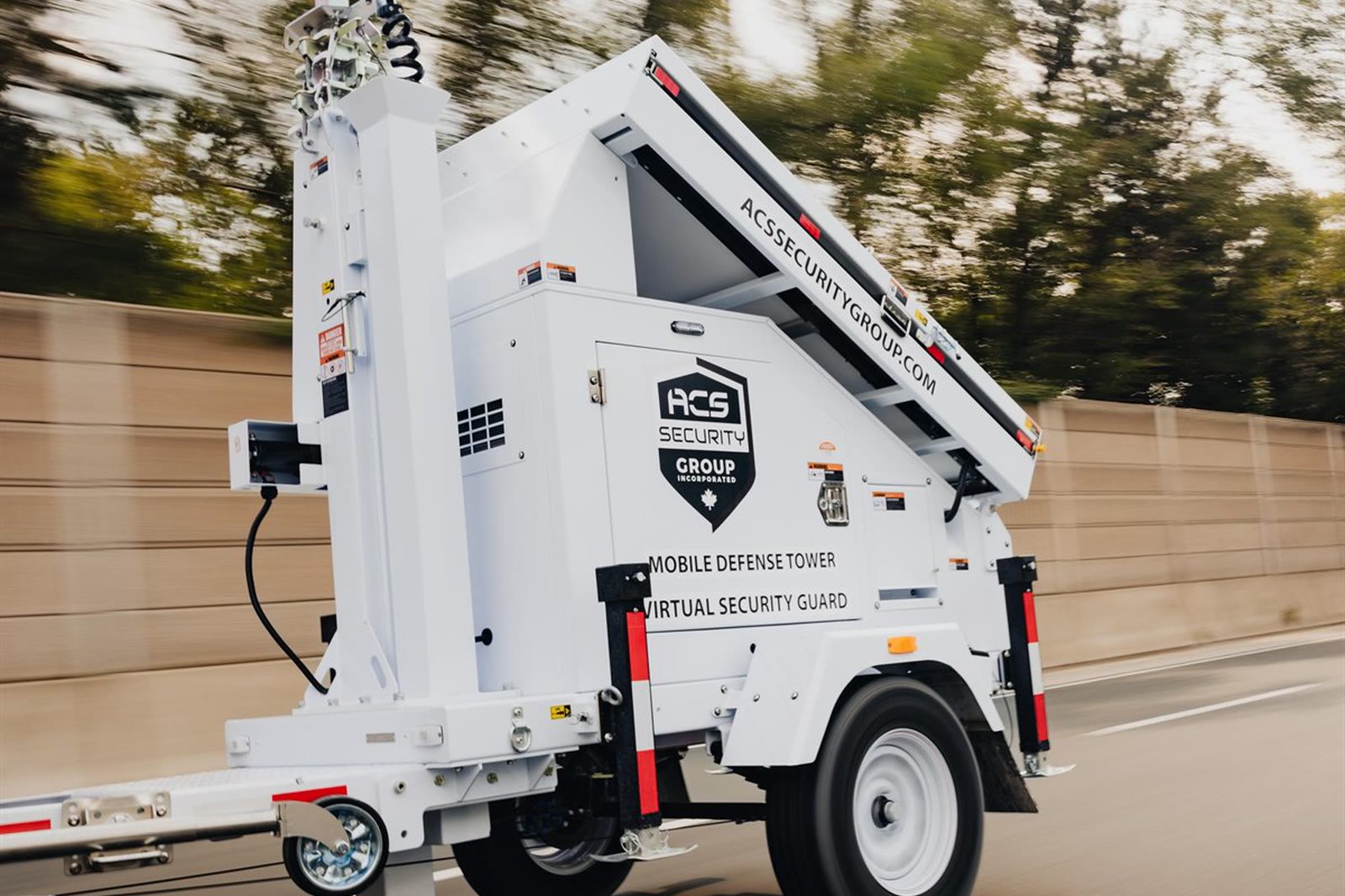
An ACS mobile tower being towed to a property Beyond the buildings

Mobile Defense Towers

An elevated camera over the lots, rear yards and outparcels — the ground beyond the buildings that no building-mounted camera holds. Towed in, raised, no trenching.

One contract, one point of contact, and a report the owner can read — see what an assessment covers

The equipment

What gets installed,
and who controls it.

A multi-tenant property needs coverage that one manager controls and that does not have to be renegotiated every time a unit changes hands.

  • An ACS pan-tilt-zoom camera on a building above a parking area
    Pan-tilt-zoom head Building corners and entrances

    Covers the approach, the doors and the lot from one position, and can be driven onto anything an operator wants a closer look at.

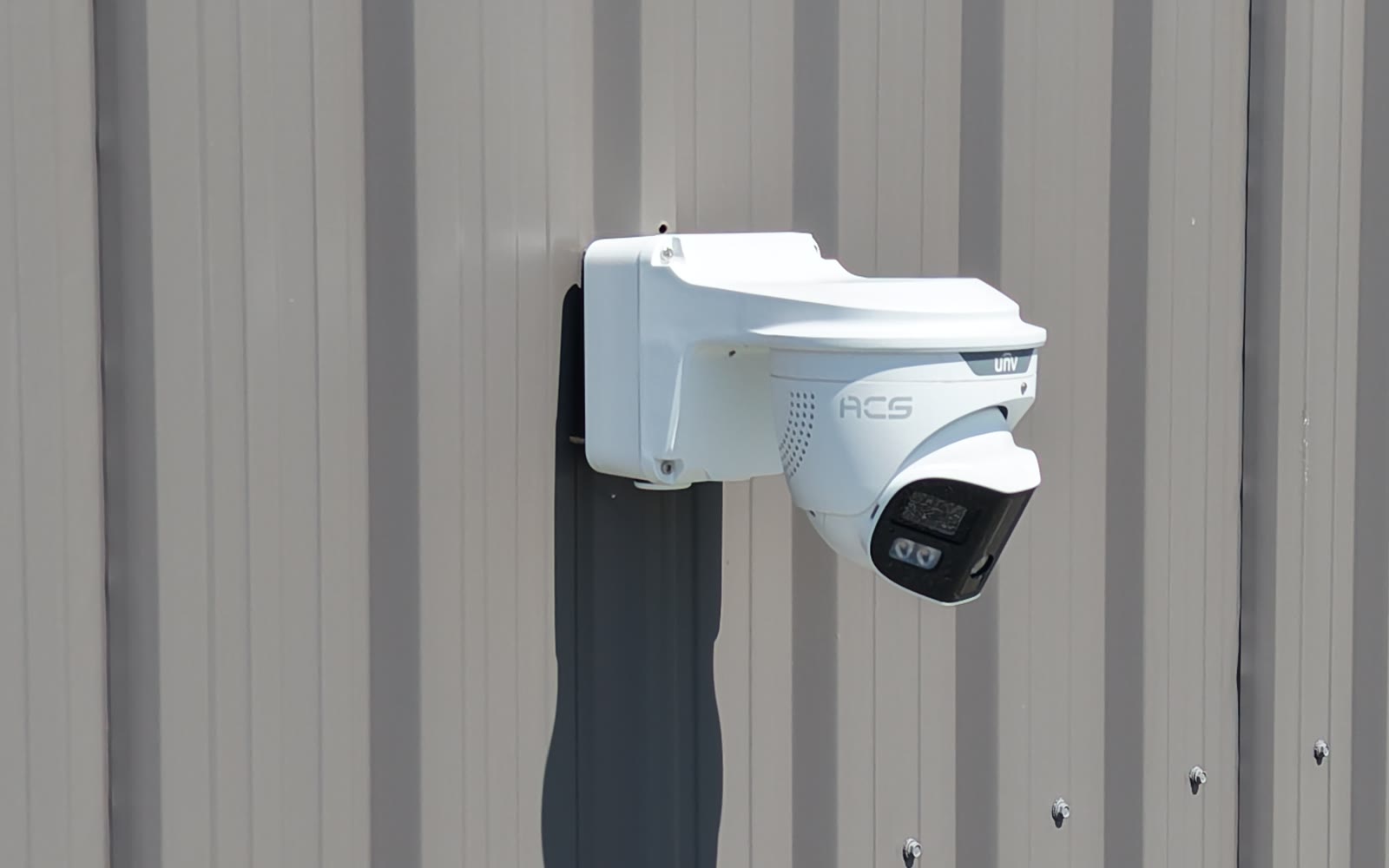
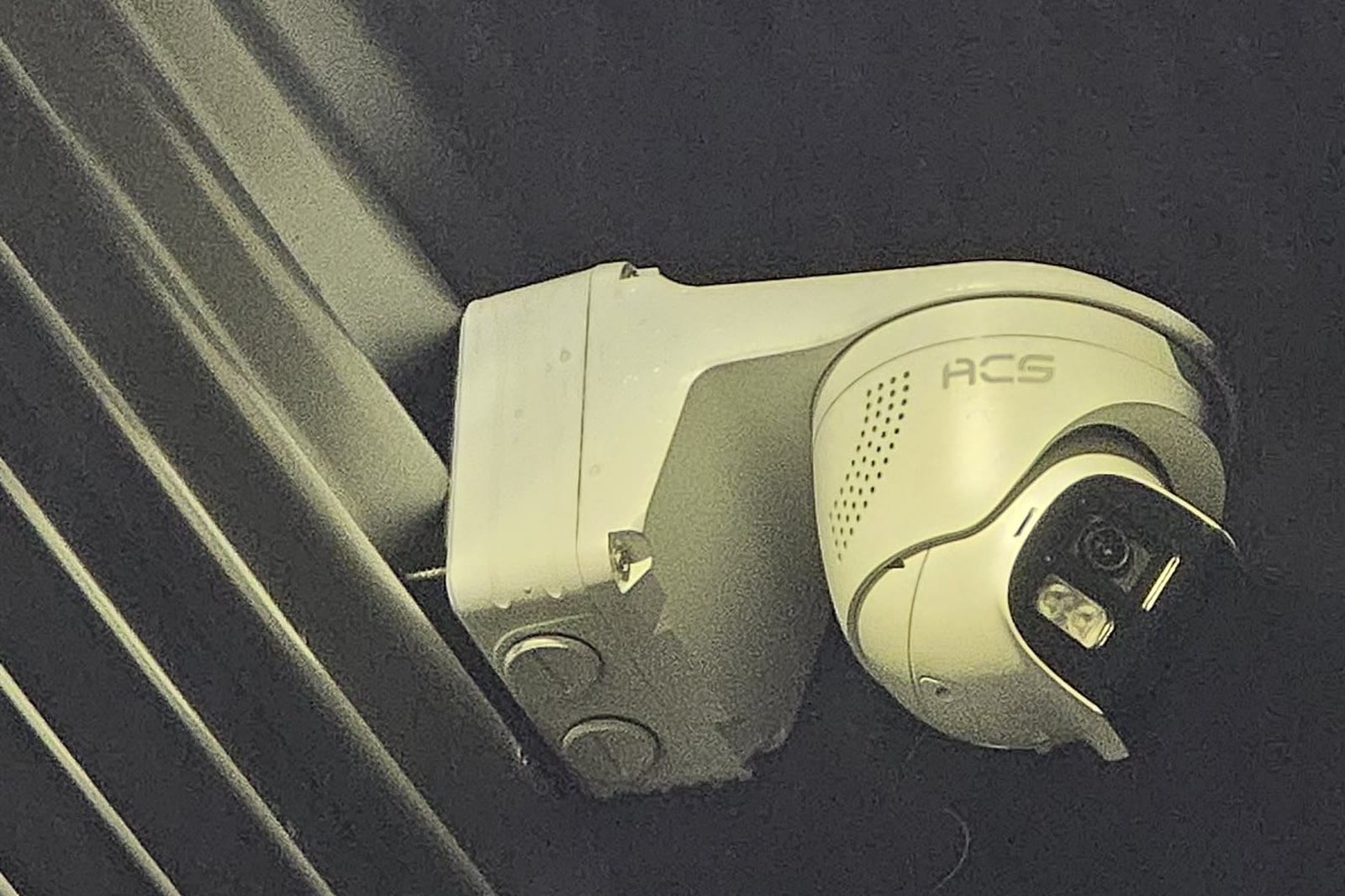
  • An ACS camera head mounted on a building, seen close
    Fixed cameras Doors, lobbies and common areas

    Continuous recording at the points every tenant shares — the record that settles a dispute between units, or with whoever came in off the street.

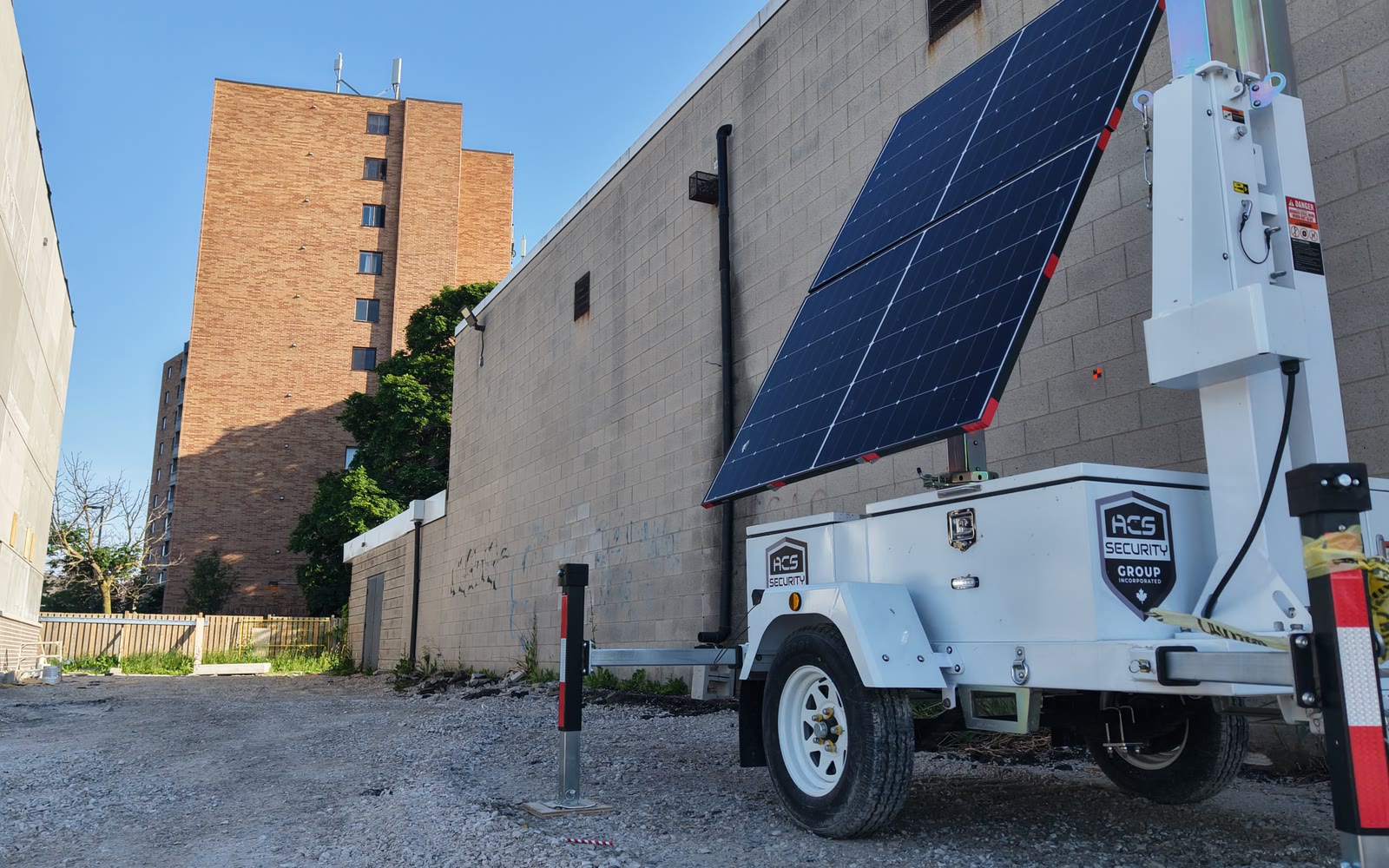
  • An ACS mobile tower parked beside a commercial building
    Mobile tower Beyond the buildings

    The parts of a commercial property with no power and no mounting point. Towed in, raised, and covering the dock and the bins without trenching a courtyard.

Have a turnover coming up? Ask how the access side is normally handled.

(519) 800-3947
Proof

An after-hours breach, handled live.

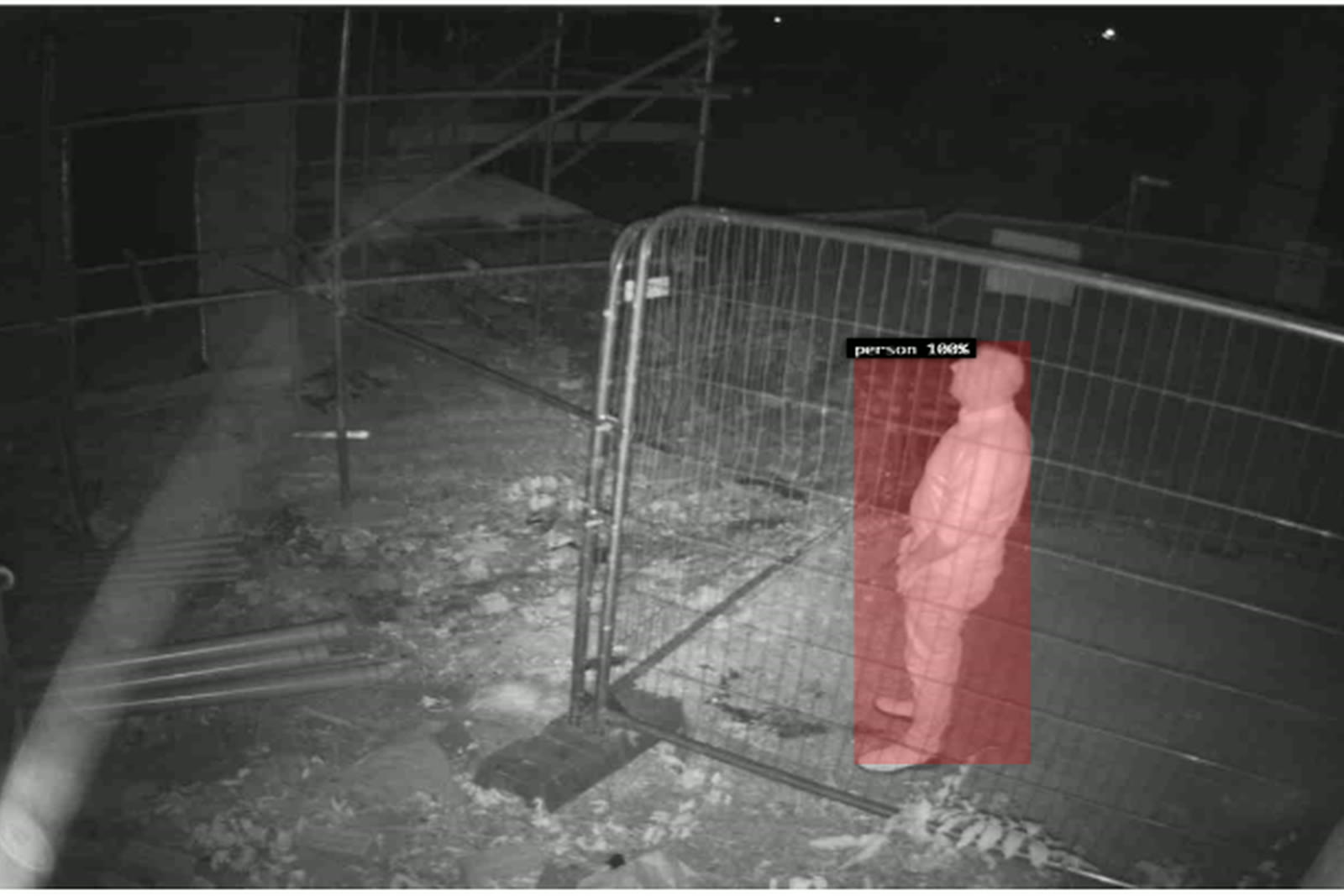
A night camera frame from an ACS site: a person standing at a site fence, boxed and labelled by the detection
Virtual intervention

After-hours perimeter breach

Problem: a person detected on a monitored site, well after close.

Plan: the AI detection was verified by a trained operator, who then spoke to the person live over the site audio.

Outcome: the person left the property, and the incident report was filed before morning.

Voice-downlive operator intervention
Read the perimeter breach case
FAQ

Common questions.

Yes. That is the point: one accountable program across the whole property instead of separate vendors per tenant, with a single point of contact for cameras, access control, guards and after-hours monitoring.

Yes. The cameras hold full colour in low light rather than washing out to infrared, so identifying detail survives across the lot and entrances after closing.

Live virtual monitoring. Trained operators watch the feeds in real time, verify alerts, speak down on site by audio and coordinate with law enforcement, around the clock and without a guard posted on site. Mobile patrol and alarm response can add an officer who attends in person.

For large lots and open perimeters, mobile defense towers go in with no permanent install. They carry pan-tilt-zoom cameras, sirens and lights for active deterrence, with live monitoring available on every unit.

Yes. Playback is evidence-ready and exportable, and AI detection pinpoints the moment and location of an alert so there is less footage to scrub through when a tenant, insurer or investigator needs it.

Every guard is individually licensed under Ontario's PSISA and screened before representing ACS, and every contract carries comprehensive general liability coverage.

Wondering what it costs? What security guards cost in Ontario. Question not covered here? Call (519) 800-3947 and talk to the team that runs the coverage.

Let's secure
your property.

  1. Tell us about the siteSend the short form, or call (519) 800-3947.
  2. A coordinator follows upBy phone or email, to book your walkthrough.
  3. Your free assessmentLayout, access points, high-risk hours and the coverage that fits.