
Access, cameras and a live watch
Recording isn't preventing. ACS positions cameras and controlled access to deter before an incident. Live operators verify and intervene instead of documenting after the fact.
Named credentials on every controlled door, cameras on the areas the rules name, footage kept for the period required, and operators watching while the site is closed.
For cannabis the record that matters is written down twice — once in the federal regulations for licensed producers, once in the provincial standards for stores. Read plainly, both are monitoring requirements.
Federal licence · Cannabis Regulations
At all timess. 64 and s. 70
the perimeter of a licensed site must be monitored by visual recording devices able to record any attempted or actual unauthorized access — operations and storage areas the same way, to detect illicit conduct.
Cannabis Regulations · SOR/2018-1441 years. 73
is the minimum a federal licence holder must keep those recordings; the written record of an intrusion-detection occurrence is kept two.
Cannabis Regulations · SOR/2018-144Ontario retail · AGCO standards
At all timesstandard 2.1
a secure, high-resolution surveillance system must be in place, covering entrances, point-of-sale, storage, receiving and the sales floor.
AGCO · registrar's standards30 daysstandard 2.1
is the minimum an Ontario store must retain its video — and it has to be available to the AGCO on request.
AGCO · registrar's standardsFederal requirements quoted from the Cannabis Regulations (SOR/2018-144), sections 62 to 73 — section 62 applies them to standard cultivation, standard processing, sale that authorizes possession, and larger cannabis drug licences, not to retail stores. Ontario stores answer to standard 2.1 of the AGCO's Registrar's Standards for Cannabis Retail Stores. Other provinces set their own conditions. This is a plain reading of both, not legal advice.
The regulations name the areas; the coverage traces them. This is a licensed site the way ACS lays it out — the perimeter ring, the controlled rooms, and the record that has to exist afterwards.
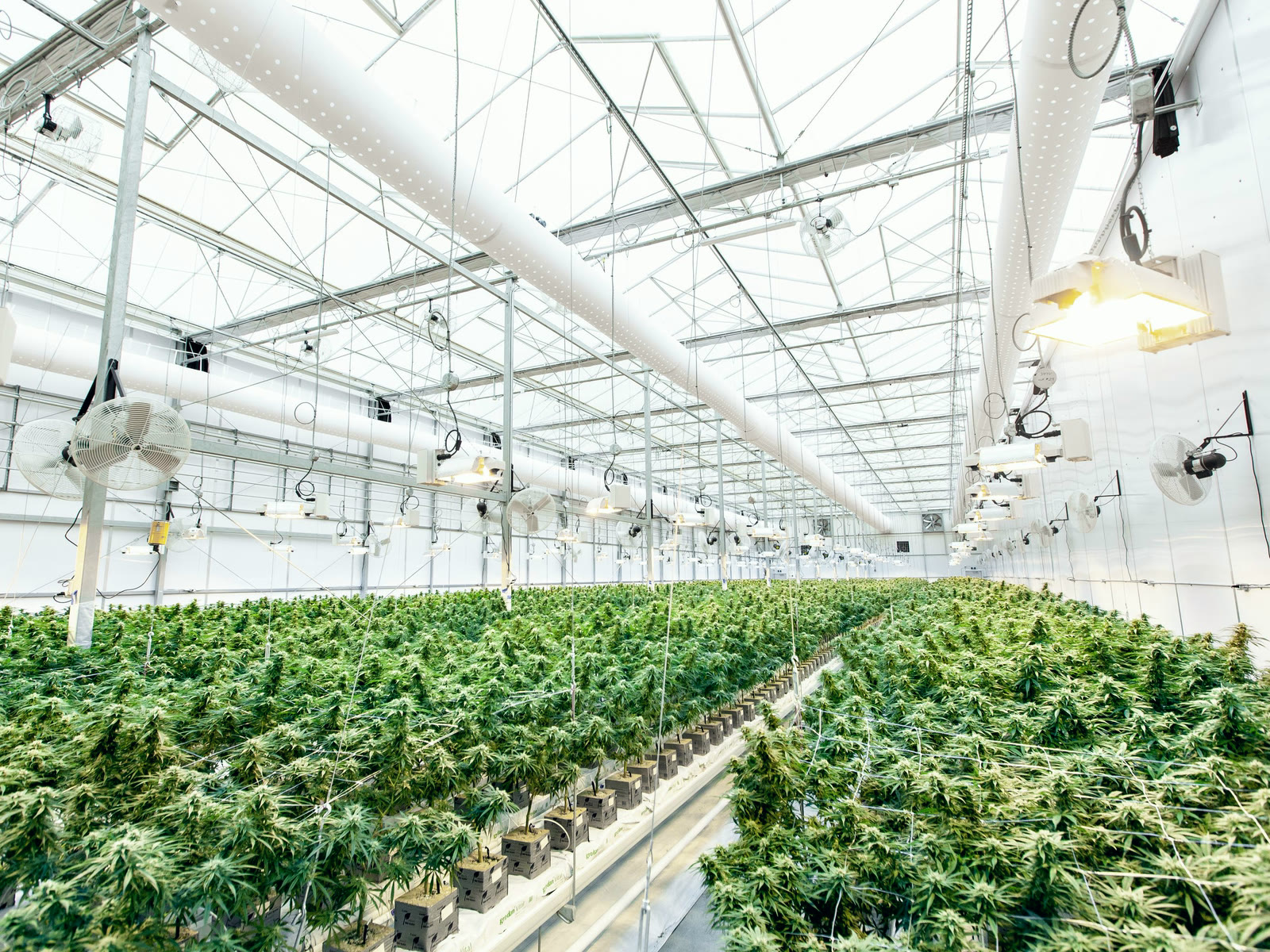
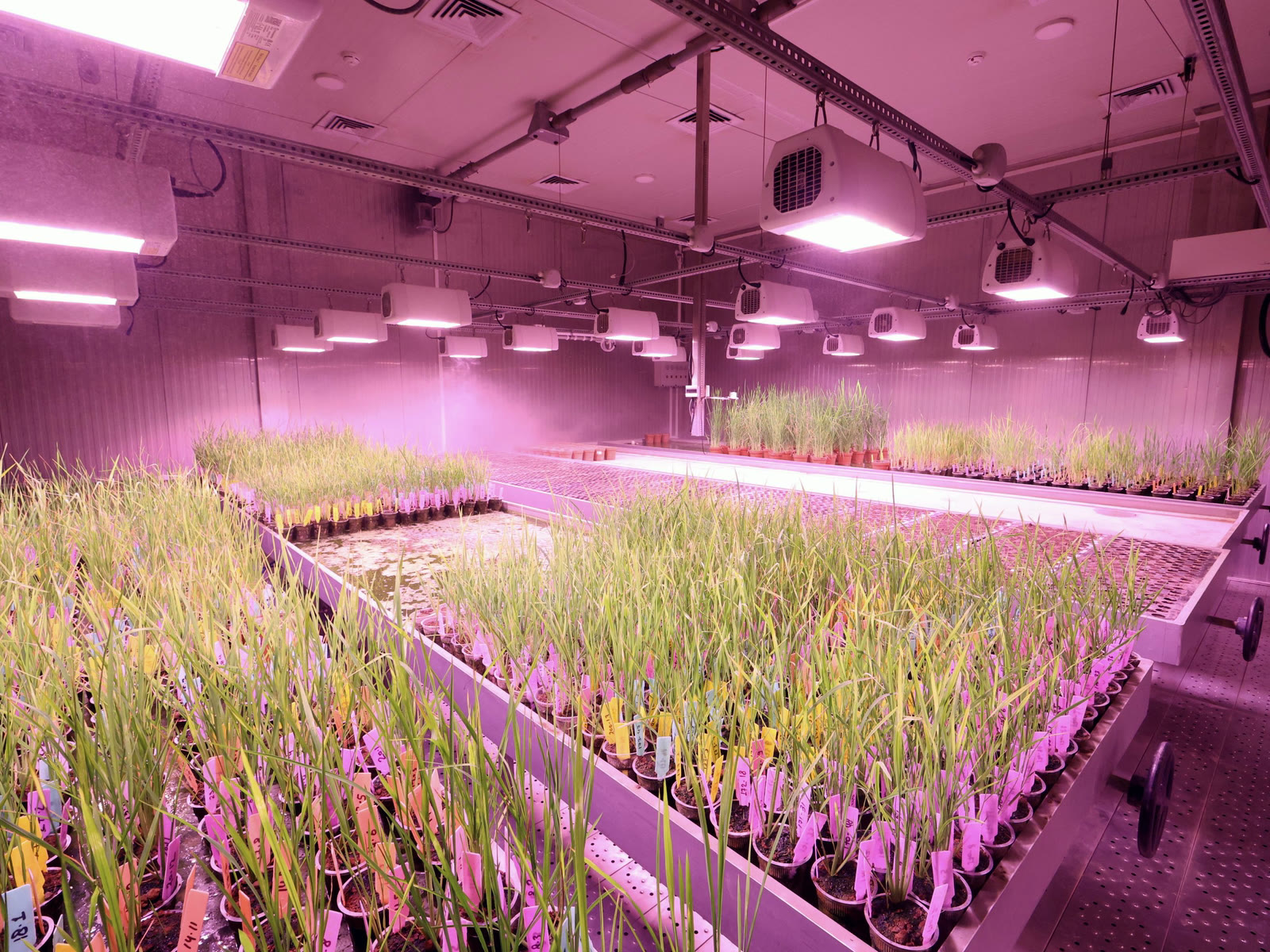
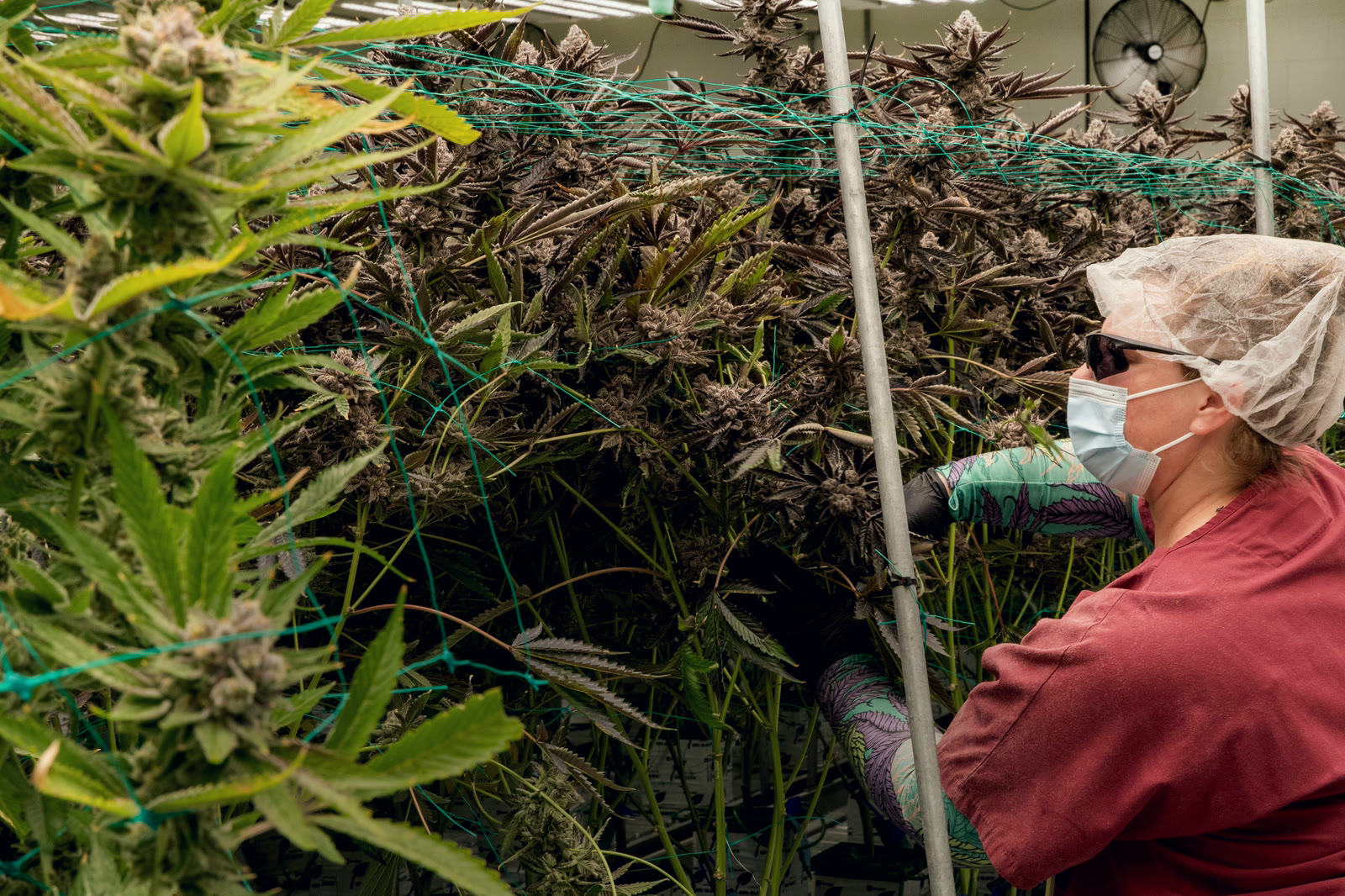
A licensed cultivation room — the areas the regulations name, recorded continuously, with entry restricted to the people whose duties require it.
Federal licence holders are built to the Cannabis Regulations; Ontario retail stores are built to the AGCO’s standards. Both get audited. A system designed from the regulation answers an audit in minutes instead of days.
Section 64(1) requires visual recording devices monitoring the perimeter of the site to detect attempted or actual unauthorised access. In practice that means the fence line and every approach to it, covered continuously — not a camera pointed at a gate during business hours.
Cannabis Regulations (SOR/2018-144), s. 64(1)Section 70(1) extends the same requirement inside: each operations area and each storage area monitored at all times by visual recording devices, to detect illicit conduct. Rooms get cameras because the regulation names the room, not because a run of conduit was convenient.
Cannabis Regulations (SOR/2018-144), s. 70(1)Section 68(1) restricts access to each operations and storage area to individuals whose presence is required by their duties, and section 69 requires a physical barrier around it. Credentials are issued per area and per person, so the access log and the footage tell the same story.
Cannabis Regulations (SOR/2018-144), ss. 68(1), 69Section 71(1) requires an intrusion detection system operating at all times, detecting unauthorised access, unauthorised movement within the area, and tampering with the system itself. Detection and recording are separate obligations and are built separately.
Cannabis Regulations (SOR/2018-144), s. 71(1)A store is not a licensed production site. Ontario stores are built to the AGCO’s Registrar’s Standards for Cannabis Retail Stores — which is why a retail design and a production design should not look the same, and why the same integrator should be able to explain both.
AGCO Registrar’s Standards for Cannabis Retail StoresThe requirements name monitoring, controlled access and retention. Here is what ACS puts where, and which requirement each position answers.
Named credentials on storage and production areas, and a record of who entered and when that stands up to being asked for.
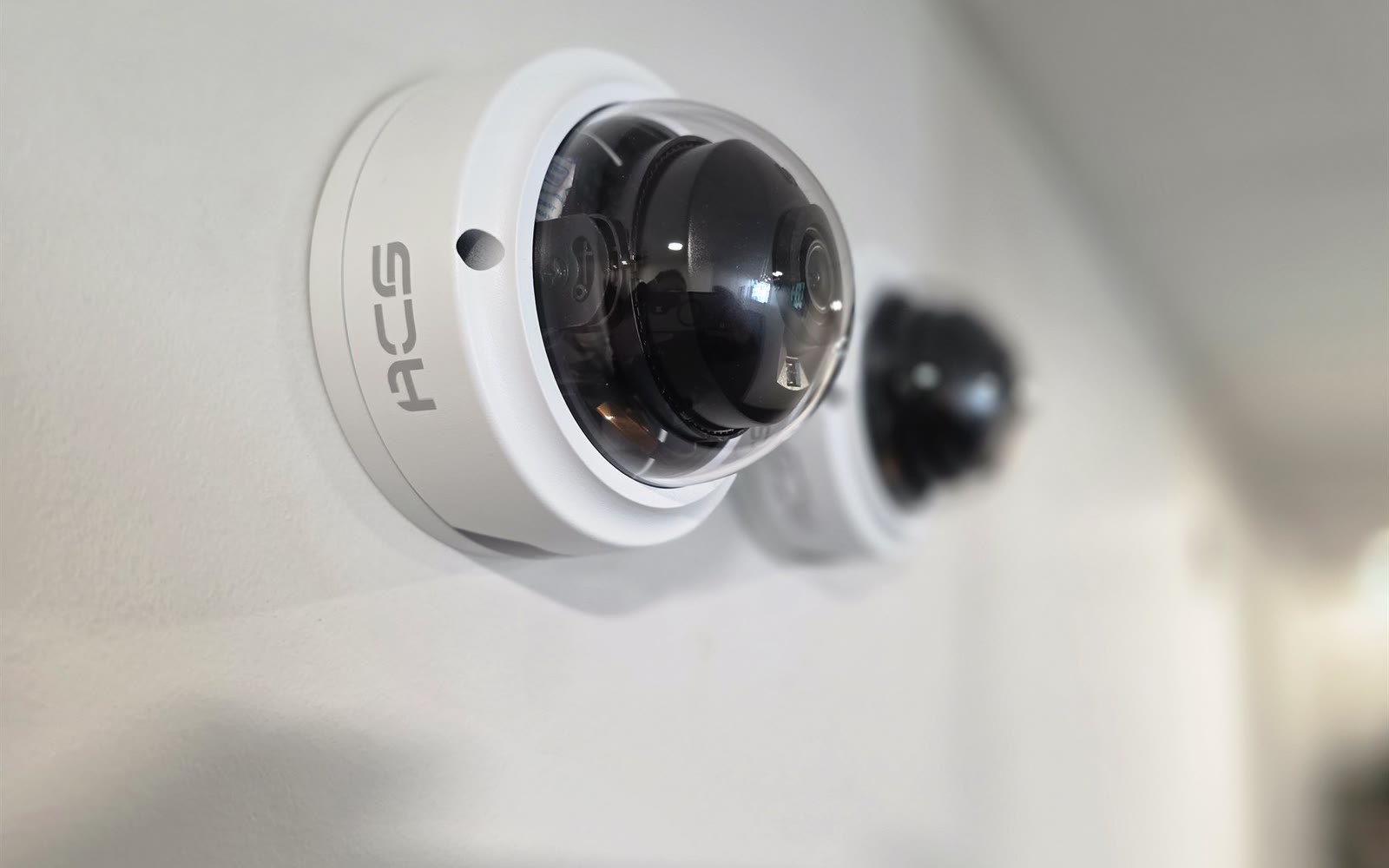
Cameras positioned for the areas the rules name, recording continuously and retained for the period required.
Operators watching the outside of the site live — the fence line, the approaches and the doors — so an attempt is answered while it is still outside the building.
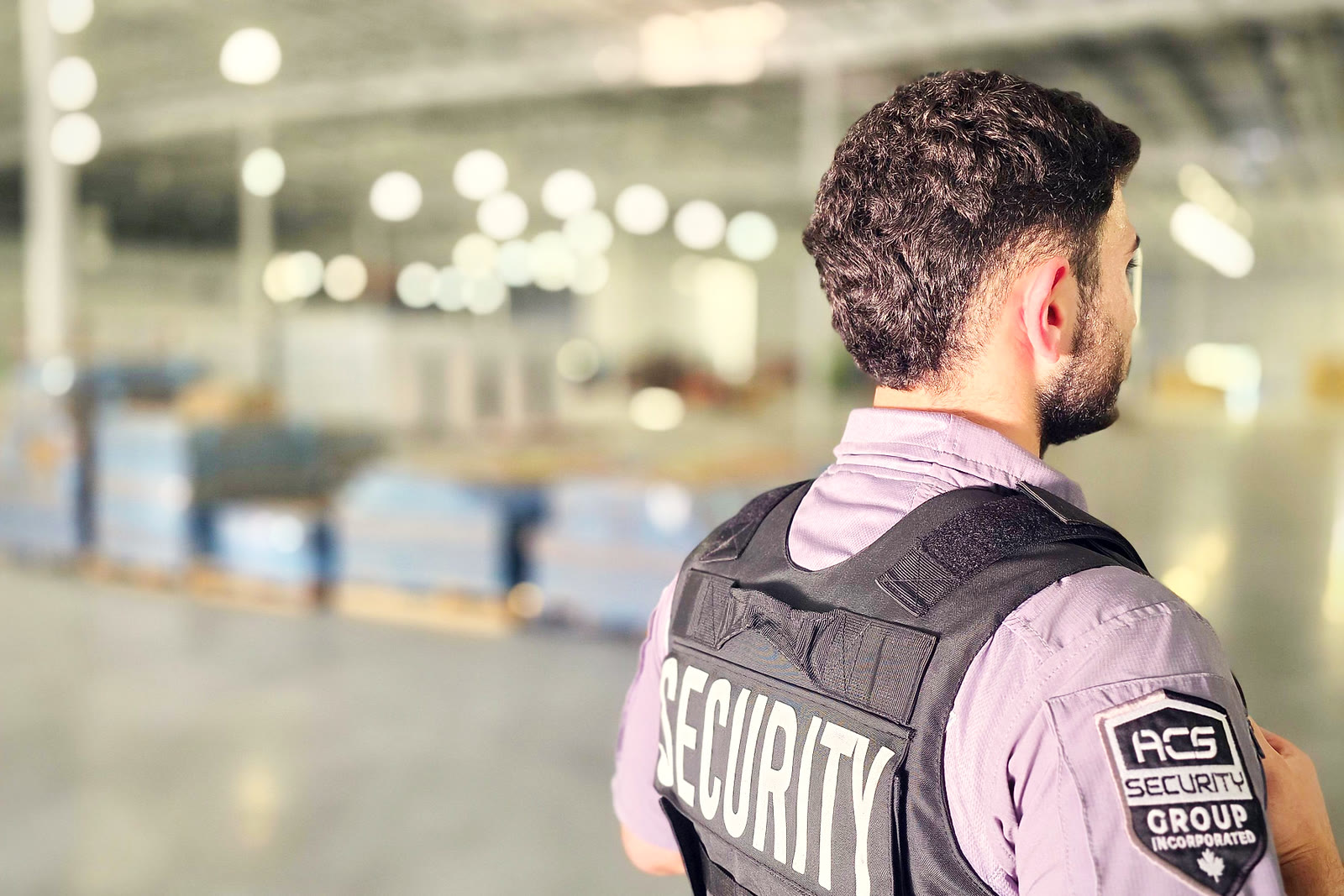
A licensed officer for stock arrivals, cash handling and the hours a retail floor needs somebody present.
Requirements differ between a federal licence and a provincial store licence, and the design follows whichever applies to you — see what an assessment covers
On a licensed site every device should be traceable to a requirement. These are the three that carry most of it.
Continuous coverage of the rooms the regulations name, placed to see the work rather than the ceiling above it.
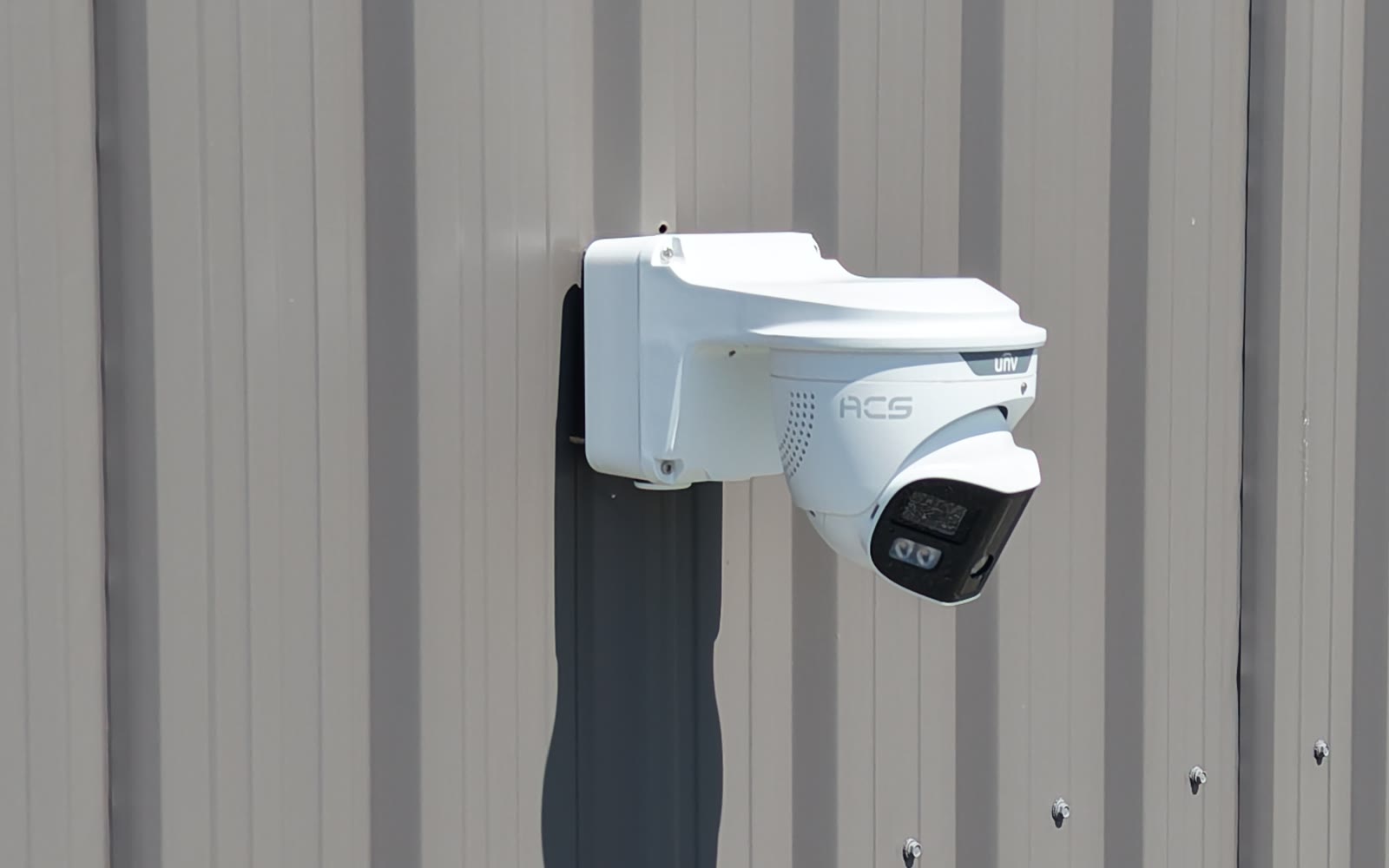
The perimeter requirement is a monitoring requirement, not a fence requirement. This is what covers every approach to the site, continuously.
Someone at the point where product and people cross the boundary, checking what the system records against what was supposed to happen.
Building to the regulations or fixing a system that was not? Ask an operator.
(519) 800-3947
Recording isn't preventing. ACS positions cameras and controlled access to deter before an incident. Live operators verify and intervene instead of documenting after the fact.
Yes. Access control and video intercom hold the doors and gates with mobile credentials and video-verified entry. Every access event is paired with video in one searchable log: who entered, where, when and on which credential.
Yes. Controlled facilities get restricted-area scheduling and detailed entry records, designed around the site's compliance requirements.
Live operators, not an automated buzzer. After-hours intercom is answered by trained people who verify the request on video before anything opens, and the event is logged.
The cameras record full-colour day and night, true colour in low light rather than washed-out IR, so identifying detail survives over the floor, storage and back doors. Playback is clean and exportable when you need it as evidence.
Yes. Live virtual monitoring keeps watching after hours. AI flags activity and a trained operator verifies it, then voices down on site to deter and coordinates with police. It runs around the clock without staffing a guard on site overnight.
Every guard is individually licensed under Ontario's PSISA and screened before representing ACS. Operations carry comprehensive general liability coverage.
Yes. ACS delivers access control, CCTV, live virtual monitoring and guards as one accountable program. The layers are assessed together so they work as one, not as separate vendors.
Question not covered here? Call (519) 800-3947 and talk to the team that runs the coverage.