Results About Careers Contact Law Enforcement Video Request
Virtual Client Sign-in Guard Client Sign-in Request a Free Security Assessment (519) 800-3947
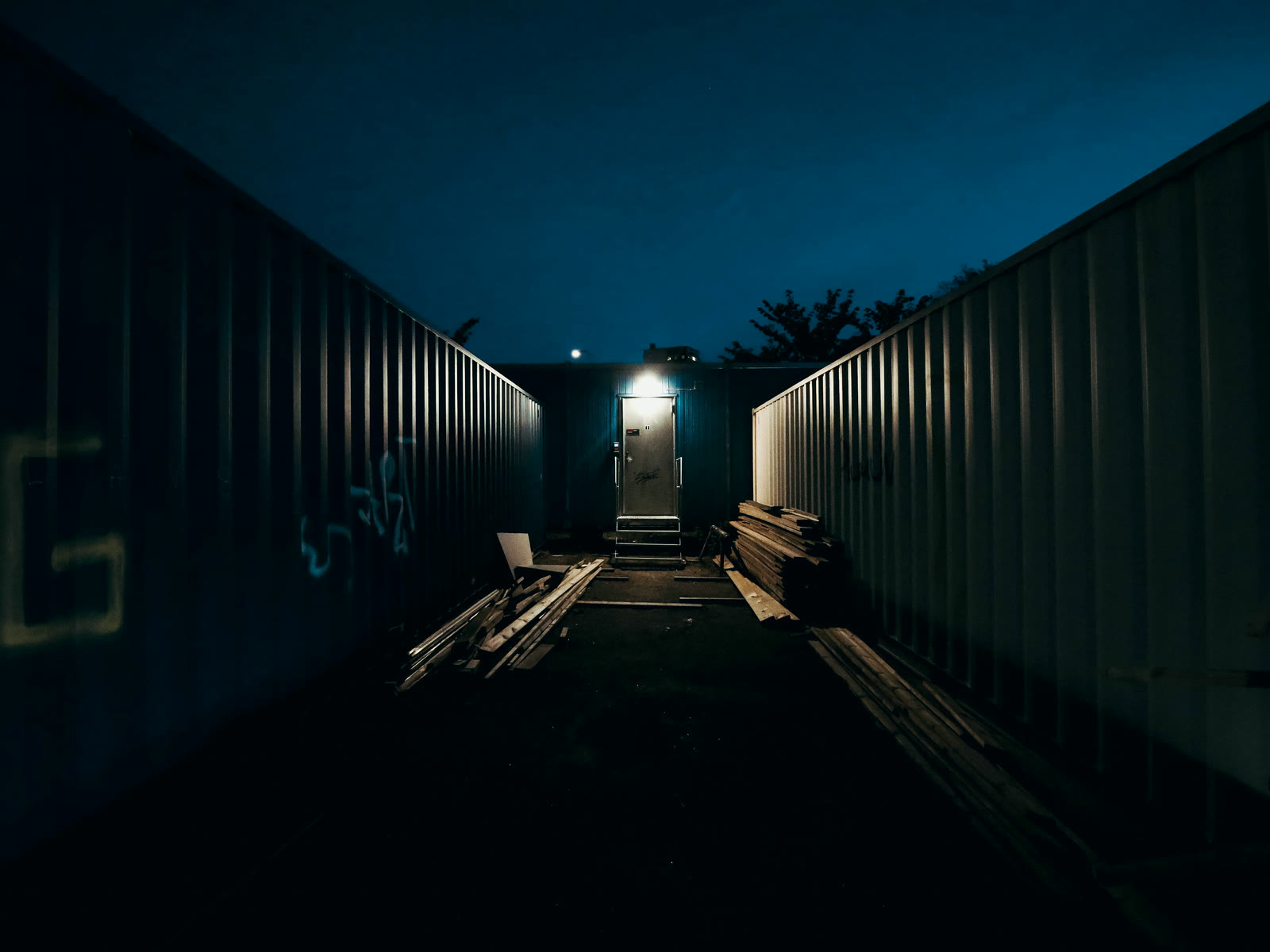
A corridor between two rows of shipping containers at night, one lamp lit at the far end
Industrial, Yards & Logistics

Yard security that sees
the whole fence line.

Loaded trailers, fuel, equipment and stock sit outside overnight behind a line no single post can watch. ACS covers it with elevated cameras, live operators, gate control and officers on the ground.

What the numbers say

Cargo theft does not
stop at your fence.

Freight crime does not stop at the border, and neither do the people who track it. The insurers' counts are floors, not totals: a load that is never claimed is never counted.

Canada · Équité Association

$531M2019–2023

in trucks, trailers and cargo loads stolen across Canada over five years — $239 million of it never recovered.

Équité Association · cargo report

4 of 5top hotspots

of Canada's top cargo-theft hotspots are in the Greater Toronto Area: Mississauga, Brampton, Vaughan and Toronto.

Équité Association · 2019–2023

U.S. & Canada · CargoNet

0up 18% on 2024

confirmed cargo thefts CargoNet recorded across the United States and Canada in 2025.

CargoNet · January 2026

$725Mup 60% on 2024

in estimated losses from those thefts — an average of $273,990 per theft.

CargoNet · January 2026

Canadian five-year totals from Équité Association's Cargo & Heavy Equipment Theft Trend Report (June 2024), compiled from insurer and law-enforcement data. The second column is Verisk CargoNet's 2025 analysis (21 January 2026), which covers the United States and Canada together — its figures overlap the first column and the two are never added. CargoNet recorded 3,594 supply-chain crime events in all; the 2,646 are the confirmed cargo thefts among them.

How it works

One mast covers ground
a row of cameras cannot.

A recording tells you which trailer left. An ACS operator speaks while it is still hooked. This is the yard the way the operations centre sees it.

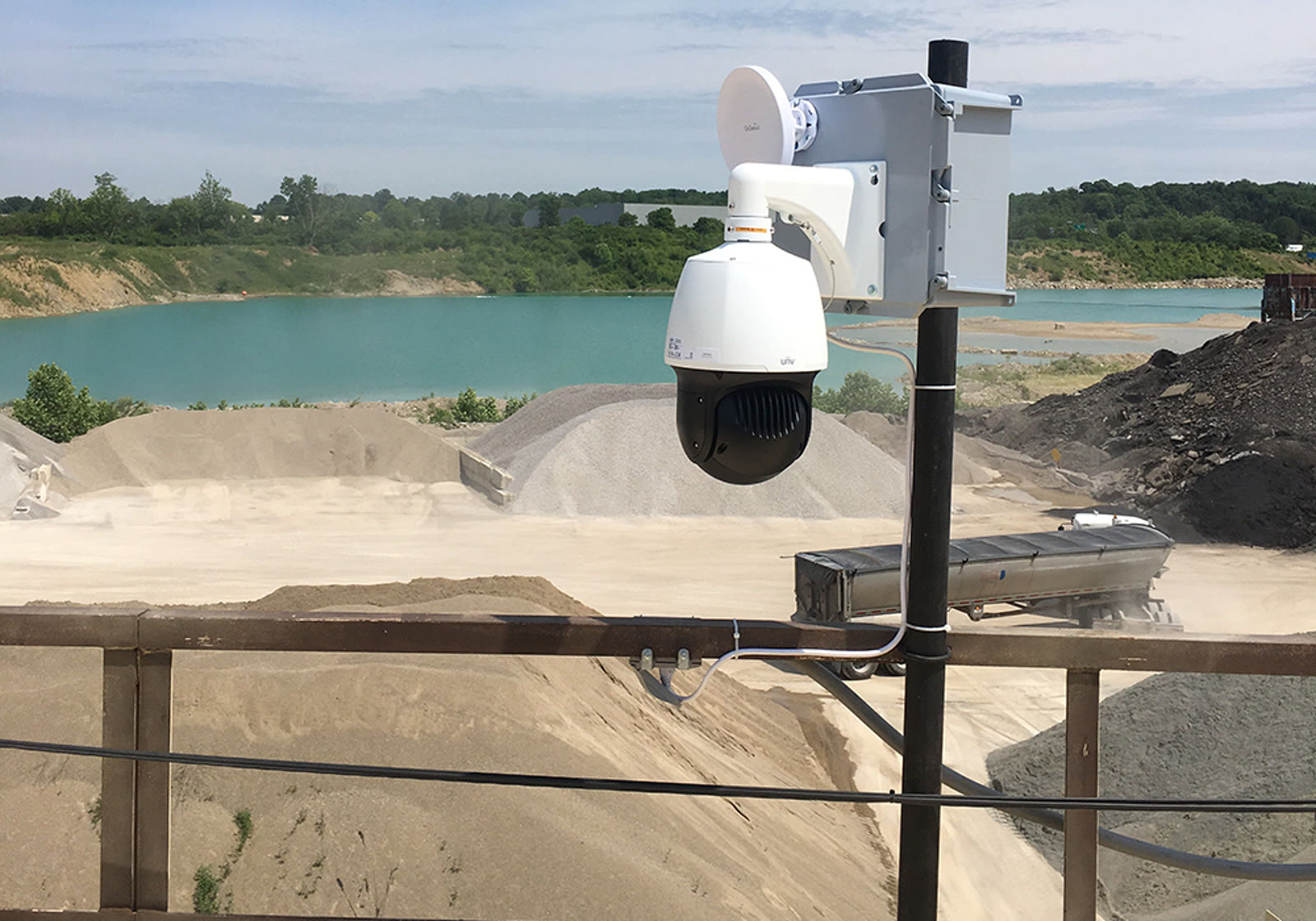
An ACS pan-tilt-zoom camera on a mast overlooking an aggregate yard, stockpiles and a conveyor behind it

An ACS camera on a mast over a working yard — the stockpiles, the haul road and the plant, held from one position instead of a row of cameras on a fence.

How a yard is actually entered

Five ways in.
A fence answers one of them.

Yards are lost at the edges and at the gate, almost never in the middle. Each of these is a different problem and needs a different answer — which is why a single line of fence and a sign is not a security program.

  1. Over the fence, at the corner nobody drives past

    Every yard has a side that faces a rail line, a ditch or another yard. It is cut or climbed there because nothing overlooks it. An elevated camera position sees the corner a building-mounted camera never will, and a line-cross rule puts an operator on it while the person is still on the wrong side.

  2. Through the gate, behind a truck

    Tailgating is the most common unauthorised entry on a working site and the hardest to prove afterwards. Gate coverage that records every vehicle and every person crossing in either direction turns a dispute into a clip.

  3. In a vehicle that had a reason to be there

    A driver who is booked in at two is still on site at eight. Dwell rules — not motion — are what separate a normal movement from a vehicle that has stopped somewhere it has no business stopping.

  4. By someone who never left at close

    The quiet version: a person waits out the shift change inside the fence. A close-of-day sweep and an armed ground zone mean the first movement after close is treated as an intrusion, not as staff.

  5. Driven out the front, in daylight

    Trailers, containers and plant leave on wheels. Object-removed rules on the line, and a record of what crossed the boundary and when, is the only thing that makes this recoverable.

What you get

What we put on the yard,
and what each part stops.

A yard is too big for one camera and too valuable to leave to a recording. Here is what ACS puts where, and what each position is there to stop.

Over the yard

Mobile Defense Towers

A 25-ft mast sees across the stock, the trailers and the fence line at once, and moves when the yard is re-laid.

Live, through the night

Virtual Security Guard

An operator speaks to whoever is in the yard over the site audio, rather than the footage being reviewed the next morning.

At the gate

Access Control & Intercom

Who came in, on whose credential and at what time — provable afterwards for every driver and every vehicle.

Docks, bays and stock

Commercial CCTV

Fixed cameras inside and on the dock faces, covering the hours the building empties and the cameras usually stop.

Alarms and scheduled checks

Mobile Patrol & Alarm Response

A licensed officer walks the fence line and the gates on a schedule, and attends when something trips.

Yards usually start at the perimeter and work inward — see what an assessment covers

The equipment

On the mast, at the gate,
and on rounds.

Yards are covered from height and from the gate. Everything below is on ACS-covered sites — the same equipment that would go on yours.

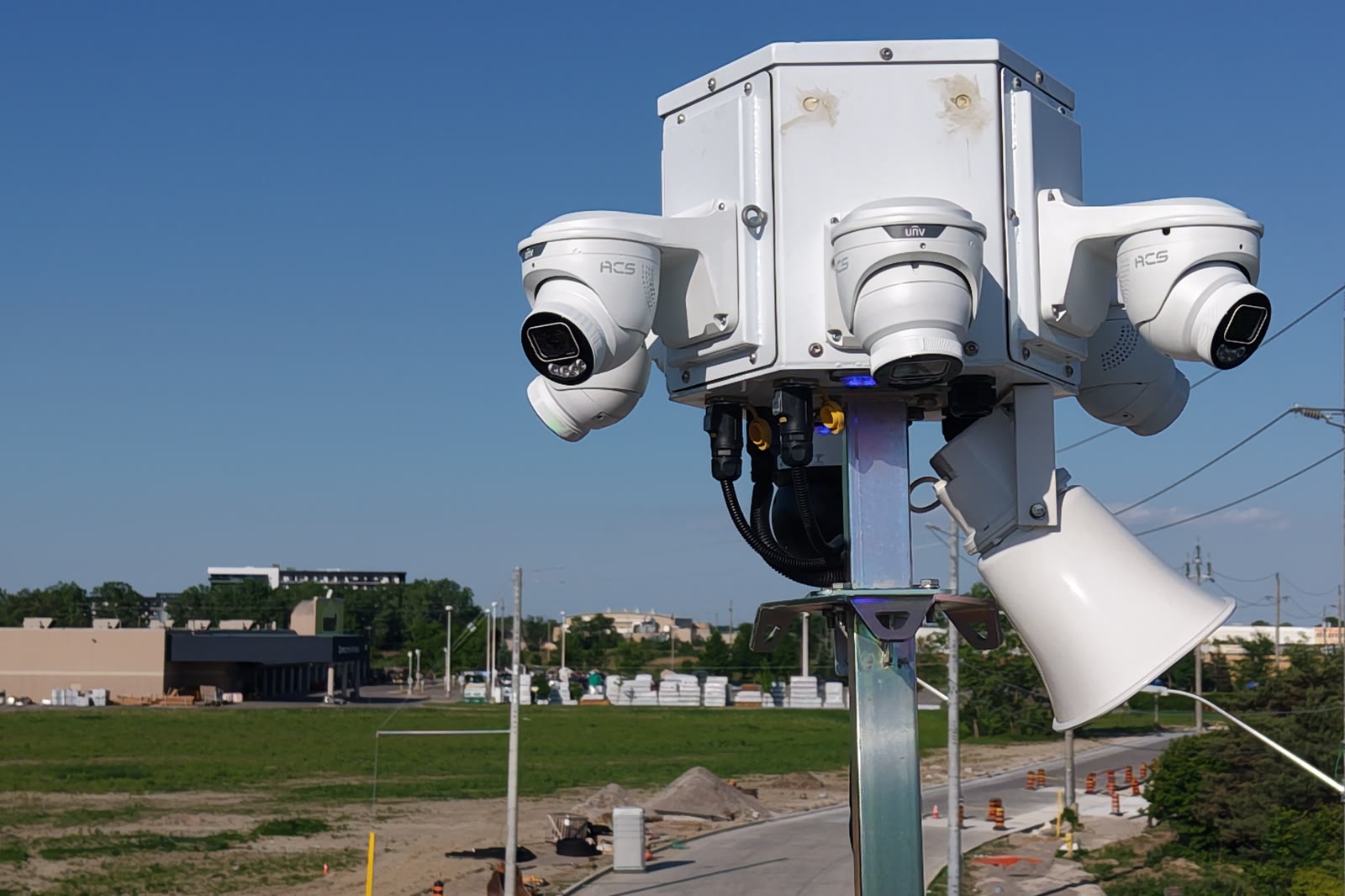
  • An ACS multi-camera head on a mast against open sky
    Multi-head camera cluster Mast, over the container line

    Fixed heads holding the whole fence line with a zoom head that can be driven onto a unit, a door or a plate. It replaces a run of building cameras and the gaps between them.

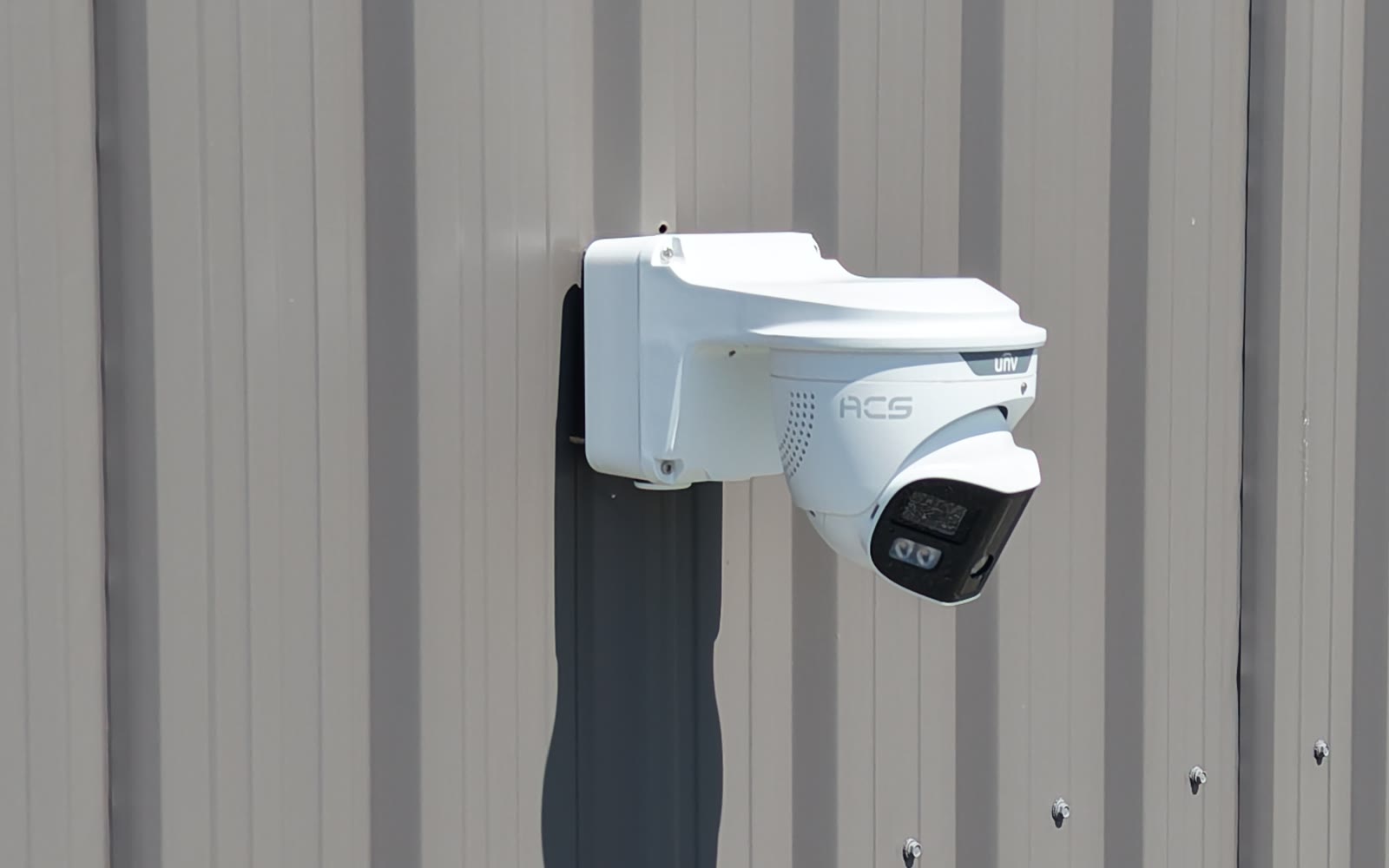
  • An ACS camera mounted on the corrugated wall of an industrial building
    Fixed camera Gate, dock and apron

    Where the view never needs to change — the gate line, the dock face, the apron — a fixed head recording continuously is the better answer and the cheaper one.

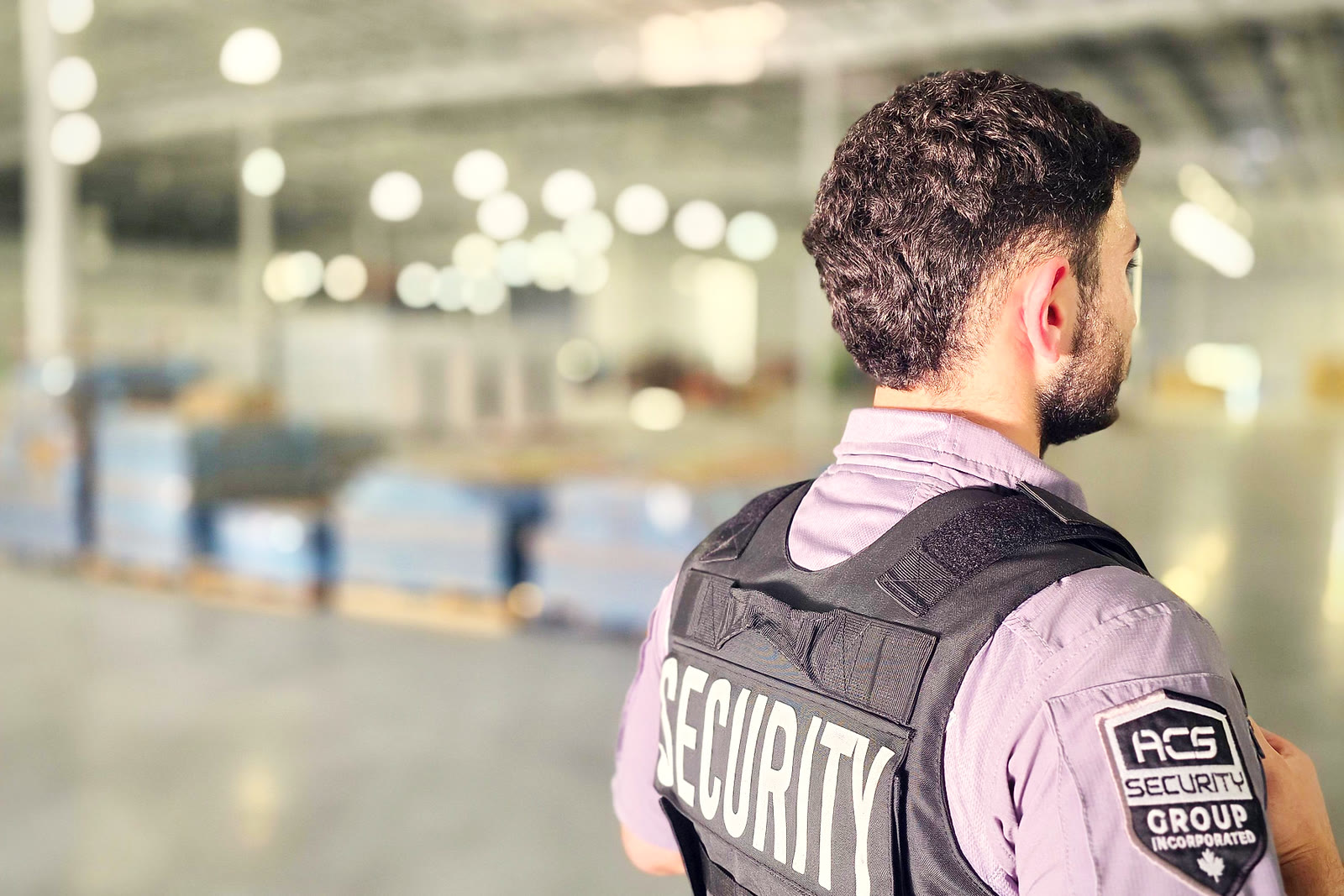
  • An ACS officer inside a warehouse
    Licensed officer Gate control and interior rounds

    Someone at the gate deciding who comes in, and walking the inside at times that are not predictable. Cameras record a tailgate; an officer prevents it.

Tell us how your yard is entered and we will tell you what covers it.

(519) 800-3947
On site

Yards, lots
and perimeters.

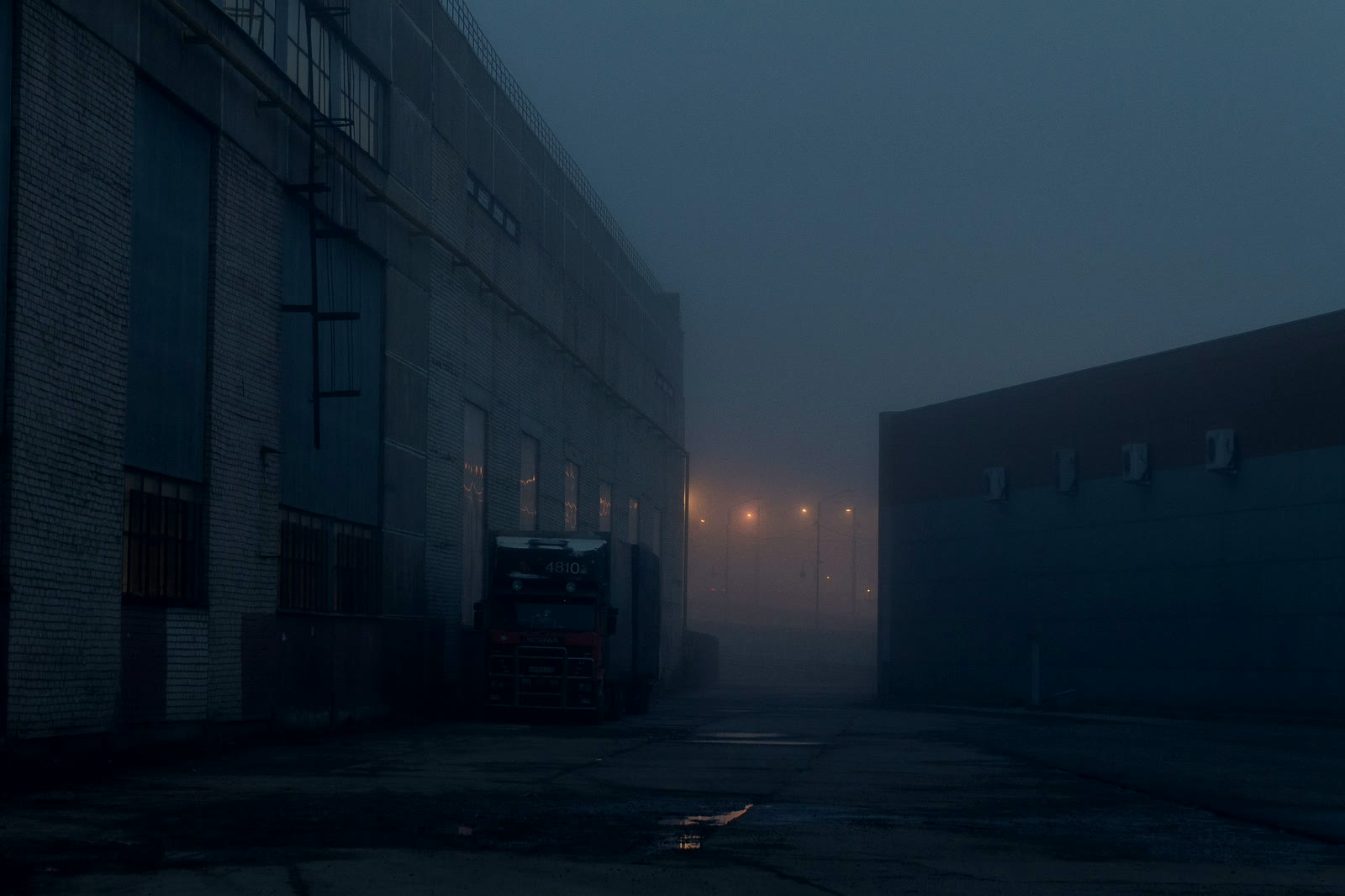
A truck beside an industrial building in heavy night fog
A truck yard in night fog
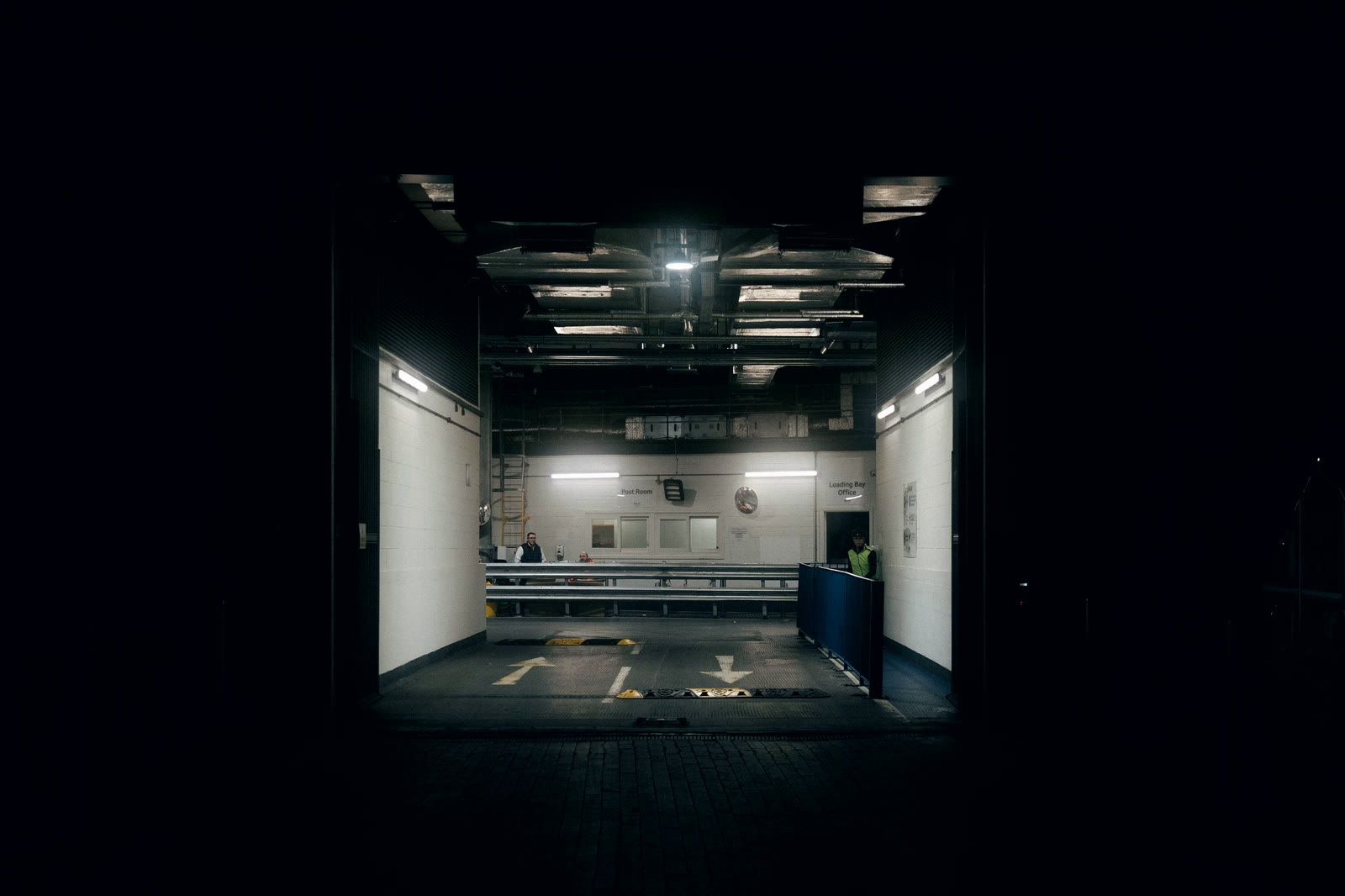
A lit loading opening in an otherwise dark building face
The only lit door on a dark building
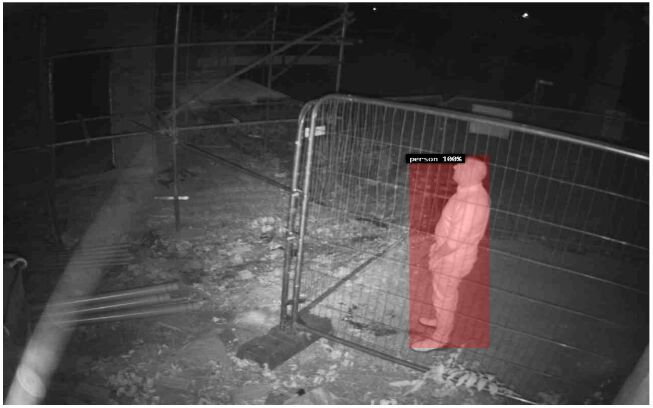
Night camera image of a person at a temporary fence, outlined by a red detection box
Night detection at a fence line
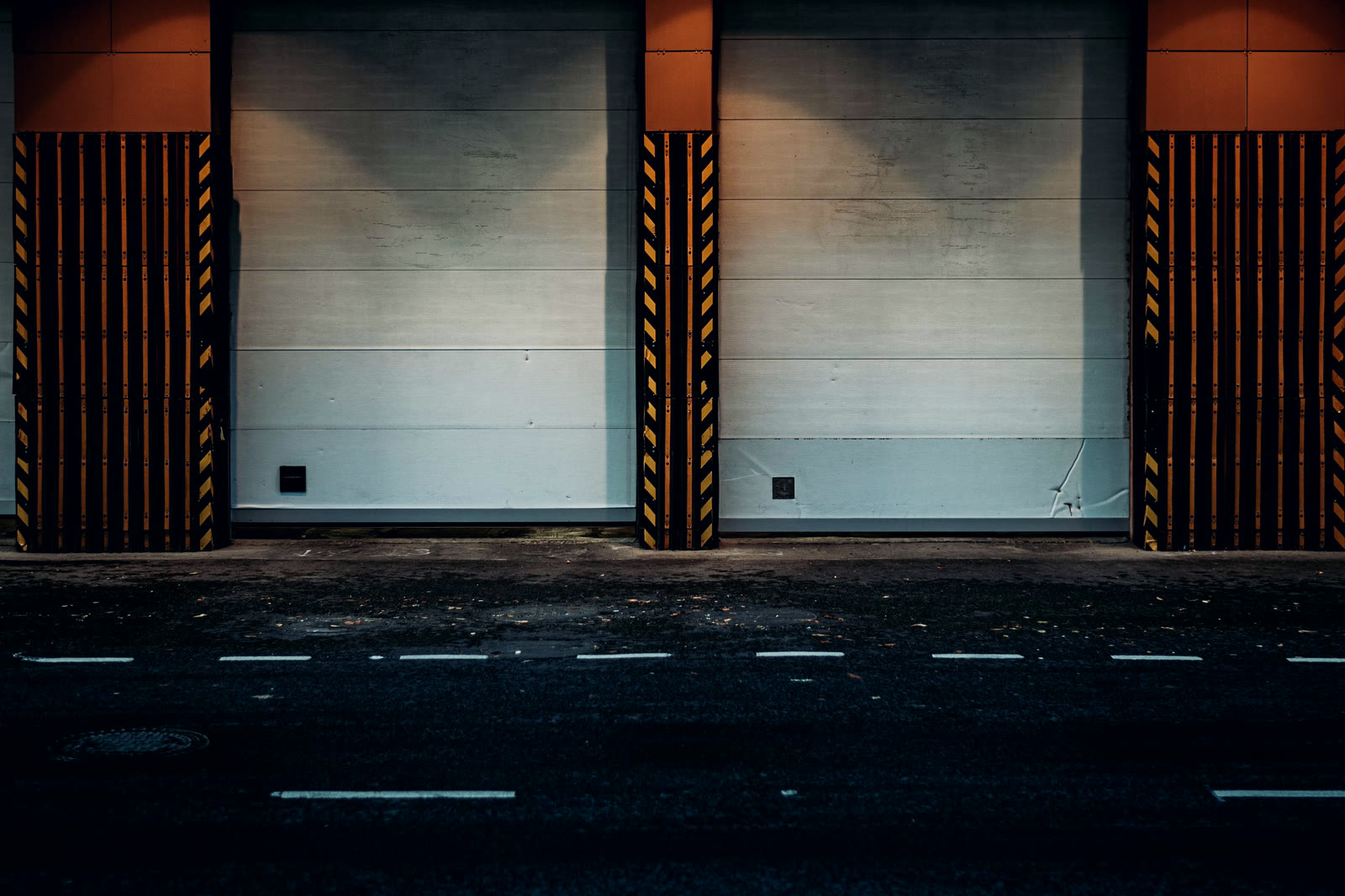
Loading dock doors at night with an empty apron in front of them
Dock doors and an empty apron
Proof

Coverage for a site with no power or network.

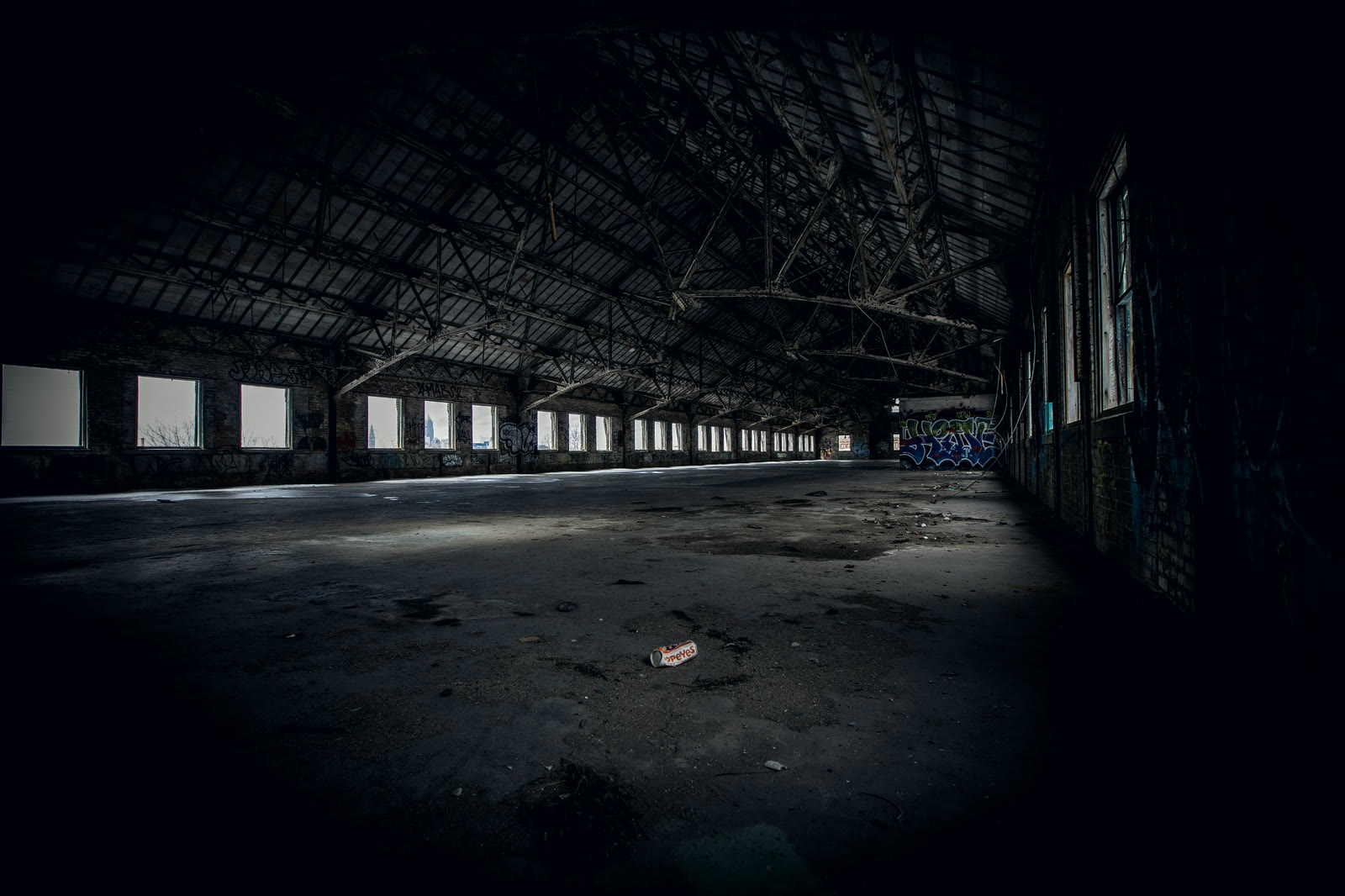
The inside of a large warehouse, lit only from the far end
Rapid deployment

MDT rapid deployment

Problem: a temporary site with no power, no network and no time to build out a camera system.

Plan: a self-powered mobile defense tower with its own wireless connection and live oversight.

Outcome: the tower was live the same week and repositioned as the site changed.

Same weekfrom call to live coverage
Read the tower deployment case
FAQ

Common questions.

Mobile defense towers carry elevated 4K PTZ cameras on a 25-ft mast, layered with AI CCTV and live operators, so a wide perimeter is watched from above instead of relying on a single post that can't see across the site.

No. Towers run on solar with a 4-day runtime on a full charge, or tie into direct power where it exists, and each unit carries its own 5G wireless link. No site network or permanent install is required.

It can be watched live. Trained operators monitor feeds, verify alerts, intervene by on-site audio and coordinate with law enforcement, and live monitoring is available on every unit. Recording is not the same as preventing: units are positioned to deter before an incident.

Every guard is individually licensed under Ontario's PSISA and screened before representing ACS. Operations carry comprehensive general liability coverage on every contract.

Yes. Towers deploy with no permanent install and are relocated as the yard, laydown areas or project phases change, and removed when the work ends.

Yes. That is the point: towers, AI CCTV, live virtual operators and on-site guards run as one accountable program, matched to the site rather than sold as separate vendors.

Question not covered here? Call (519) 800-3947 and talk to the team that runs the coverage.

Let's secure
your yard.

  1. Tell us about the siteSend the short form, or call (519) 800-3947.
  2. A coordinator follows upBy phone or email, to book your walkthrough.
  3. Your free assessmentLayout, access points, high-risk hours and the coverage that fits.