Results About Careers Contact Law Enforcement Video Request
Virtual Client Sign-in Guard Client Sign-in Request a Free Security Assessment (519) 800-3947
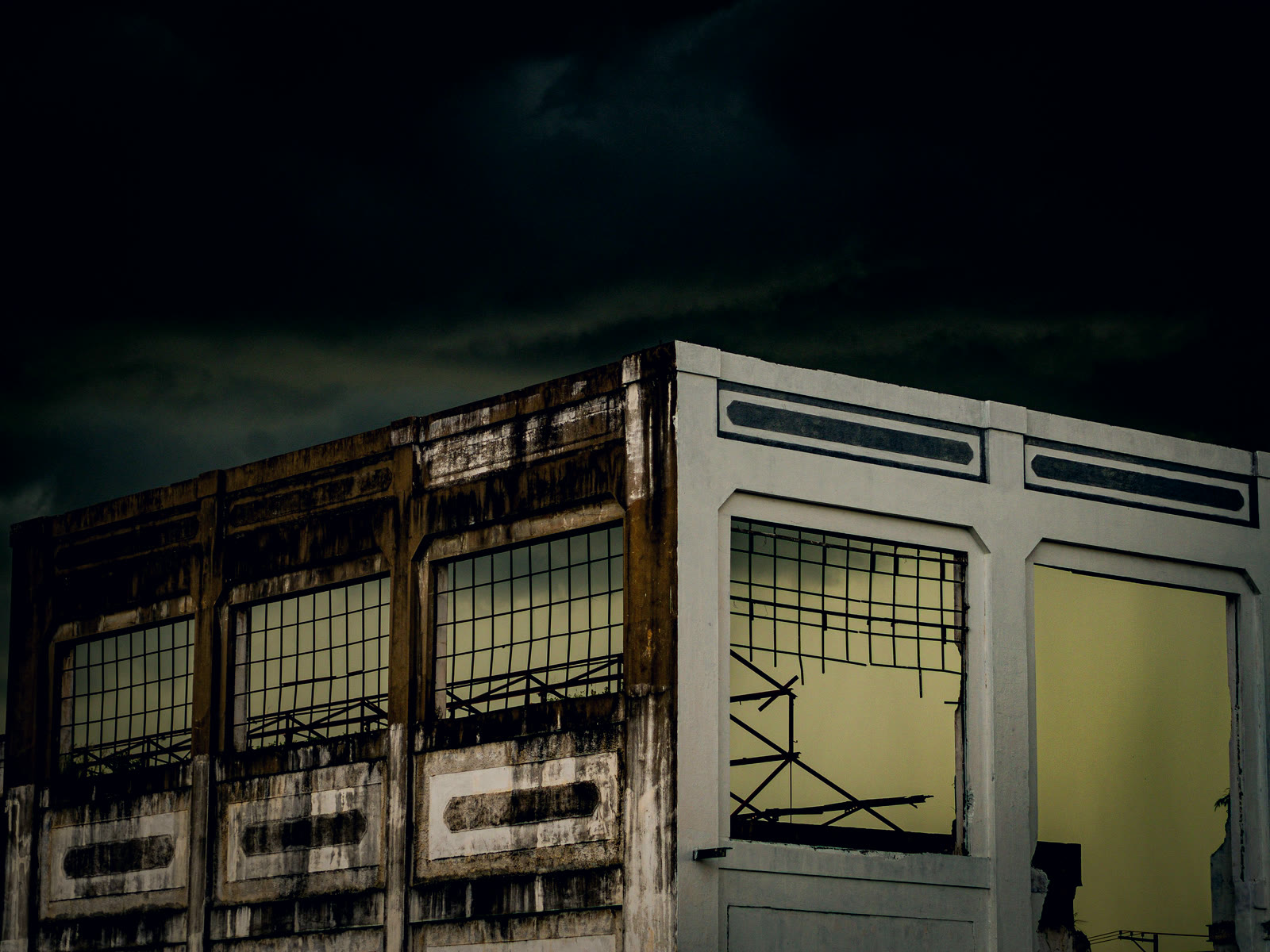
A boarded-up building standing empty under a heavy dusk sky
Vacant & Temporary Sites

Vacant property security
that arrives with its own power.

No grid, no network, nobody on site. Solar towers with their own wireless connection and ACS operators watching live — for empty buildings, lots between tenants and seasonal sites.

What the numbers say

An empty building is
the easiest one to get into.

Arson is the one line on Canada's property list that did not fall with the rest — and the American fire services have measured what an empty building does when it burns.

Canada · 2025

0up 2% on 2024

arson incidents police recorded across Canada in 2025, while the Crime Severity Index fell 5%. No national figure separates fires in empty buildings from the rest.

Statistics Canada · 2025

0in Ontario

of those arsons were in Ontario — a deliberate fire roughly every five hours somewhere in the province.

Statistics Canada · table 35-10-0177-01

United States

0a year · 2013–2015

vacant residential building fires were reported to U.S. fire departments each year, causing an estimated 75 deaths and $785 million in property loss annually. The leading cause, at 34%: intentional.

U.S. Fire Administration

0arsons · 2025

arson offences recorded at abandoned and condemned structures by NIBRS-reporting agencies in 2025, among 6,572 property offences at those locations.

FBI · NIBRS table 18

Canadian counts exactly as printed in table 5 of Statistics Canada's Police-reported crime statistics in Canada, 2025 (22 July 2026), Ontario from table 35-10-0177-01; "every five hours" is 1,866 fires across 8,760 hours. U.S. fire figures from the U.S. Fire Administration's topical report on vacant residential building fires (January 2018, covering 2013–2015 — the most recent it has published), residential buildings only; NIBRS figures from the FBI's 2025 tables, counting what participating agencies recorded. NFPA has separately reported that vacant-building fires were 6% of U.S. structure fires but 13% of firefighter injuries.

How it works

No meter. No line.
Watching the same day.

There is nothing on the site to build on — no power, no network, nobody. So the coverage brings its own. This is what an ACS tower does in its first night on an empty property.

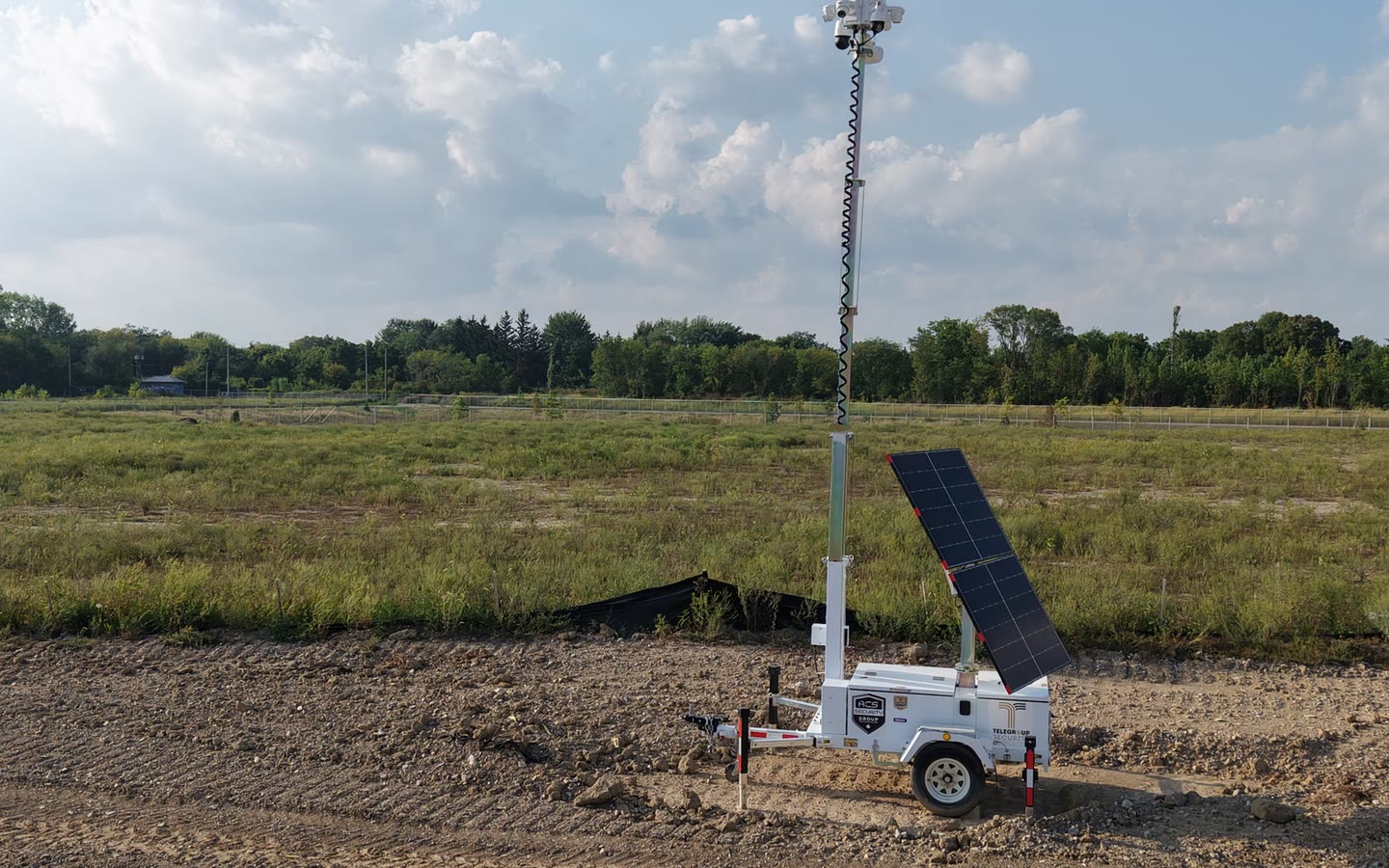
An ACS solar tower standing alone on open vacant ground, mast raised

An ACS tower on empty ground — its own power, its own connection, and nothing on the site it needs to plug into.

No power. No network. No caretaker.

Everything a vacant site needs,
the tower brings with it.

The reason empty property goes unwatched is never that nobody wanted to watch it. It is that watching it meant a utility connection, a service account and a trench across ground that is about to be sold.

  1. It makes its own power

    Solar and onboard storage run the cameras, the lighting and the radio. Nothing is drawn from a meter that was disconnected when the last tenant left, and nothing has to be reconnected to start.

  2. It brings its own connection

    The link out is cellular. There is no line to install, no account to open with a provider, and no cable for anyone to cut at the pole.

  3. It keeps recording when the link drops

    Footage is written on board as well as sent. A weak signal or a cell outage costs live monitoring for that period — it does not cost you the recording of what happened.

  4. It moves when the site does

    The same unit covers the north corner this month and the gate next month. A site that is about to change hands, be demolished or be re-let does not deserve permanent infrastructure, and does not need it.

  5. It comes back off the site cleanly

    When the property sells or the tenant takes possession, the tower is towed away. There is nothing to decommission, nothing left in the ground, and no contract attached to a building somebody else now owns.

What you get

What we put on the ground,
and what each part stops.

There is no grid, no network and nobody to call from the site itself. Here is what ACS puts where, and what each position is there to stop.

Anywhere on the property

Mobile Defense Towers

Solar power and a wireless connection on a 25-ft mast, so a building with nothing switched on still gets watched.

Live, after dark

Virtual Security Guard

An operator speaks to whoever is on the site, over the tower, and escalates from there.

Doors, gates and fencing

Mobile Patrol & Alarm Response

A licensed officer checks the building on a schedule and attends an alarm, and records what was found each time.

Once the power is back on

Commercial CCTV

Fixed cameras for the point where the property is re-occupied, re-let or handed to a contractor.

Towers relocate as the property's status changes: between tenants, mid-redevelopment, or at the end of a season — see what an assessment covers

The equipment

A mast, its own power,
and the head on top.

Vacant property is not worth a permanent installation, and does not need one. Everything below arrives on a trailer and leaves on the same trailer.

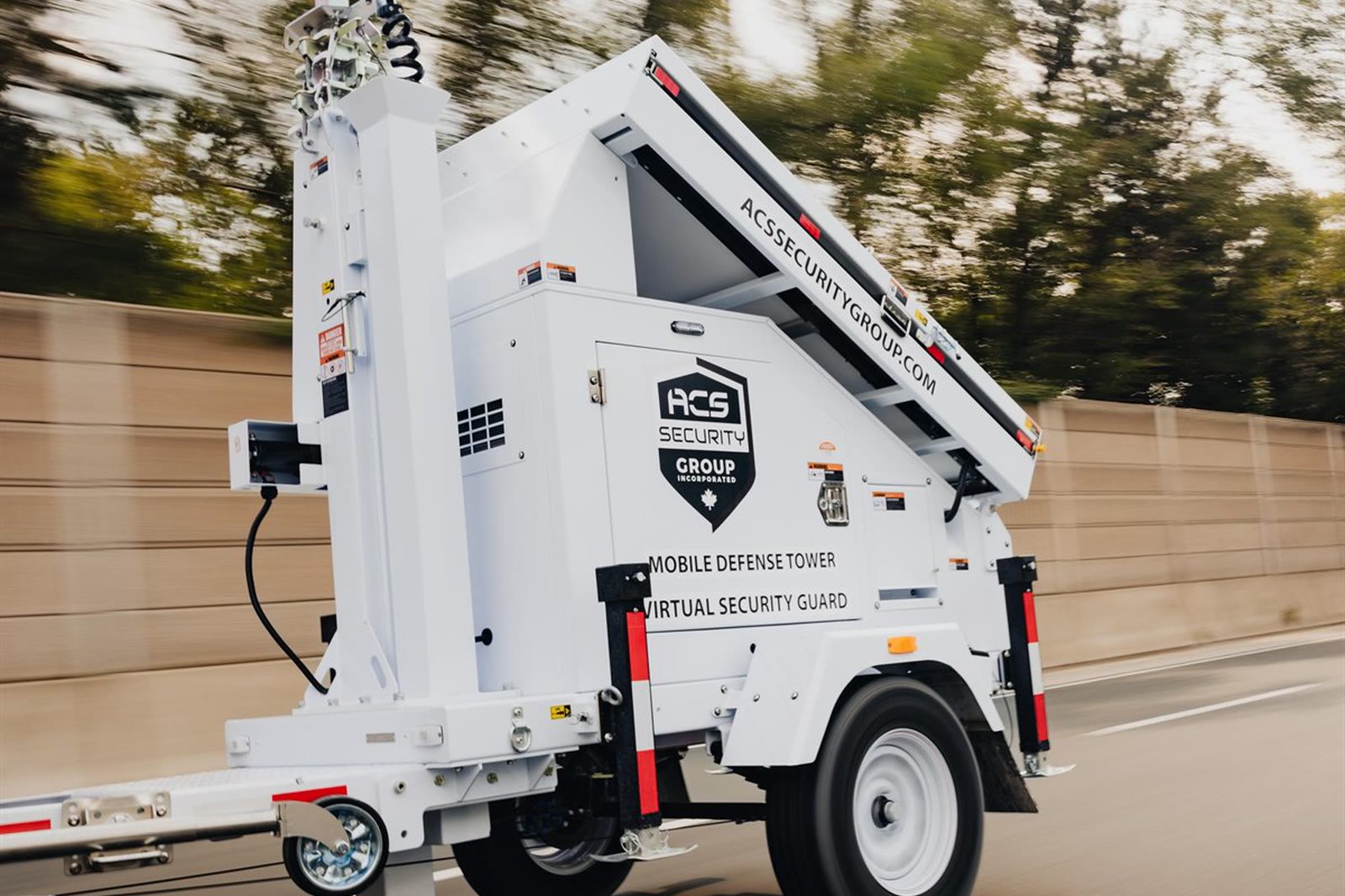
  • An ACS mobile tower being towed on a road
    Towed to site No crane, no trench, no meter

    It arrives behind a truck. There is no service connection to arrange, no permit for a pole, and nothing to leave behind when the property sells.

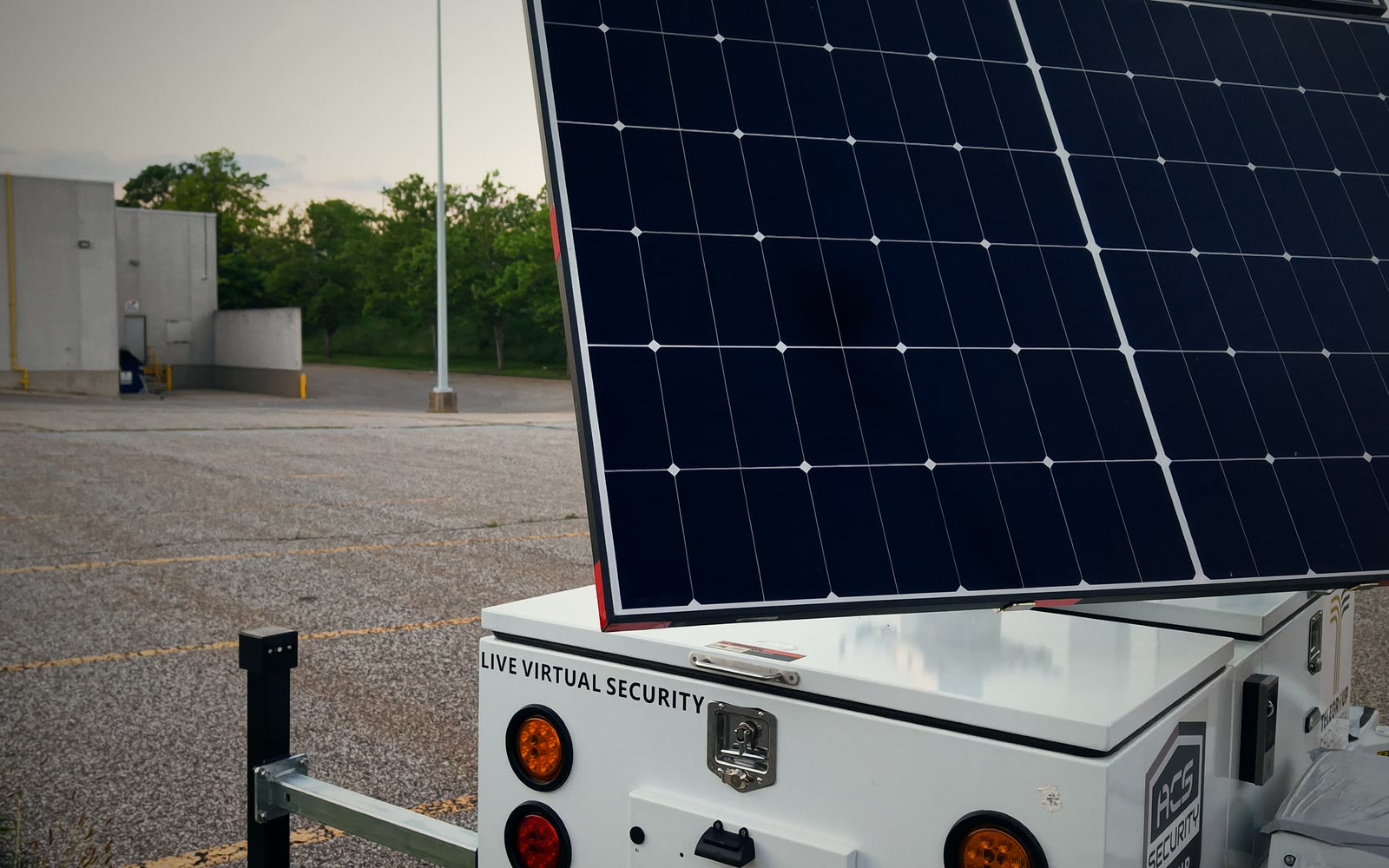
  • An ACS tower's solar panel raised above the trailer that carries it
    Solar and cellular Ground with no services at all

    Its own power and its own link out. That is the whole reason empty ground can be watched properly instead of driven past twice a week.

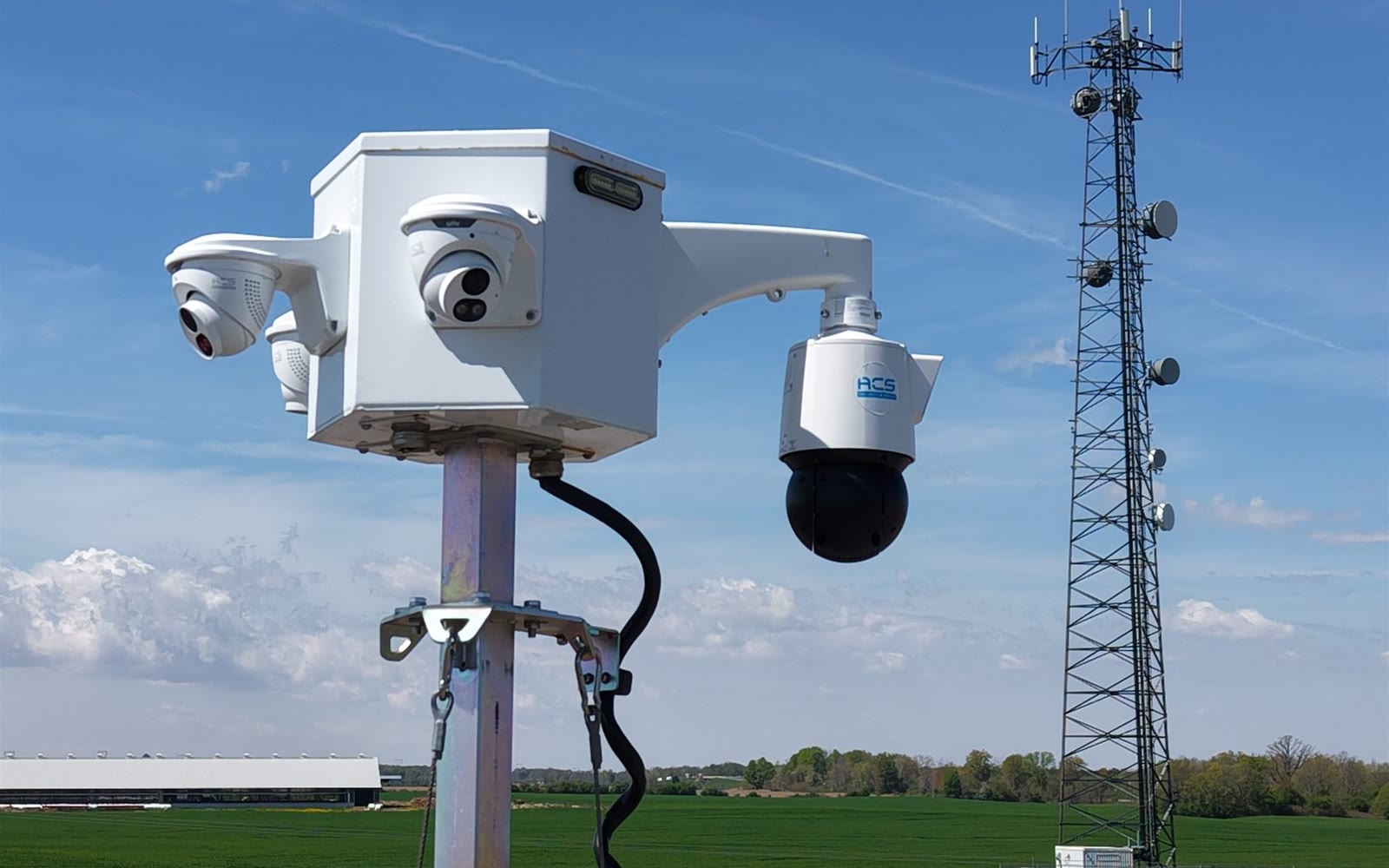
  • An ACS camera head on a mast with open fields and a communications tower behind
    Multi-head camera cluster Top of the mast

    Fixed views holding the whole site with a zoom head for the approach track and the openings. On empty ground there is no innocent traffic to filter out, so every zone stays armed.

Have ground sitting empty? Ask how quickly a tower can be on it.

(519) 800-3947
Proof

Watching before they got in.

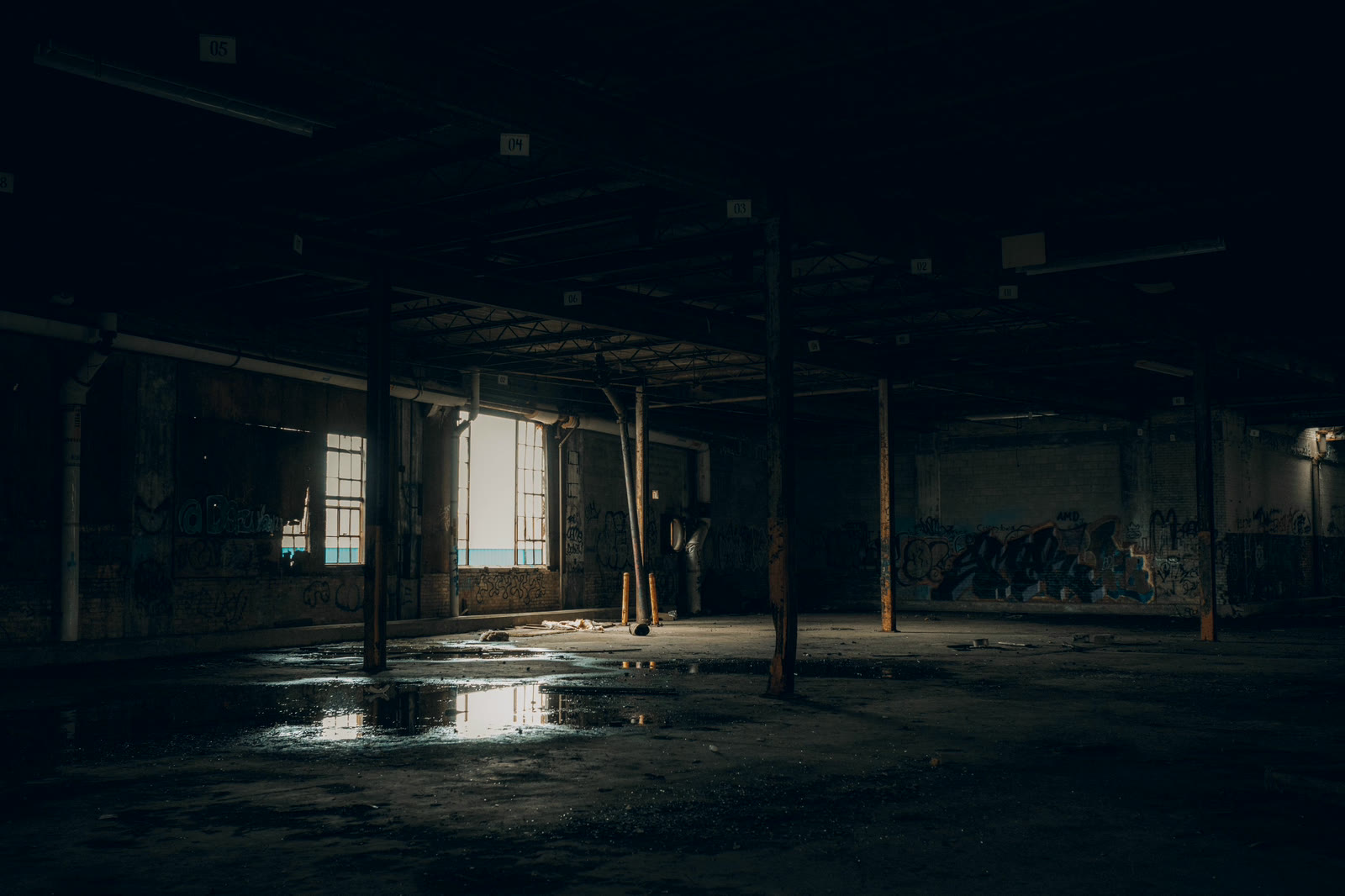
An empty industrial interior with standing water across the slab
Rapid deployment · Anonymized

MDT rapid deployment

Problem: a temporary site with no power, no network and no time to build out a system.

Plan: a self-powered mobile defense tower with wireless connectivity and live oversight.

Outcome: the tower was live the same week and repositioned as the site changed.

Read the case
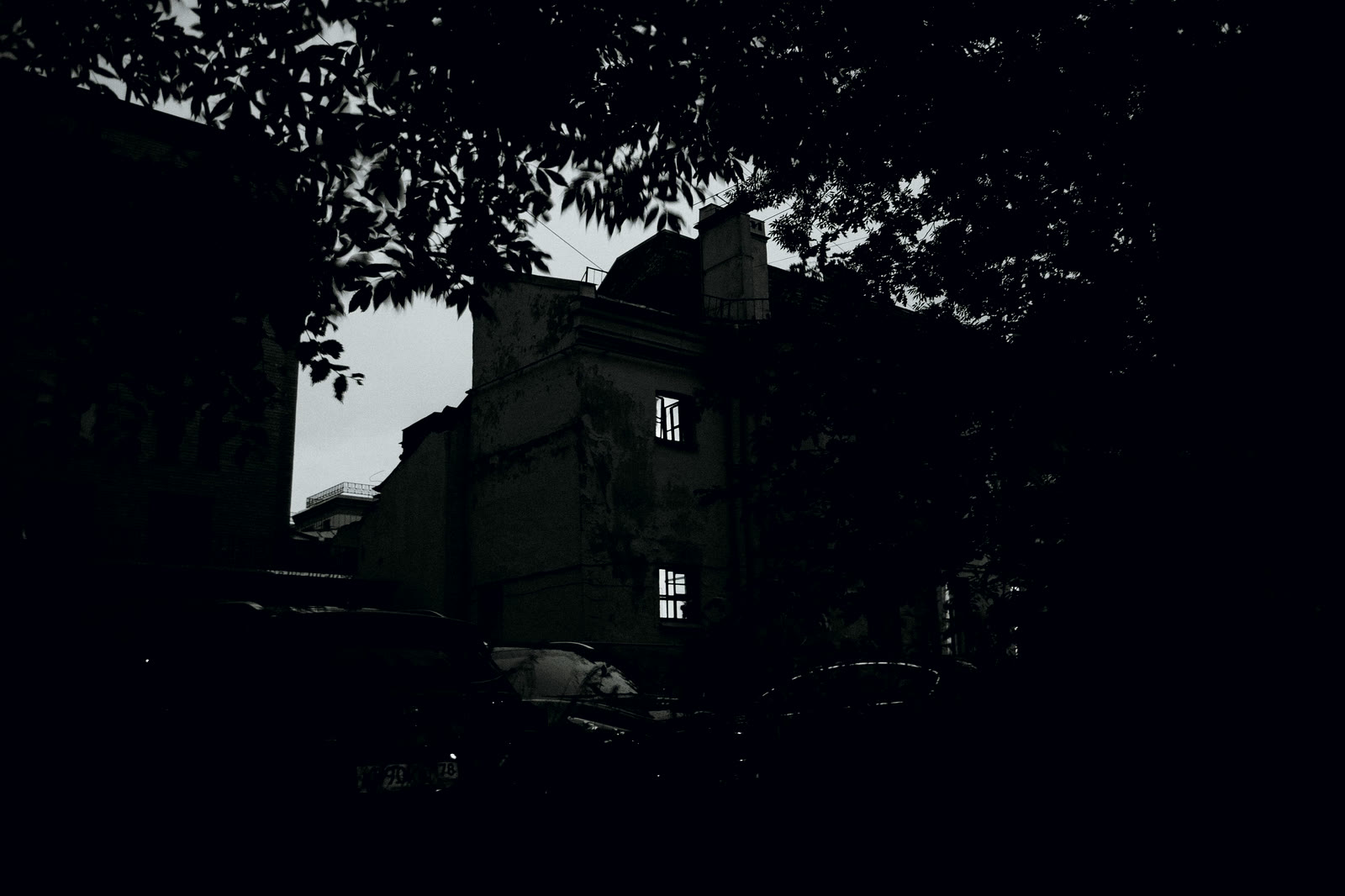
A dark empty house among trees with one window lit
Virtual intervention · Anonymized

After-hours perimeter breach

Problem: a person detected on a monitored site, well after close.

Plan: AI detection verified by a trained operator, then a live voice-down over site audio.

Outcome: the subject left the property, and the incident report was filed before morning.

Read the case
FAQ

Common questions.

No. The towers are solar-powered with a 4-day runtime on a full charge and run on 5G wireless internet, so they don't need grid power or a site network. They're also direct-power capable where a feed is available.

Timing is confirmed at the site assessment. Towers need no permanent install, and we confirm placement against the property's layout and risk windows before we deploy.

Both. Live monitoring is available on every unit. Trained operators verify alerts in real time, intervene by on-site audio and coordinate with law enforcement. Recording is not the same as preventing.

Yes. Mobile patrol sends a licensed officer on scheduled rounds to check doors, gates and the perimeter, and an officer attends when an alarm trips. Every visit closes with a timestamped report.

Yes. There's no permanent install, so towers relocate as the property's status changes: across the site, or to the next property between tenants or seasons.

From tighter urban lots to larger properties and broader perimeters, mobile defense towers scale to the site. Mobile patrols can add scheduled door and perimeter checks.

Yes. ACS operates under Ontario's PSISA and carries comprehensive general liability coverage on every contract.

Question not covered here? Call (519) 800-3947 and talk to the team that runs the coverage.

Let's secure
your site.

  1. Tell us about the siteSend the short form, or call (519) 800-3947.
  2. A coordinator follows upBy phone or email, to book your walkthrough.
  3. Your free assessmentLayout, access points, high-risk hours and the coverage that fits.