Results About Careers Contact Law Enforcement Video Request
Virtual Client Sign-in Guard Client Sign-in Request a Free Security Assessment (519) 800-3947
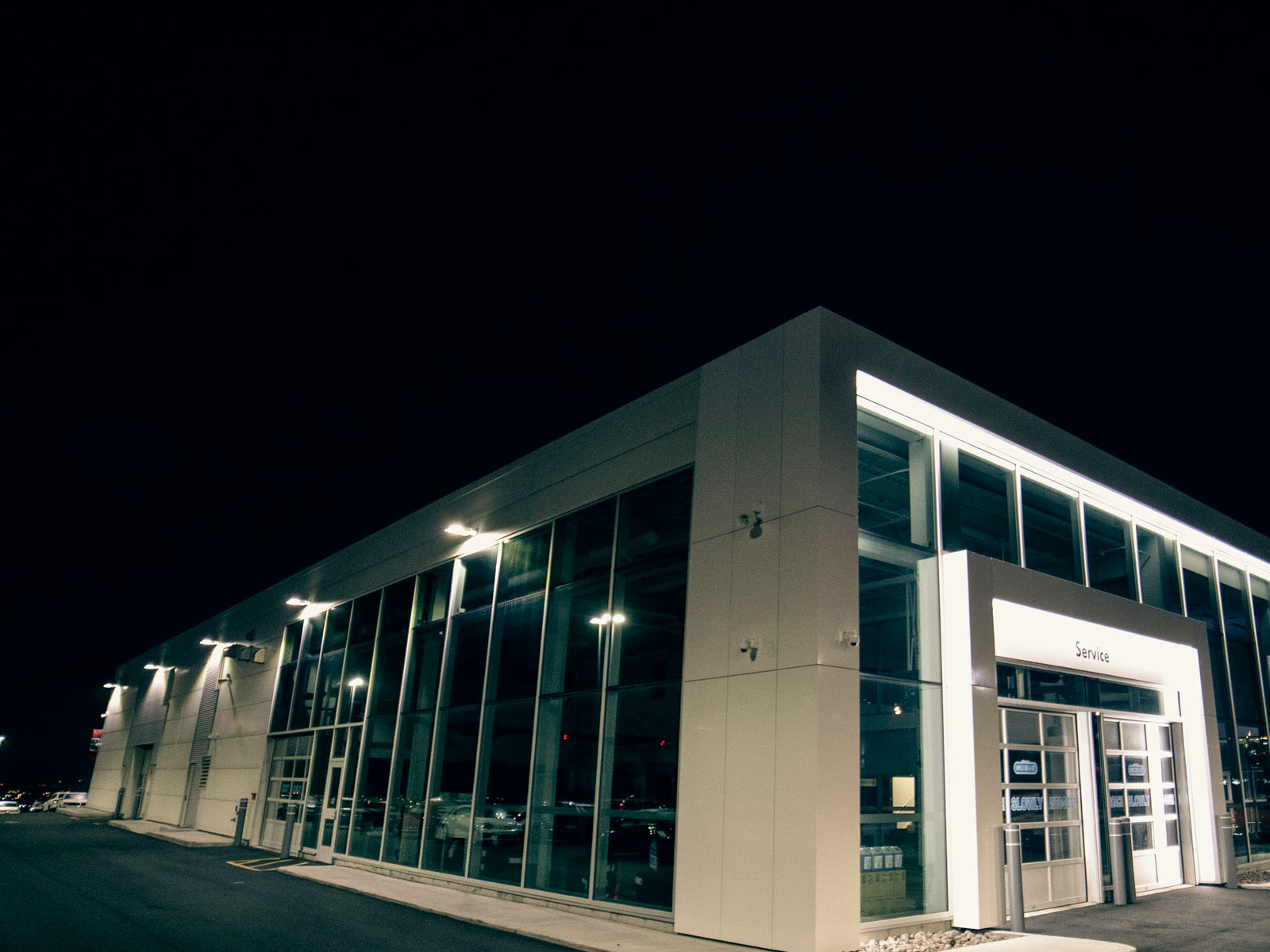
A glass-fronted dealership showroom lit from inside at night, with empty asphalt in front of it
Automotive & Vehicle Lots

Dealership security built
for the lot, not the building.

Inventory sits outside with the keys a few metres away. Elevated cameras over the rows, operators who speak to people while they are still between them, and licensed officers through the night.

What the numbers say

A vehicle is stolen in the U.S.
every 48 seconds.

Theft is falling in both countries, and it is still counted in the hundreds of thousands of vehicles a year. Here is the record, from the agencies that keep it.

Canada · 2025

0 down 16% on 2024

motor vehicle thefts police recorded across Canada in 2025 — a rate of 201 per 100,000 people.

Statistics Canada · 2025

0more than 80 a day

of them in Ontario, down from 37,844 the year before — still more than eighty vehicles every day.

Statistics Canada · table 35-10-0177-01

United States · 2025

0 down 23% on 2024

vehicles reported stolen across the United States in 2025 — the lowest total in decades.

NICB · March 2026

48 secondseven in a record-low year

is how often a vehicle was stolen in the U.S. through 2025, on NICB's count.

NICB · March 2026

0at dealerships

criminal offences recorded at U.S. auto dealerships in 2025 by NIBRS-reporting agencies — 7,617 vehicle thefts and 1,829 break-ins among them.

FBI · NIBRS table 18

Canadian counts exactly as printed in table 5 of Statistics Canada's Police-reported crime statistics in Canada, 2025 (22 July 2026); Ontario from table 35-10-0177-01. U.S. figures from the National Insurance Crime Bureau (18 March 2026), which compiles reported thefts; "one vehicle every 48 seconds" is NICB's own line. The dealership figure is from FBI NIBRS table 18 (August 2026), counting what participating agencies recorded at that location type rather than a national estimate. The two countries count differently and sit side by side here, never added. Parts stripped from a vehicle that stays on the lot are recorded as theft in both systems, with no published figure separating them.

How it works

Watched live.
Spoken to, live.

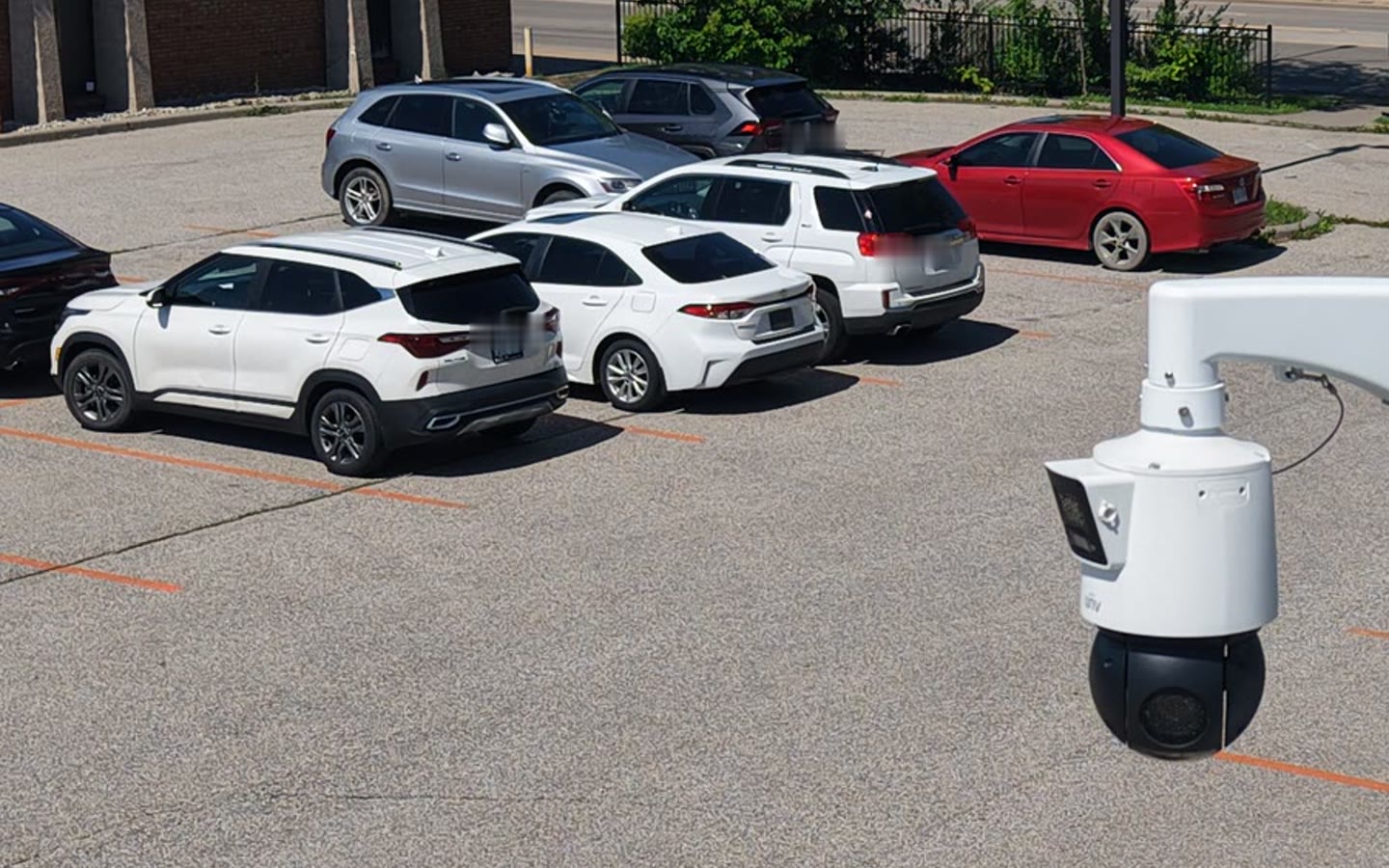
A recording tells you what happened to your inventory. An ACS operator changes what happens to it. This is the lot the way the operations centre sees it — from a 25-ft tower over the rows, all night.

An ACS pan-tilt-zoom camera overlooking rows of parked vehicles on a dealership lot

An ACS camera over a working lot — the rows, the aisles and the lane between them, watched from a position no camera on the building can reach.

The hours you are not there

A lot is a shop with no walls,
and thirteen hours of nobody in it.

Dealerships lose vehicles in a window that is the same on almost every lot. Here is what that window looks like, and who is watching each part of it.

  1. 18:00 · Close

    The last plate goes in the box

    Staff leave, the lot is full, and the building alarm covers the building. The inventory is outside it.

    • Zones arm as the last car leaves
    • Operator picks the lot up on shift change
  2. 22:00 · The look

    Somebody drives through

    Most lots are scouted before they are hit — a slow pass, a stop at the end of a row, a walk between two vehicles.

    • Loiter rule on the service lane
    • Talk-down on the first pass, not the second
  3. 02:00 · The window

    When a lot actually gets hit

    Keys from the box, a relay off a fob, or a flatbed backed up to the front row. Minutes, not hours.

    • Line cross on the front row and rear fence
    • Operator speaks, then dispatches with the clip
  4. 07:00 · Open

    Before the GM gets in

    The worst version of this is finding out from a salesperson that a car is gone and nobody knows when.

    • Overnight log filed before doors open
    • Clips kept and searchable by row and time
What you get

What we put on the lot,
and what each part stops.

A dealership is a building with a field attached, and the field is where the loss happens. Here is what ACS puts where, and what each position is there to stop.

Over the back rows

Mobile Defense Towers

A 25-ft mast looks down every row at once, from a position no camera on the building can reach. It moves as the inventory moves.

Live, from close to open

Virtual Security Guard

An operator watches the lot in real time and speaks to whoever walks onto it, over the speakers on the tower.

Building, bays and key drop

Commercial CCTV

Fixed cameras on the doors, the service lane and the key drop, in colour at night, with footage you can export for an insurer or a police request.

Through the night

Mobile Patrol & Alarm Response

A licensed officer attends on scheduled checks and on an alarm, walks the rows and the fence line, and files what they found.

Open hours, when you want presence

Security Guard Services

A uniformed officer on site for handovers, test drives, and the hours when a customer lot needs somebody visible.

Most lots start with one of these and add the next when the site asks for it. The assessment says which one is first — see what an assessment covers

The equipment

What goes up, and where it goes.

Three positions cover a lot properly: height over the rows, a fixed view of the front line, and a licensed officer through the hours that matter most.

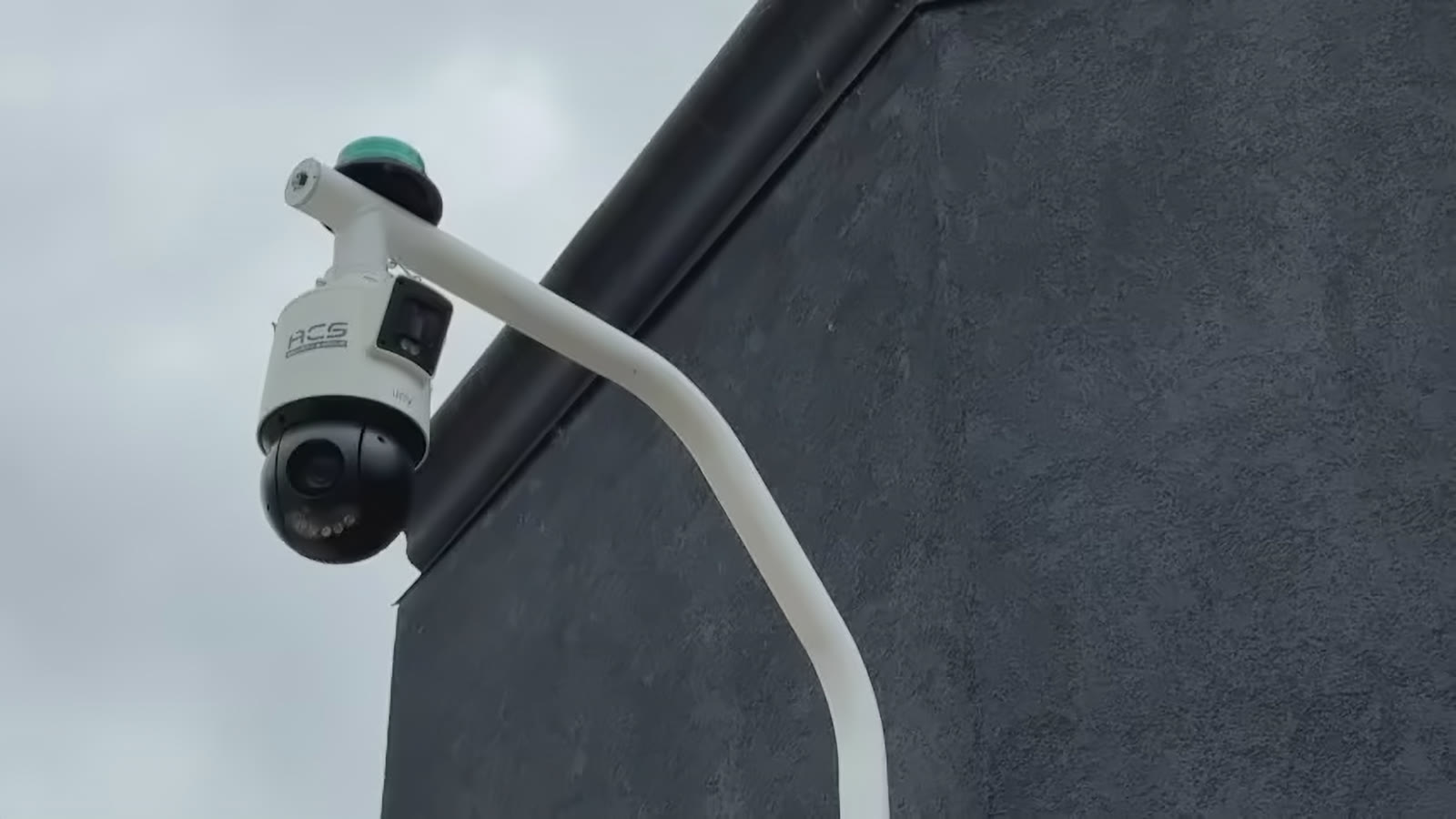
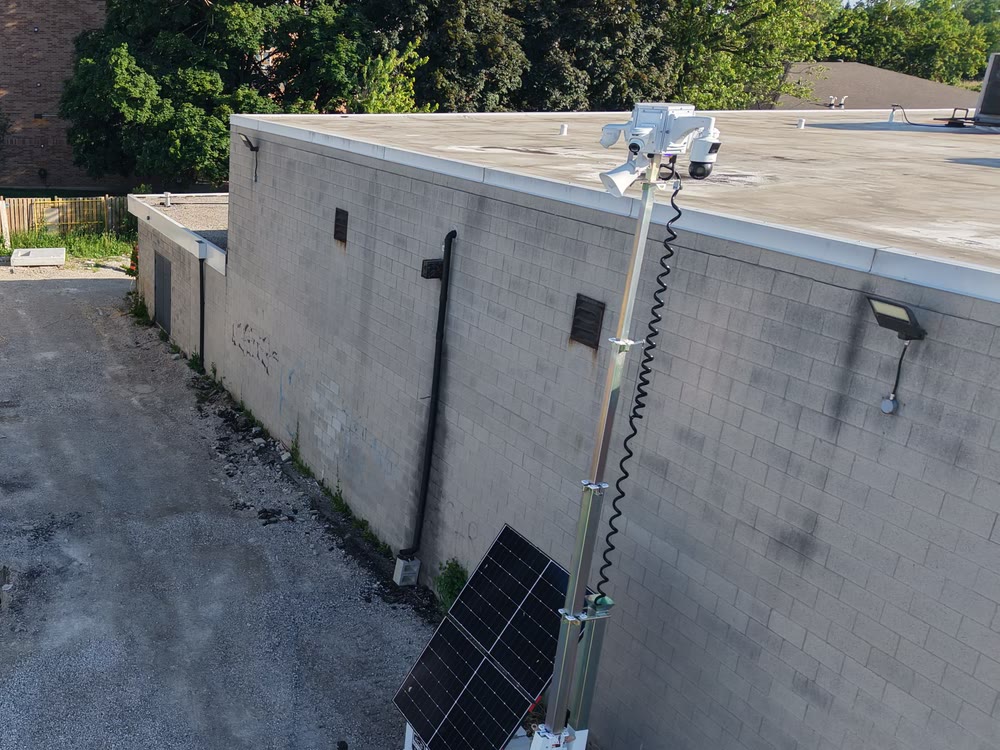
  • An ACS pan-tilt-zoom camera and strobe mounted on the corner of a building
    Pan-tilt-zoom head Building corner, above the rows

    One head that can be driven down any row on command, instead of a fixed camera pointed at the aisle somebody thought mattered when it was installed.

  • An ACS mobile tower on a paved lot, camera head at the top of a raised mast
    Mobile tower Back of the lot, no trenching

    Twenty-five feet of height where there is no building to mount to. It is towed in, raised, and covering the rear rows the same day — with its own power and its own connection.

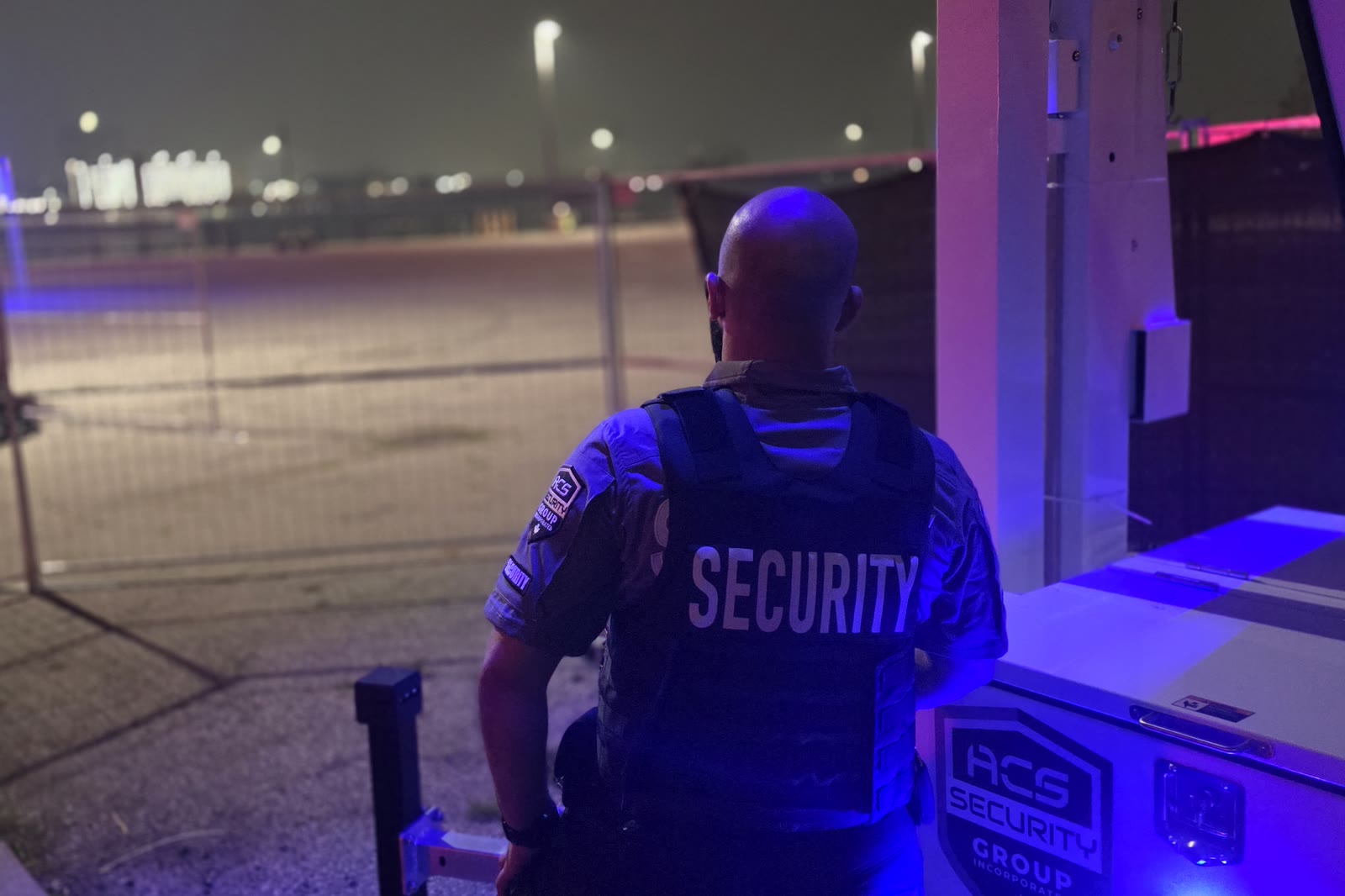
  • An ACS officer standing on a vehicle lot at night
    Licensed officer Close, and through the peak hours

    For the lots that need a person: lock-up, the walk to the car, and a physical presence through the window when a lot is most likely to be hit.

Want to know what would actually go on your lot? Ask an operator — they run these sites every night.

(519) 800-3947
Proof

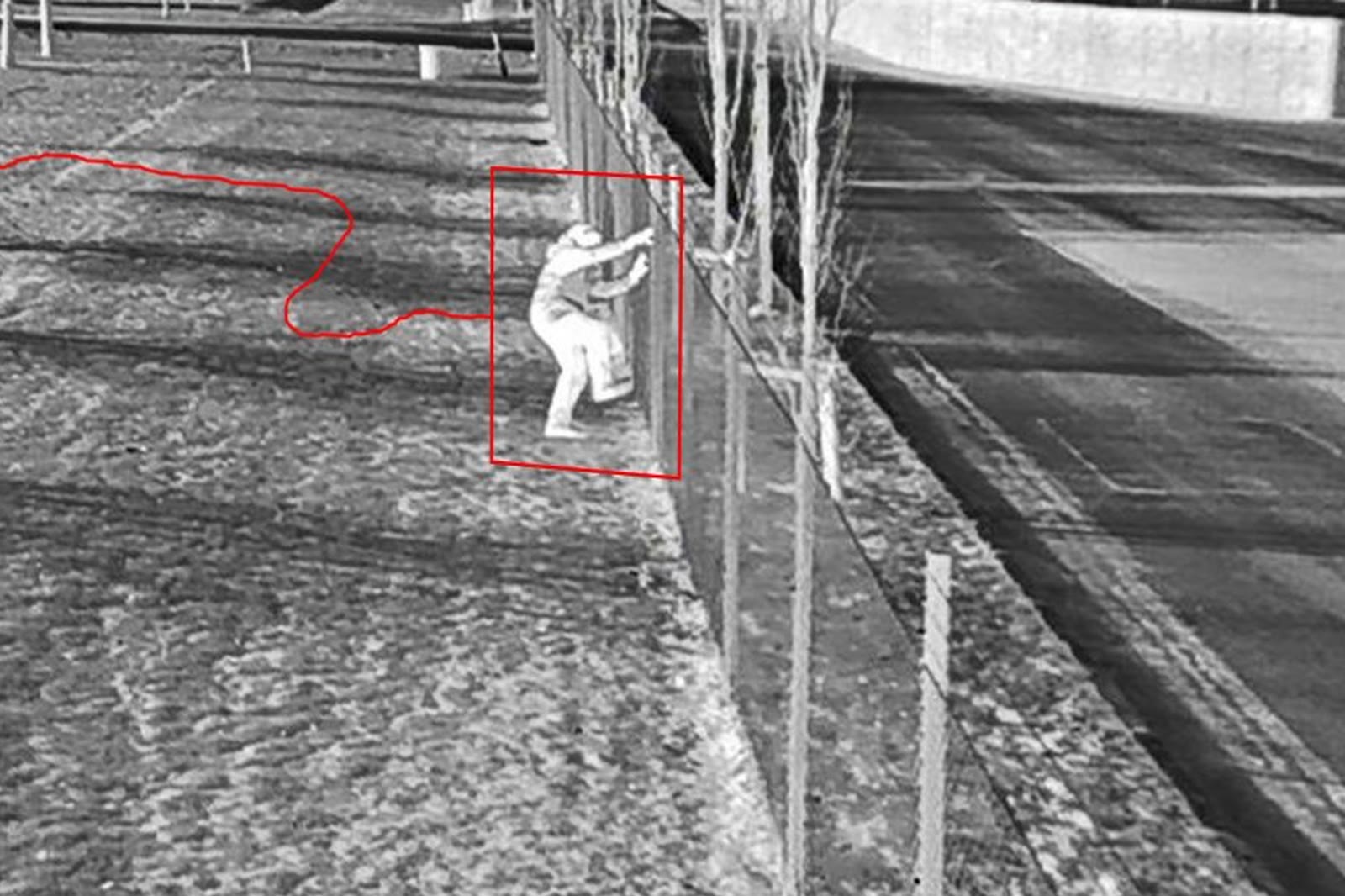
Detected after close, warned off live.

A thermal camera frame from an ACS site at night: a person climbing a fence, tracked and outlined in red
Virtual intervention

After-hours perimeter breach

Problem: a person detected on a monitored site, well after close.

Plan: the AI detection was verified by a trained operator, who then spoke to the person live over the site audio.

Outcome: the person left the property, and the incident report was filed before morning.

Voice-downlive operator intervention
Read the perimeter breach case
FAQ

Common questions.

Mobile defense towers raise a 25-ft mast with 4K pan-tilt-zoom cameras and built-in AI detection over the lot, layered with AI CCTV and live operators. Placement follows a site assessment, not guesswork.

No. Towers are solar powered with a 4-day runtime on a full charge and are direct-power capable. They go in with no permanent install, which suits dealerships, fleet yards and temporary lots.

Trained operators watch feeds live, verify alerts, intervene by on-site audio and coordinate with law enforcement, with live monitoring available 24/7. Cameras are positioned to deter before an incident, not just to document it afterward.

AI people and vehicle detection flags activity in the lot, sirens and lights provide active deterrence, and operators can voice down and escalate as soon as an alert is verified.

Yes. Cameras record in full colour day and night with clean, exportable playback, and AI verification pinpoints the moment and location of an alert, so there is less footage to scrub.

Not with alarm response. A licensed ACS officer attends when the alarm trips, verifies the cause, coordinates with police where a confirmed intrusion needs them and re-secures the property, so your key-holder does not have to drive out at night.

Yes. Cameras, live virtual operators and rapid-deploy towers layer onto licensed guard coverage and patrols, covering more ground around the clock without weakening human accountability.

Question not covered here? Call (519) 800-3947 and talk to the team that runs the coverage.

Let's secure
your lot.

  1. Tell us about the siteSend the short form, or call (519) 800-3947.
  2. A coordinator follows upBy phone or email, to book your walkthrough.
  3. Your free assessmentLayout, access points, high-risk hours and the coverage that fits.