Results About Careers Contact Law Enforcement Video Request
Virtual Client Sign-in Guard Client Sign-in Request a Free Security Assessment (519) 800-3947
The lit doorway of a civic building at night, the pavement in front of it empty
Shelters & Community Services

A calm presence in a shelter,
so staff can do their work.

Trauma-aware, PSISA-licensed officers for shelters, community centres, supportive housing and social services. The door watched, help within reach, and what happened written down.

What the numbers say

The people most at risk
are the ones on your payroll.

The people this page is about are staff. Both countries measure what their work costs them, and both measures point the same way: this sector carries more of it than almost any other.

Ontario · WSIB claims

02024 · up from 993 in 2020

allowed lost-time injury claims for workplace violence in Ontario's health care and social assistance sector in 2024 — while the sector's overall injury claims fell.

Ontario · health care sector trends

0social assistance

of those 2024 claims were in social assistance classes — group homes, supported living and community services.

Ontario · WSIB data, 2024

United States · BLS

14.2vs 2.9 all industries

workplace-violence injuries per 10,000 full-time U.S. health care and social assistance workers in 2021–22 — nearly five times the all-industry rate of 2.9.

U.S. Bureau of Labor Statistics

72.8%of all cases

of private-industry workplace-violence injury cases in 2021–22 were in health care and social assistance: 41,960 cases in two years.

U.S. Bureau of Labor Statistics

Ontario figures from the province's health care sector trends page (updated September 2026), reporting WSIB allowed lost-time claims — a floor, since a claim means an injury bad enough to miss work; the page's scope note places group homes and supported living in its nursing and residential classes and community services in social assistance. U.S. rates from the Bureau of Labor Statistics workplace-violence factsheet (2021–2022), counting cases with days away, restriction or transfer. The two systems measure differently and sit side by side here, never compared directly.

How it works

One calm round:
the door, the desk, the floor.

Staff hold the room; the officer holds the edges. This is a community site the way an overnight ACS shift covers it: the entrance met, the lot seen, and the desk never left alone.

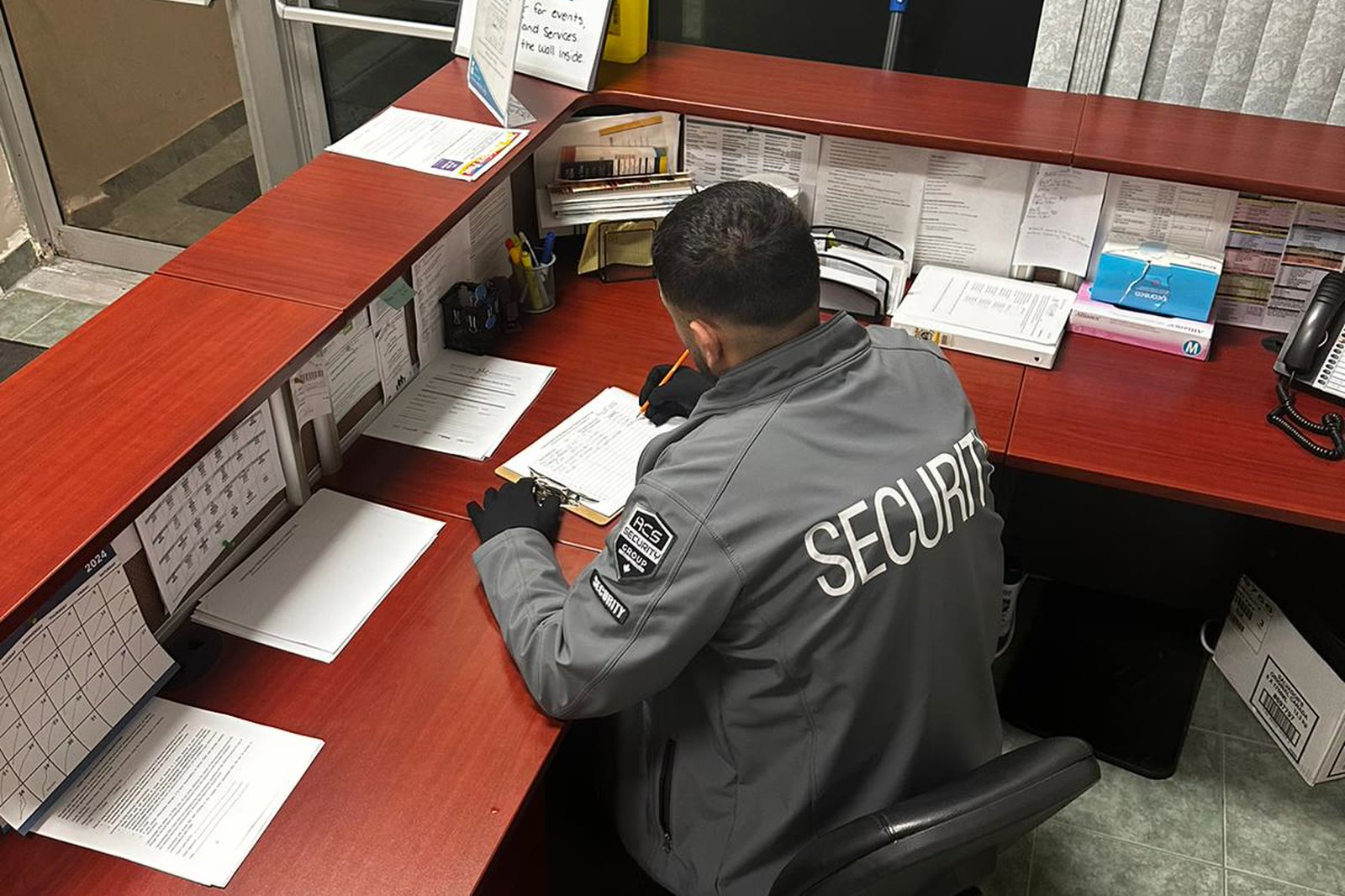
An ACS officer at a reception desk writing in a logbook
Licensed officer · reception and floor post
  1. Handover

    Who is in the building, and who is having a hard week

    The outgoing officer hands over names, not incidents. Knowing that someone is three days into a bad stretch is what stops the fourth day becoming a call.

  2. The door

    Known faces in, everyone else asked

    The door is the whole job. It is staffed so that residents are recognised and walk straight in, and so that anyone else is spoken to before they are inside.

  3. The floor

    Walking it, not watching it

    Presence is a person moving through common areas at unpredictable times, saying hello. It reads as staff, not as surveillance, and it catches things early.

  4. Escalation

    Space, time, and the staff who know them

    The officer steps back, lowers the volume, and brings in the worker with the relationship. Physical intervention is the last option, not the second one.

  5. Record

    Written the same way every time

    A consistent log is what lets a director see a pattern, support a staff member, and answer a funder. Inconsistent notes are worse than none.
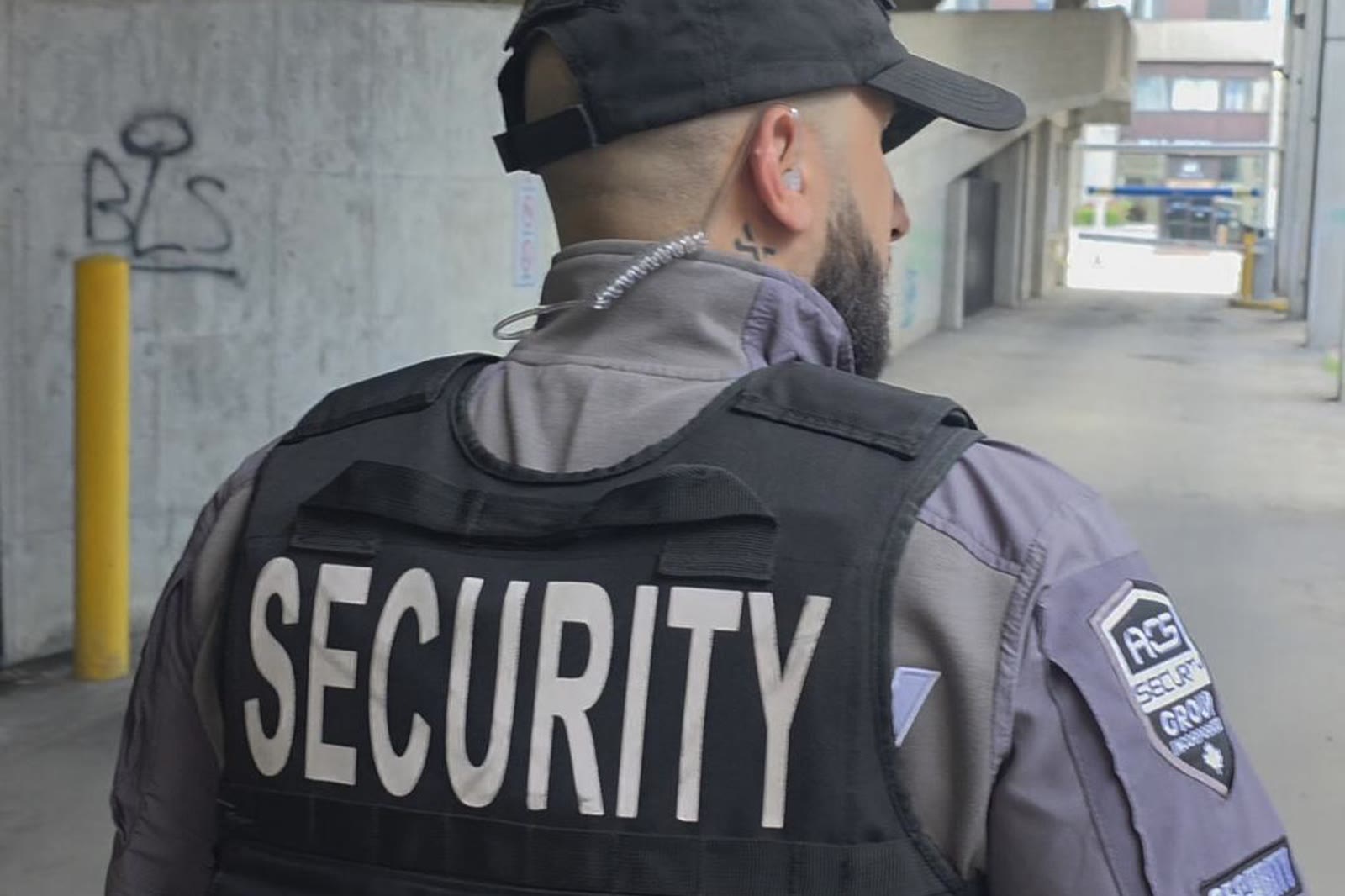
Officers are licensed under the Private Security and Investigative Services Act and briefed on the building’s own protocols before their first shift, including who to call and who not to.

The tactic is calm

A post that feels like a checkpoint
makes a building less safe, not more.

Shelters, community centres and supportive housing need officers whose first instinct is to lower the temperature. Everything below is ordered deliberately — the last rung is the last resort.

  1. Know the building before the first shift

    Who works here, who lives here, which rooms are private, which door is the one that matters, and what the organisation’s own protocol says. An officer briefed on the building behaves like staff. One who is not behaves like a stranger.

  2. Notice the change, not the person

    The people using the building are not the problem to be watched. What is worth noticing is a change — someone who is usually settled and is not, a visitor nobody recognises, a door that is propped. That is where attention goes.

  3. Lower the volume and give ground

    Step back, drop the voice, leave an exit. Distance and quiet resolve more situations in this setting than any instruction does, and they cost nothing if they do not work.

  4. Bring in the person with the relationship

    A worker who knows someone by name will reach them when an officer cannot. The officer’s job at that point is to hold the space and let that happen — not to take over.

  5. Physical intervention is the last rung

    Only where someone is at risk of harm, only within what a licensed officer is permitted to do, and always followed by a written account of what led to it.

    Private Security and Investigative Services Act, 2005
  6. Write it the same way every time

    The same fields, the same night, whoever was on. That is what lets a director see a pattern early, support a staff member properly, and answer a funder with a record instead of a recollection.

What you get

What we put in the building,
and what each part is for.

Staff here already know how to handle the room. What they need is the door watched, help within reach, and what happened written down. Here is what ACS puts where.

Day and overnight, on site

Security Guard Services

Trauma-aware, de-escalation-first officers who support staff rather than take over from them.

The entrance

Access Control & Intercom

Controlled entry and a visitor record, so the door is managed without a staff member leaving the desk.

Entrances and common areas

Commercial CCTV

Cameras where they help and nowhere they do not, so what happened can be settled without anyone's word against anyone else's.

Quiet, but not empty

Virtual Security Guard

Operators watch the door and the lot overnight and can summon help the moment somebody needs it.

Every shift is supervised and documented, and reporting is written to respect the people on site — see what an assessment covers

The equipment

What supports the post.

The officer is the program. Everything here exists to make their shift work and to leave a record the organisation can stand behind.

  • An ACS officer standing outside a building
    Licensed officer Door and floor

    Briefed on the building’s own protocols before the first shift, working to them, and writing the same record every night whoever is on.

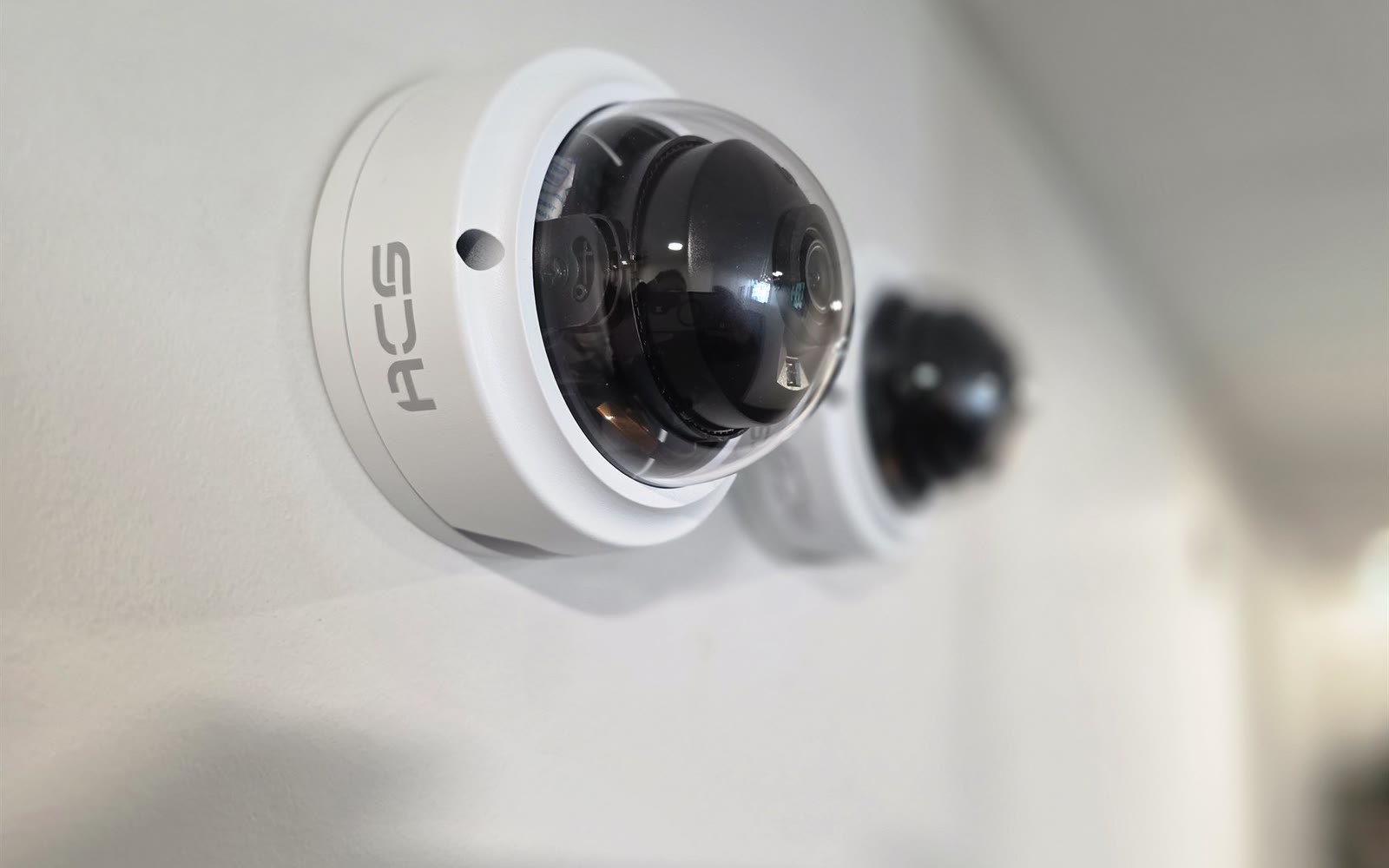
  • An ACS dome camera mounted on an interior ceiling
    Interior camera Entrances and common areas only

    Placed where it protects people and never where it intrudes on them. Coverage stops at the door of anywhere a resident has a right to privacy.

  • An ACS patrol vehicle
    Mobile patrol Overnight attendance between sites

    For organisations running several buildings: scheduled attendance and response without funding a static post in every one of them.

Ask how officers are briefed on a building before their first shift.

(519) 800-3947
Not quite your building?

Other buildings we cover.

Homeless shelters, community centres, social services, supportive housing, drop-in and day programs, overnight programs and outreach sites.

Explore all solutions
Proof

A presence that protects
without escalating.

An open door with light spilling into a dark room
Guarding · Community

Community services facility

Problem: a sensitive community site with constant interaction, day and overnight.

Plan: a trauma-aware presence with clear boundaries, access monitoring and support for staff.

Outcome: a calmer site and supported staff, with reporting that respects privacy.

Read the community services case
FAQ

Common questions.

Yes. Our guards are trained in situational awareness and de-escalation. They bring a respectful, trauma-aware presence to sensitive, high-need environments, protecting people without escalating.

Yes. Shelters and community services run around the clock. Coverage scales across daytime and overnight hours, and every shift is supervised and documented.

Guards bring a calm, respectful, trauma-aware presence with clear boundaries, and our reporting respects privacy. Staff still get clear incident reporting from every shift.

Every guard is individually licensed under Ontario's PSISA and screened before representing ACS. Operations carry comprehensive general liability coverage.

Where it helps. Guards lead. Commercial CCTV and 24/7 live virtual monitoring can extend coverage across entrances, common areas and overnight hours, adding visibility and a documented record.

Yes. Every deployment is supervised, every guard is briefed on the specific site before arrival, and every incident is documented with clear reporting.

Question not covered here? Call (519) 800-3947 and talk to the team that runs the coverage.

Let's secure
your building.

  1. Tell us about the siteSend the short form, or call (519) 800-3947.
  2. A coordinator follows upBy phone or email, to book your walkthrough.
  3. Your free assessmentLayout, access points, high-risk hours and the coverage that fits.