Results About Careers Contact Law Enforcement Video Request
Virtual Client Sign-in Guard Client Sign-in Request a Free Security Assessment (519) 800-3947
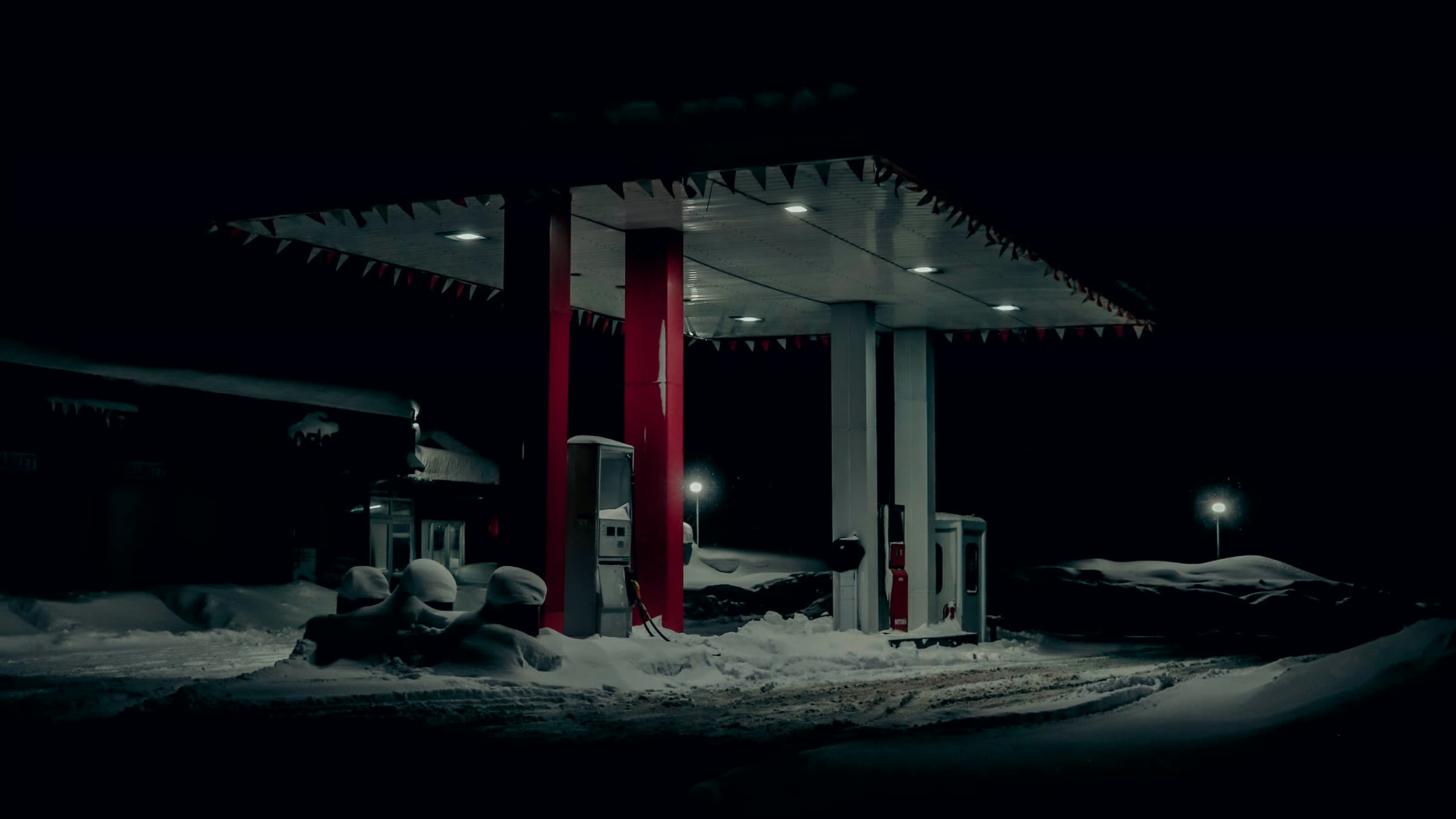
A fuel forecourt under a lit canopy at night, snow on the ground and nobody on it
Retail, Restaurants & Gas

Retail security for the shift,
and the eight hours after it.

Officers on the floor while you are open, cameras on the doors, counter and forecourt, and live operators watching the lot once the lights go off. For stores, restaurants, fuel sites and plazas.

What the numbers say

Theft is only part
of what a store loses.

Canada's shoplifting count is climbing in a falling market. The American count is higher than anything on this page by an order of magnitude. Here is the record, from the agencies that keep it.

Canada · 2025

0up 11% on 2024

shoplifting incidents reported to police across Canada in 2025 — a rate of 502 per 100,000, in a year overall crime severity fell 5%.

Statistics Canada · 2025

79%over ten years

is how far the shoplifting rate has risen since 2015, over a decade in which property crime overall fell 3%.

Statistics Canada · 2015–2025

United States · 2025

0reported to police

shoplifting offences in the FBI's 2025 count — down from 1,272,144 in 2024, and far above the 809,450 reported in 2021.

FBI · CIUS table 7

0convenience stores

robberies recorded at U.S. convenience stores in 2025 by NIBRS-reporting agencies, with 5,260 more at service and gas stations.

FBI · NIBRS table 18

Canadian counts exactly as printed in table 5 of Statistics Canada's Police-reported crime statistics in Canada, 2025 (22 July 2026). U.S. figures from the FBI's 2025 release (August 2026): shoplifting from Crime in the United States table 7, reported offences rather than national estimates, with the 2021 figure depressed by that year's reporting transition; store robberies from NIBRS table 18, which counts what participating agencies recorded. Both countries count only what is reported — in one B.C. survey, 41% of businesses reported nothing to police at all.

How it works

Open hours covered.
Closed hours watched.

A store runs two shifts of risk: the one with customers in it, and the eight hours after. This is how the second one looks from the ACS operations centre.

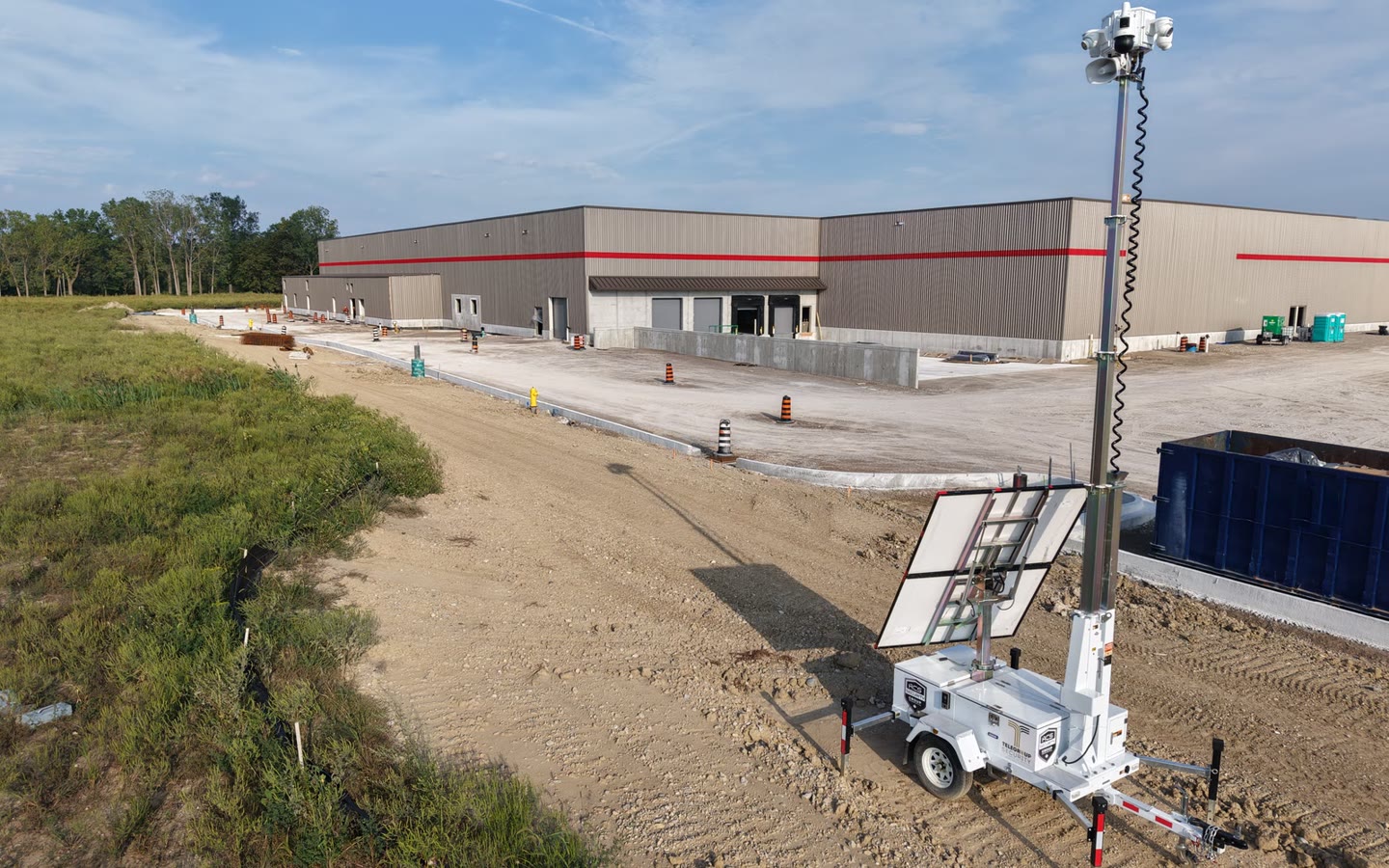
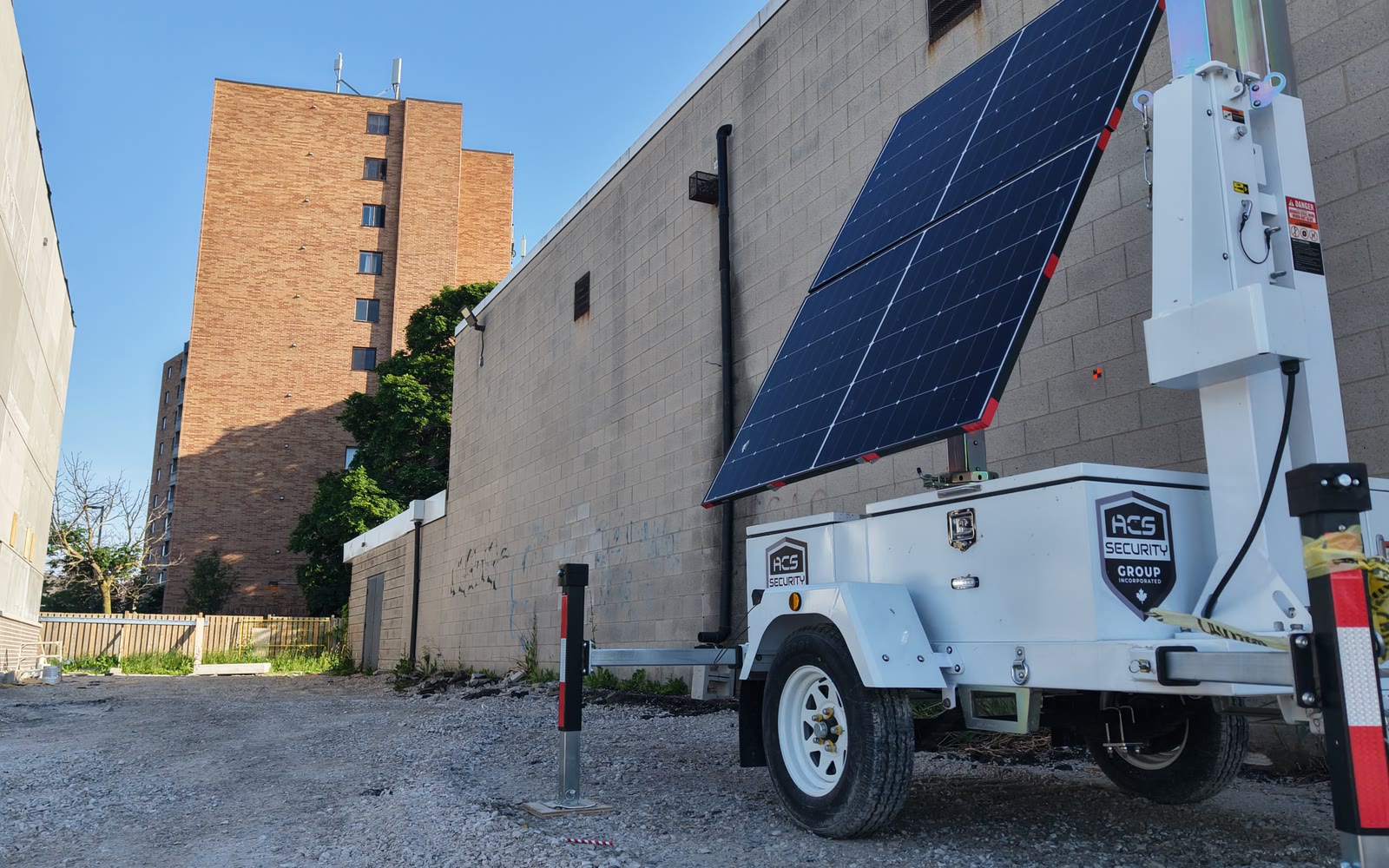
An ACS mobile tower on the site of a retail unit under construction, loading doors and graded ground behind it

A unit still being fitted out, before the lot is paved — the doors, the ground and the approach, held from the one position on site with anything to mount to.

Open and closed are two different businesses

Nobody shoplifts at 3am,
and nobody kicks a door in at noon.

Retail gets sold one product for two completely different problems. These are the four parts of a trading day, and the honest answer to each one is not the same answer.

  1. Trading

    The problem is people

    Theft, abuse of staff, and the customer who will not leave. A camera records it. It does not stop it.

    • Officer on the floor
    • Cameras for the record, not the response
  2. Close

    Cash-out and the walk to the car

    The riskiest ten minutes a retail employee has all day, and the one nobody staffs.

    • Officer through lock-up
    • Lot covered while staff leave
  3. Overnight

    The problem is the building

    Glass, the back door, the roof, the bins. Nobody is there to notice, and an alarm only tells you afterwards.

    • Zones armed on glass, lot and rear lane
    • Operator speaks before entry
  4. Open

    You should already know

    Finding damage at opening costs a trading day. Knowing at 02:40 costs a phone call.

    • Overnight log before first shift
    • Clip attached to anything that happened
What you get

What we put in the store,
and what each part stops.

A store carries two different problems in one day, and they need different answers. Here is what ACS puts where, and what each position is there to stop.

Open hours, on the floor

Retail & Loss Prevention

Officers on the floor for theft, disputes and the shifts where staff are told not to intervene and need somebody who can.

Doors, counter and stockroom

Commercial CCTV

Cameras where the loss actually happens, in colour at night, with clips a manager can export without calling anyone.

After close

Virtual Security Guard

Operators watch the store and the lot live and speak to anyone who comes onto them once the lights are off.

The lot and the forecourt

Mobile Defense Towers

An elevated camera over the parking area and the pumps, covering the ground a camera on the building cannot see.

Alarms, any hour

Mobile Patrol & Alarm Response

A licensed officer attends the call, so a manager is not driving in at three in the morning to check a door.

Most stores start with the hours that hurt most and add the rest later — see what an assessment covers

The equipment

One officer, one camera head,
one tower.

One of the three is a person and two are hardware. Each covers ground the other two cannot reach.

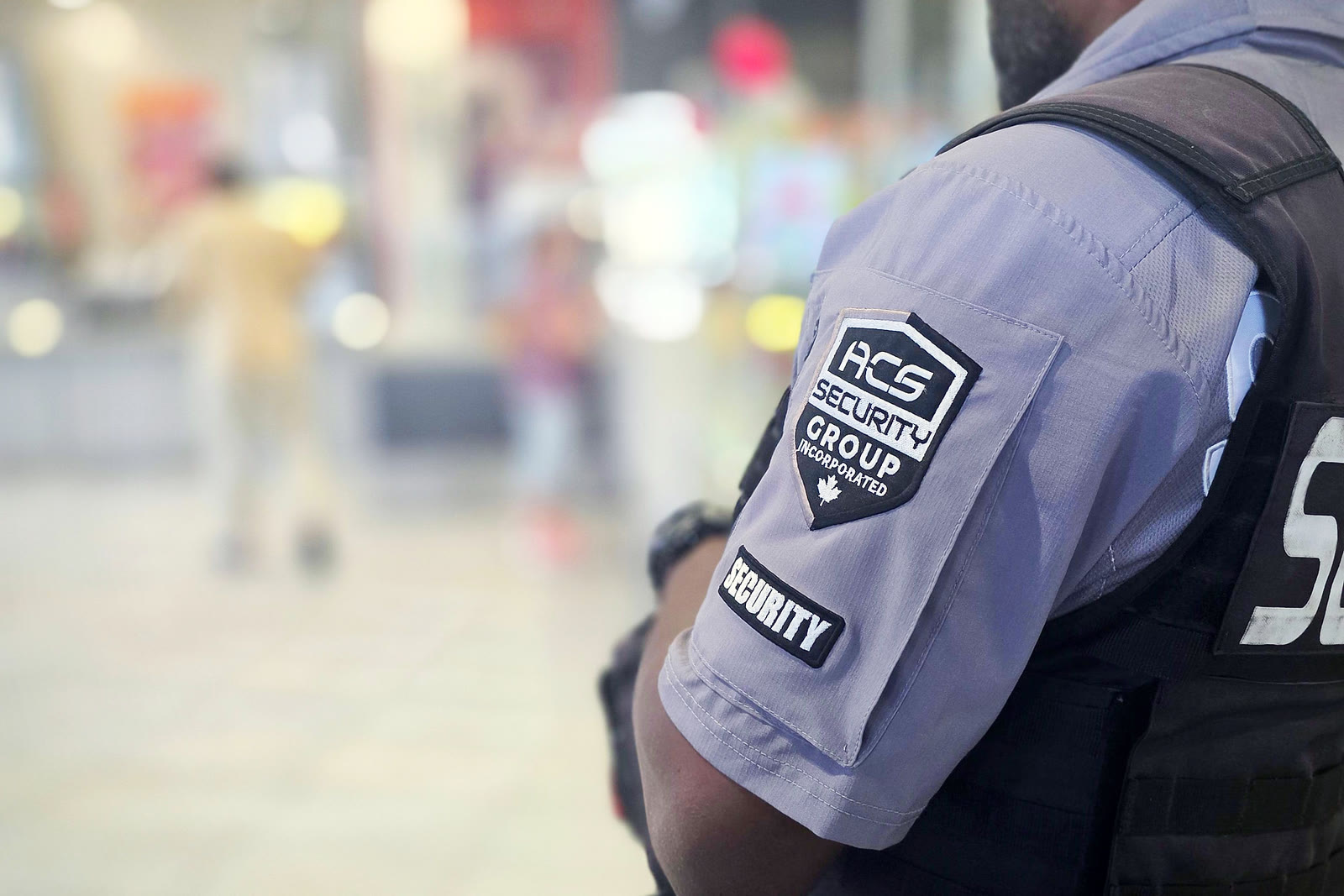
  • An ACS officer on the floor of a busy retail space
    Licensed officer The floor, during trading

    Presence at the door and on the floor, de-escalation when a customer will not leave, and staff who are not the ones being asked to confront anybody.

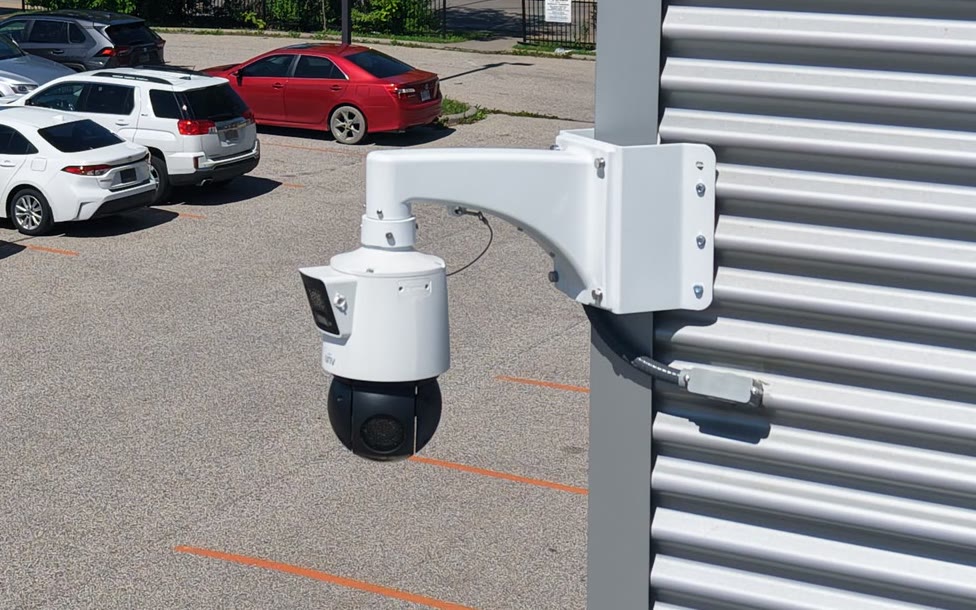
  • An ACS pan-tilt-zoom camera on a bracket above a parking area
    Pan-tilt-zoom head Entrances, tills and the lot

    Continuous recording where the value is, and a head that can be driven onto the door, the till or a vehicle in the lot while it is still there.

  • An ACS mobile tower on a gravel lot beside a commercial building, solar panel deployed
    Mobile tower The lot, and units not yet open

    Covers a parking field or a unit still being fitted out, where there is nothing to mount to and no power to draw — including through a build or a re-tenanting.

Open hours, closed hours, or both — ask which one your store actually needs first.

(519) 800-3947
Proof

Sites we assessed and held.

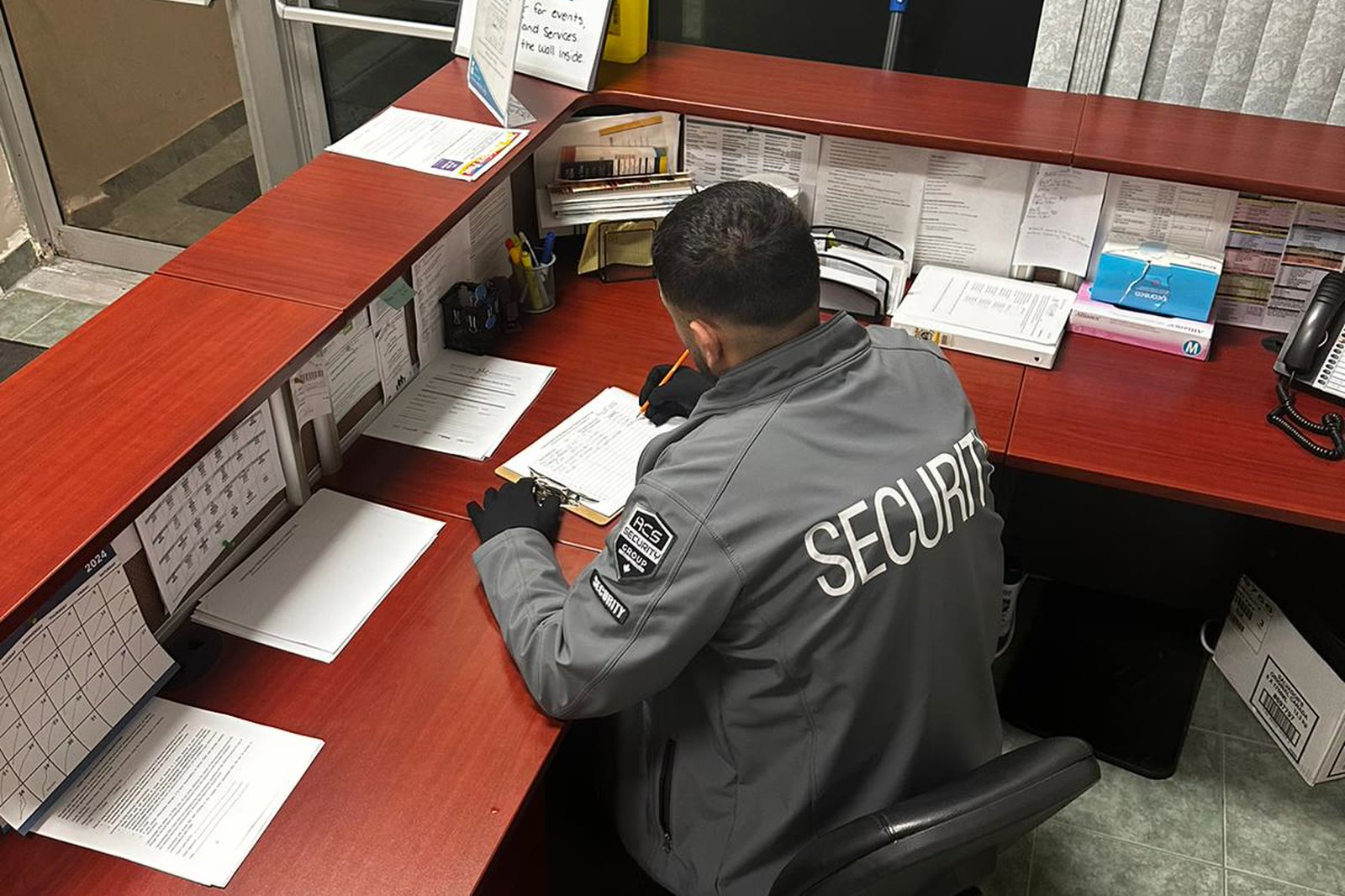
An ACS officer at a front desk, writing up the shift log
Guarding · Public-facing

Downtown restaurant

Problem: a busy public-facing restaurant where multiple providers had already failed.

Plan: site-specific post orders, presence inside and out, de-escalation first.

Outcome: order restored inside and out, with daily reporting to ownership.

Dailyreports to ownership
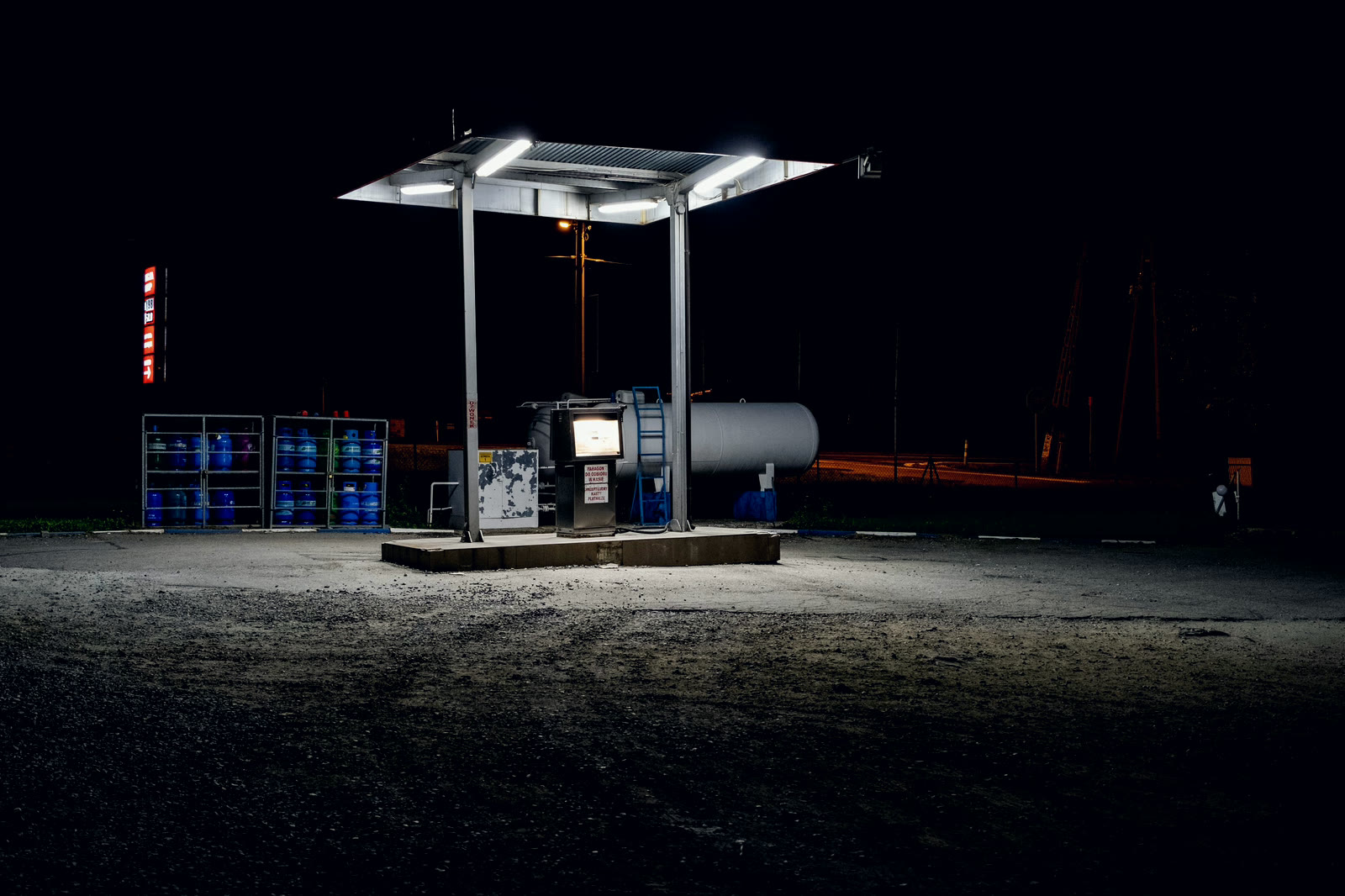
A small fuel forecourt lit at night with nobody on it
Patrol + tower

Neighbourhood retail & fuel site

Problem: a retail and gas forecourt with after-hours loitering and public interaction risk.

Plan: visible deterrence, with patrol coverage integrated with a monitored tower.

Outcome: deterrence the neighbourhood can see, with incidents documented and reported.

Visiblepatrol + tower deterrence
FAQ

Common questions.

Yes. Live virtual monitoring watches the site after you close: operators verify alerts, voice down on site to deter and coordinate with police. Mobile patrol can add an officer who attends alarms in person.

The cameras record in full colour day and night, holding true colour in low light rather than washing out to infrared, so identifying detail survives. Playback is clean and exportable when you need it as evidence.

Yes. A mobile defense tower goes in with no permanent install. Its 25-ft mast carries 4K pan-tilt-zoom cameras, sirens and lights for active deterrence, with live monitoring available on every unit.

Yes. Guards provide visible presence on the floor and at exits, de-escalate loitering and disputes without disruption, and support staff through the last hour and lock-up.

Every guard is individually licensed under Ontario's PSISA and screened before representing ACS. Operations carry comprehensive general liability coverage.

Yes. ACS delivers guards, mobile patrol, CCTV, live virtual monitoring and mobile towers as one accountable program, assessed together so the layers work as one, not as separate vendors.

Question not covered here? Call (519) 800-3947 and talk to the team that runs the coverage.

Let's secure
your store.

  1. Tell us about the siteSend the short form, or call (519) 800-3947.
  2. A coordinator follows upBy phone or email, to book your walkthrough.
  3. Your free assessmentLayout, access points, high-risk hours and the coverage that fits.