Compliance Exposure
Unclear licensing, insurance, WSIB or employment practices become inherited exposure.
- Licence unverified
- Insurance unverified
- WSIB unverified
- Employment unclear
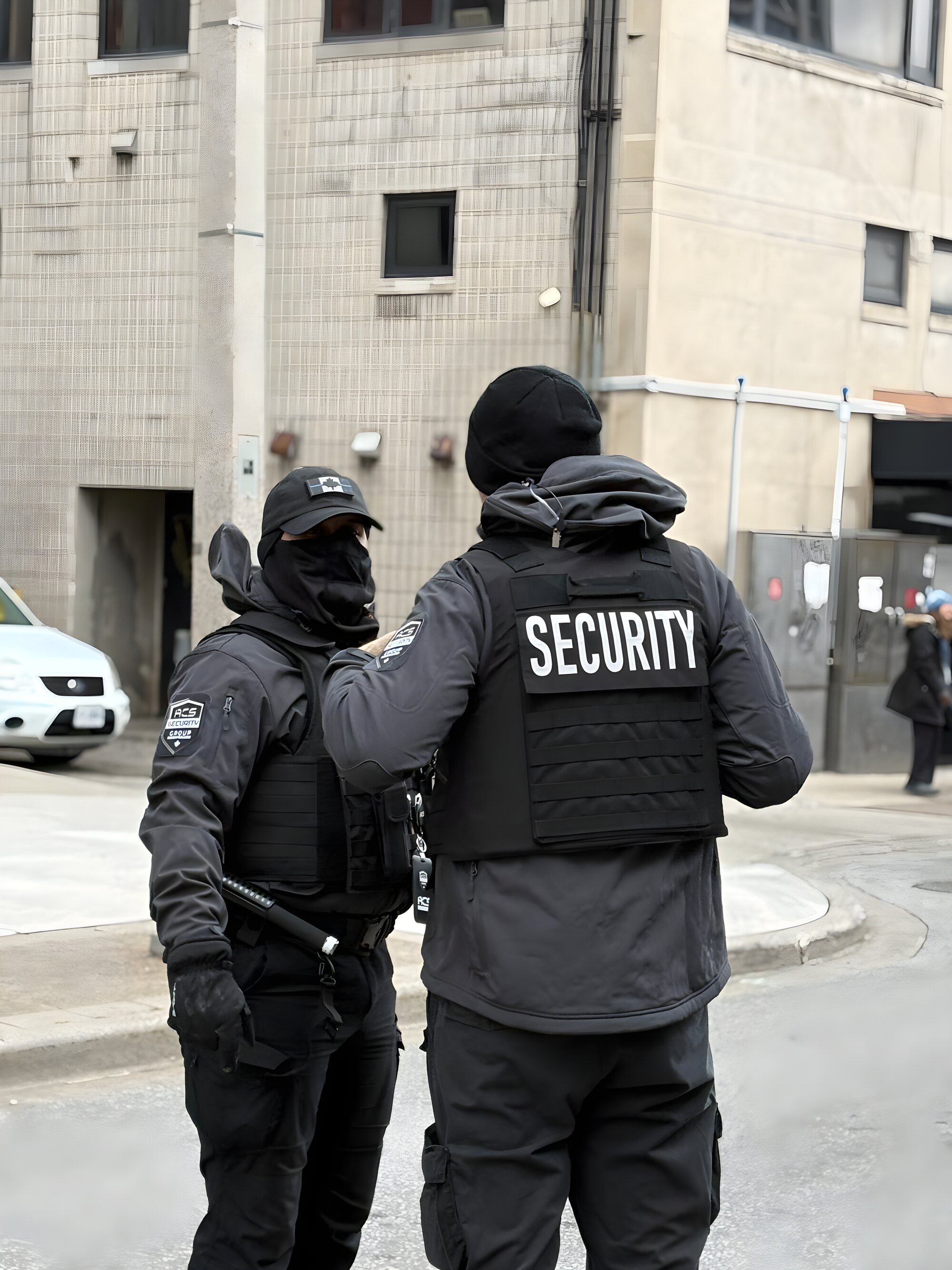
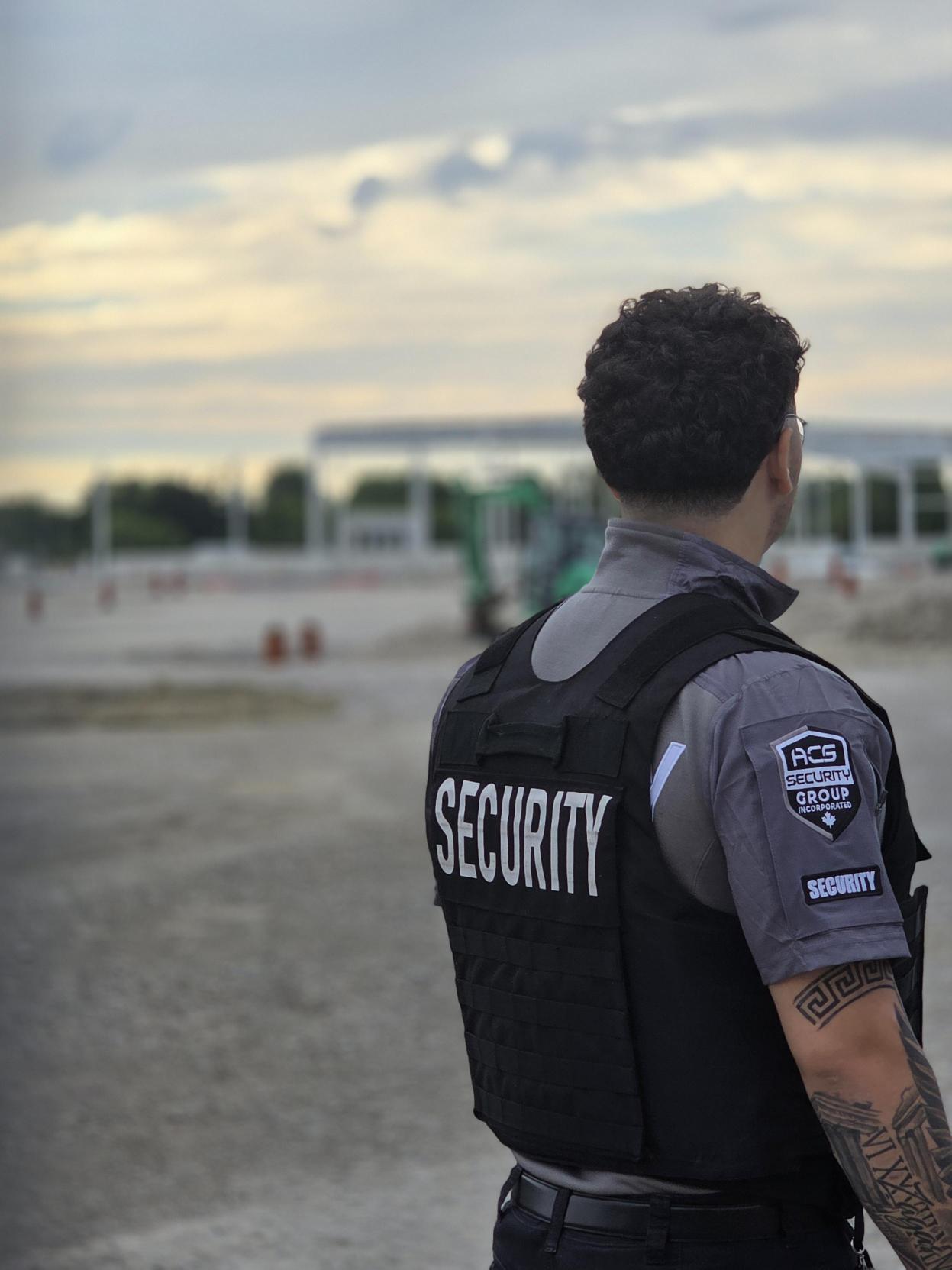
PSISA-licensed guards, each one briefed on your site, supervised on every shift, and documented from the first post.
Security is often purchased by the hour. The real cost is determined by what sits behind that hour: compliant staffing, proper insurance, site direction, operational oversight and evidence of performance. When those controls are absent, the apparent saving is transferred to the client as risk.
Unclear licensing, insurance, WSIB or employment practices become inherited exposure.
A post is filled, but not properly directed, positioned or supported. Deterrence weakens.
Present, but not directed
No meaningful reporting, so recurring issues go unmanaged and decisions are made without proof.
One preventable incident, claim or disruption outweighs months of rate savings.
Evaluate the controls behind the rate. Not the rate alone.
The hourly rate is only the visible cost. The real cost is what happens when the guard coverage you paid for cannot be verified, managed or relied on when something goes wrong.
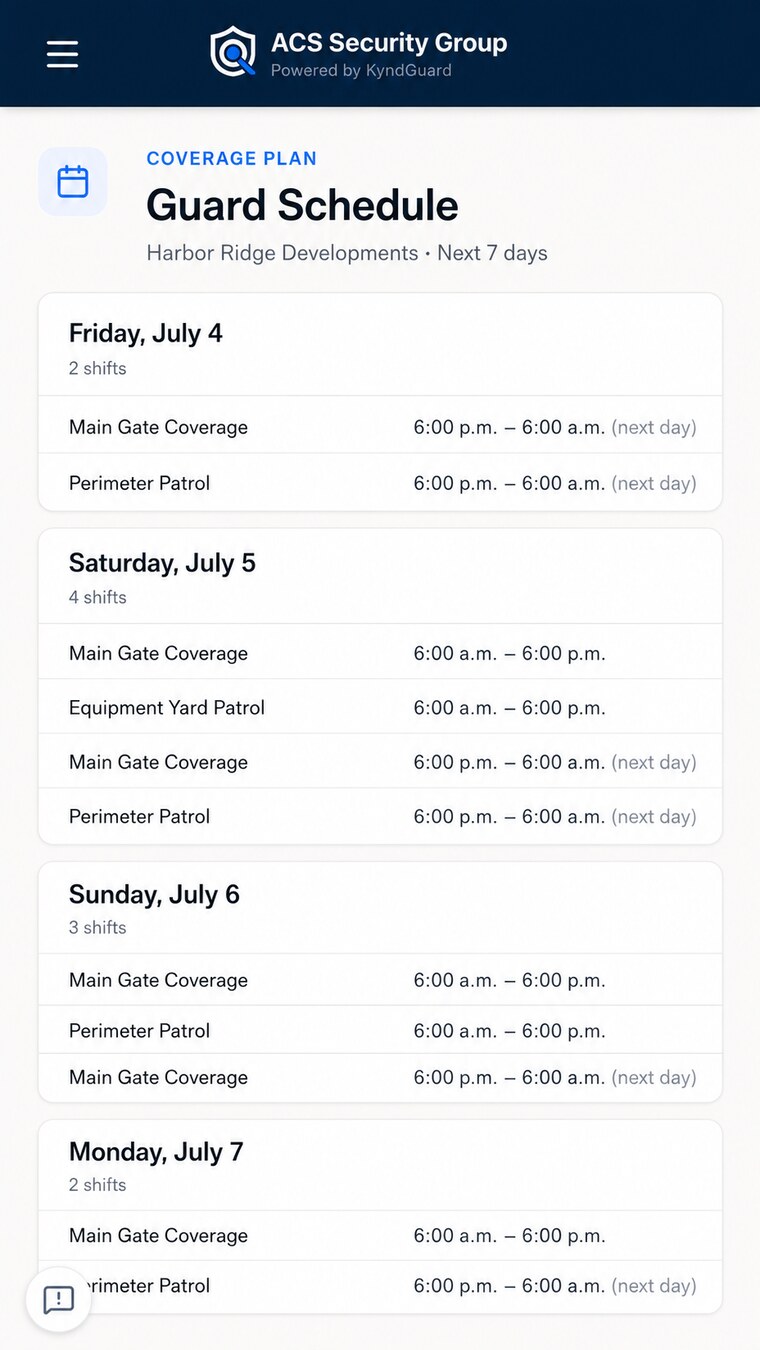
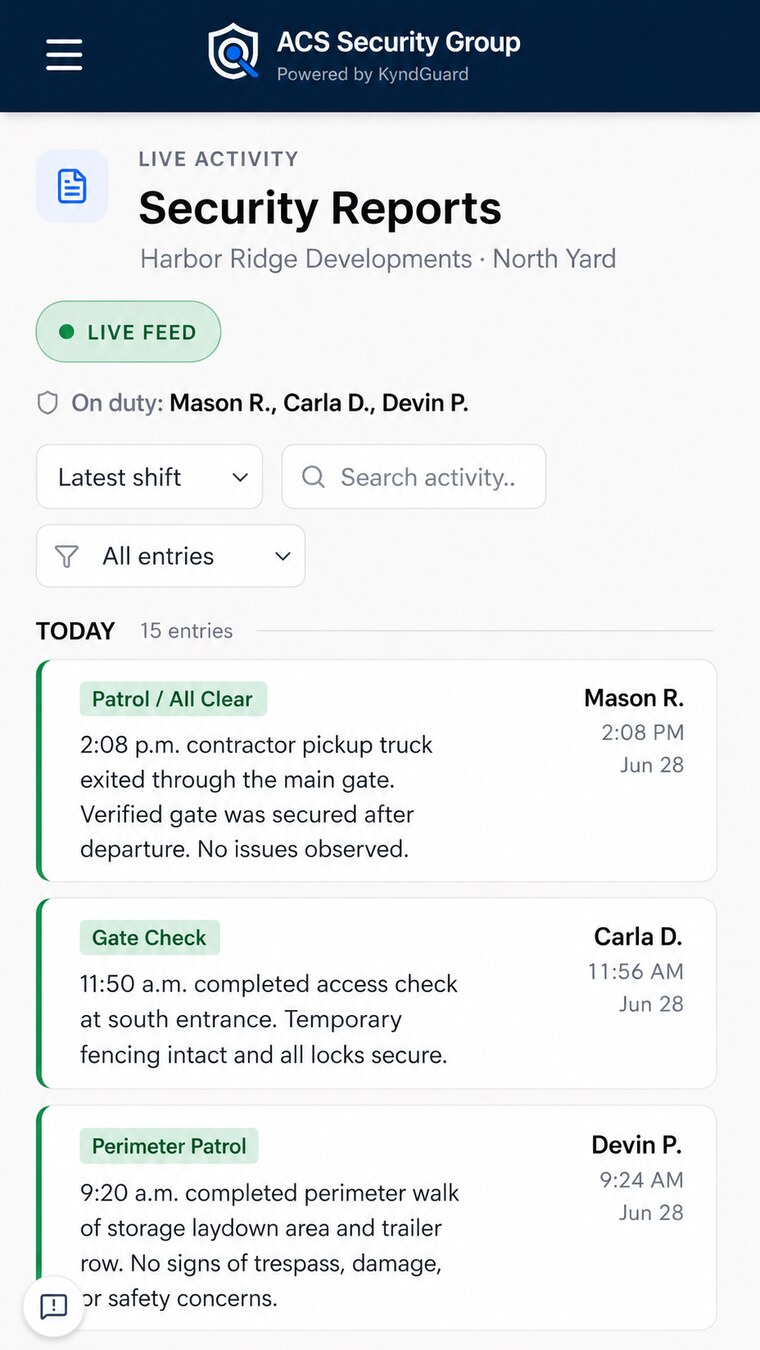
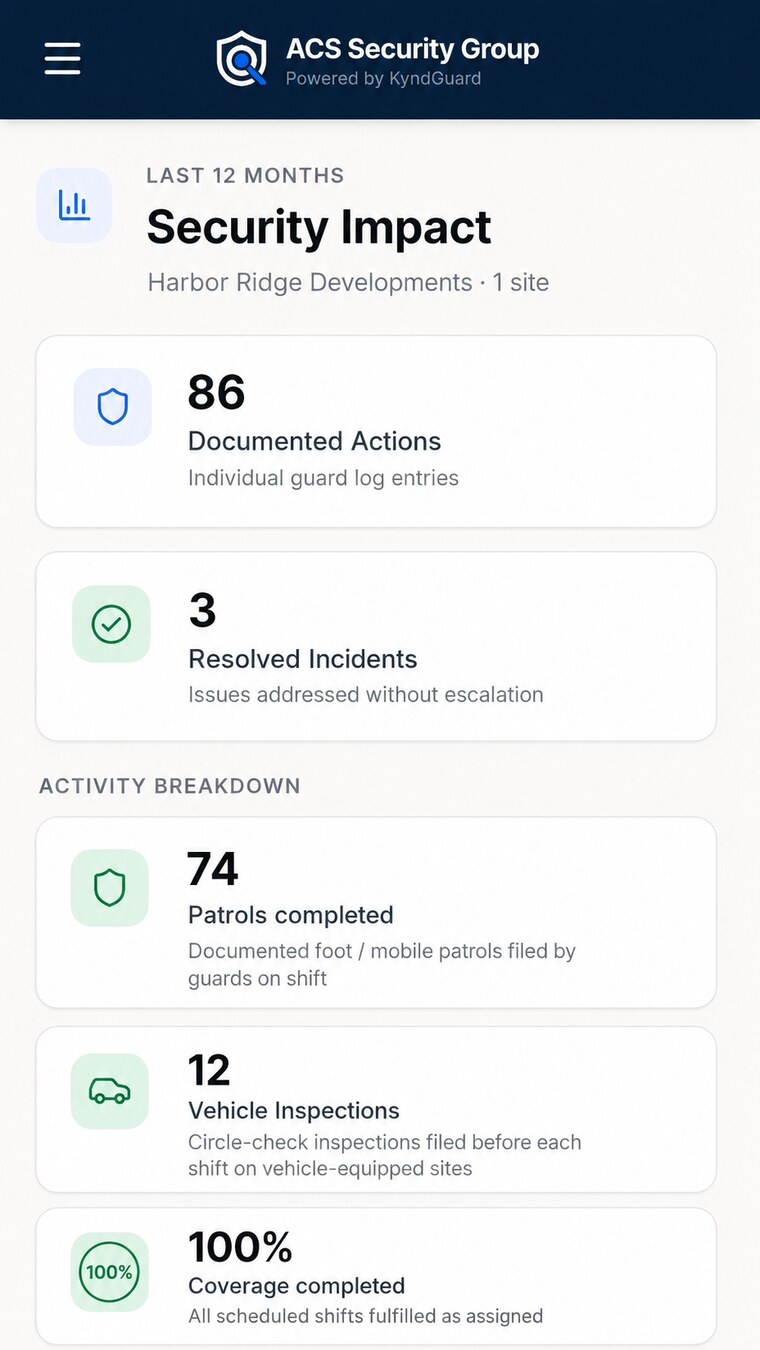
A low bid can still put a uniform on site and create visible deterrence. Without proof of patrol activity, confirmed duties, documented incidents and clear escalation, non-performance stays invisible until an incident exposes it. The savings on the invoice are then paid back through loss, disruption, claims and staff time. ACS guards work from site-specific post orders, log activity through the shift and operate under active oversight. You see the documented reporting in the ACS Client App, so coverage can be checked when the site is tested.
What the invoice shows, and what it leaves out.
Hidden exposurepaid back through loss, disruption, claims and staff time
Verified coveragedocumented activity, oversight, client visibility
ACS defines the post before deployment and manages coverage against your site's expectations. Your team sees activity, incidents and open concerns in the ACS Client App.
Every assignment includes
From one access point to an entire property, ACS configures guard coverage around what needs to be controlled, protected or observed. Start with one coverage model or combine them into a coordinated site plan.
Visible control at a gate, entrance, lobby or priority zone.
Moving coverage through vulnerable areas, assets and access points.
Controlled entry, sign-in and a clearer record of who comes and goes.
A visible presence during staff transitions, lock-up and departure periods.
Coverage when the site is closed, less populated or most exposed.
Multiple guards working from one site plan across larger or higher-traffic operations.
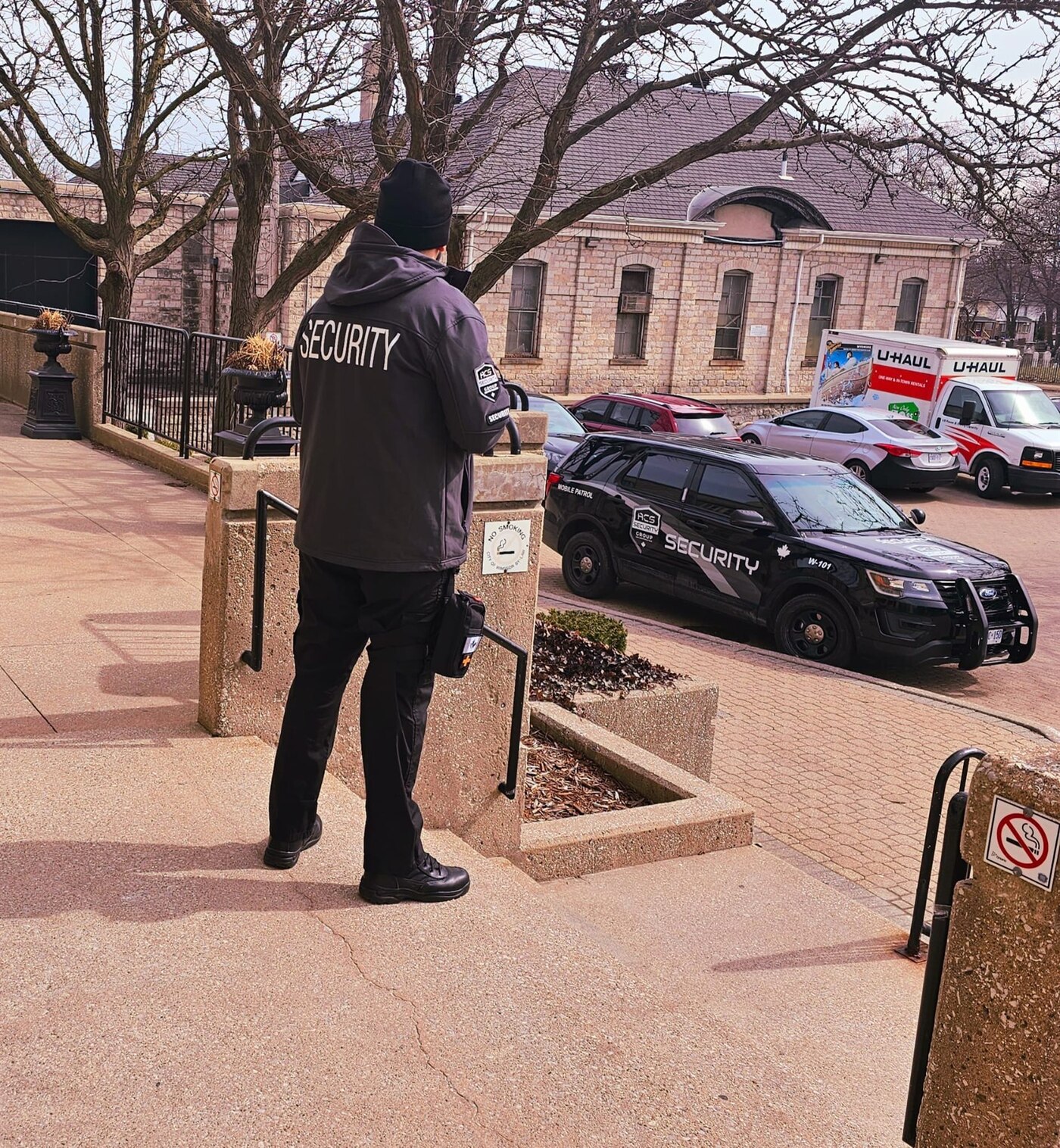
One post or a full coverage plan. Built around the way your site operates.
Where guard coverage fits
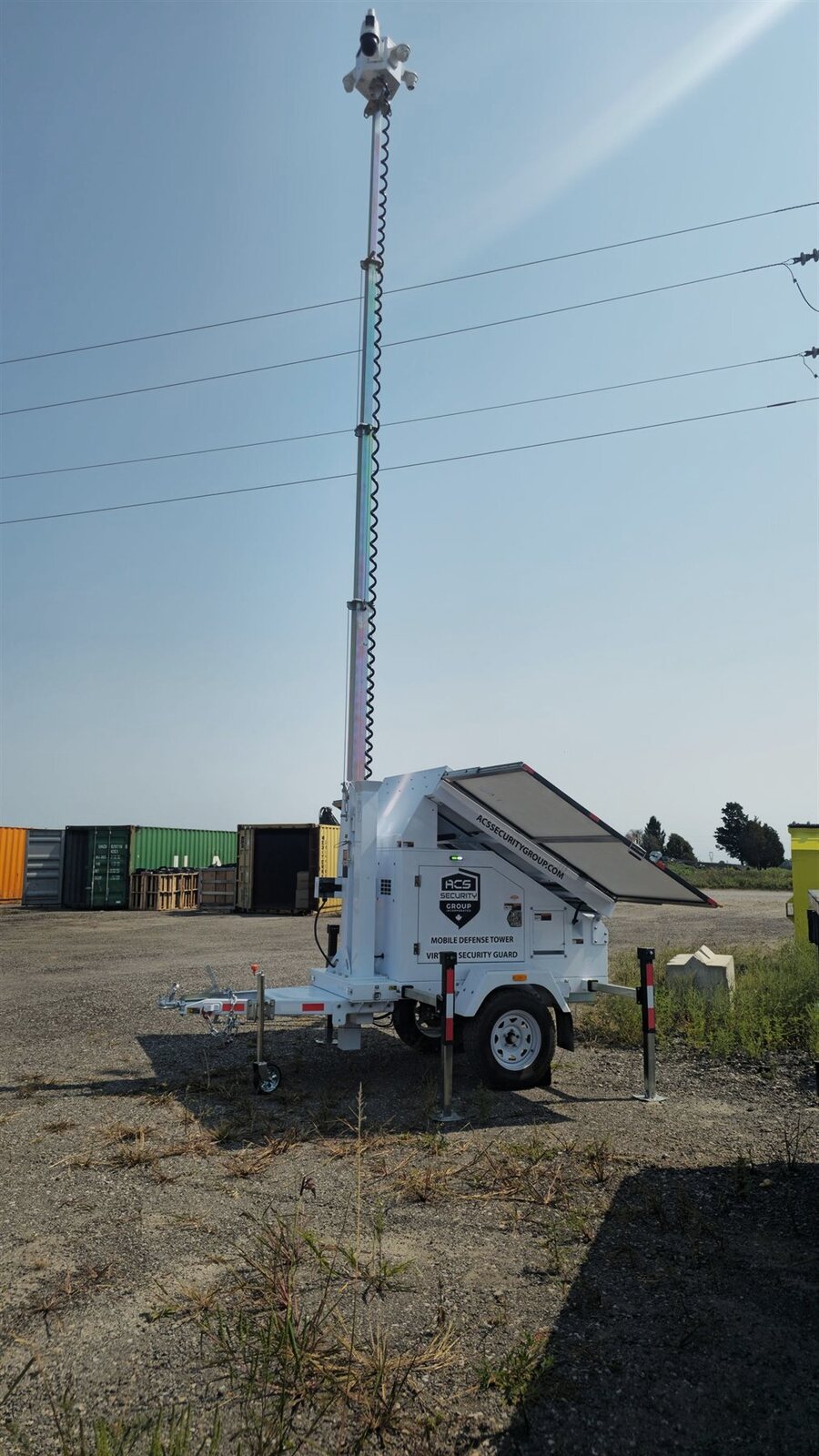
Cameras, live virtual operators and rapid-deploy towers layer onto guard coverage. They watch more ground around the clock without staffing a guard at every point, and human accountability stays in place.
A busy public-facing restaurant where multiple providers had already failed. ACS set site-specific post orders and an interior and exterior presence, de-escalation first. Order was restored inside and out.
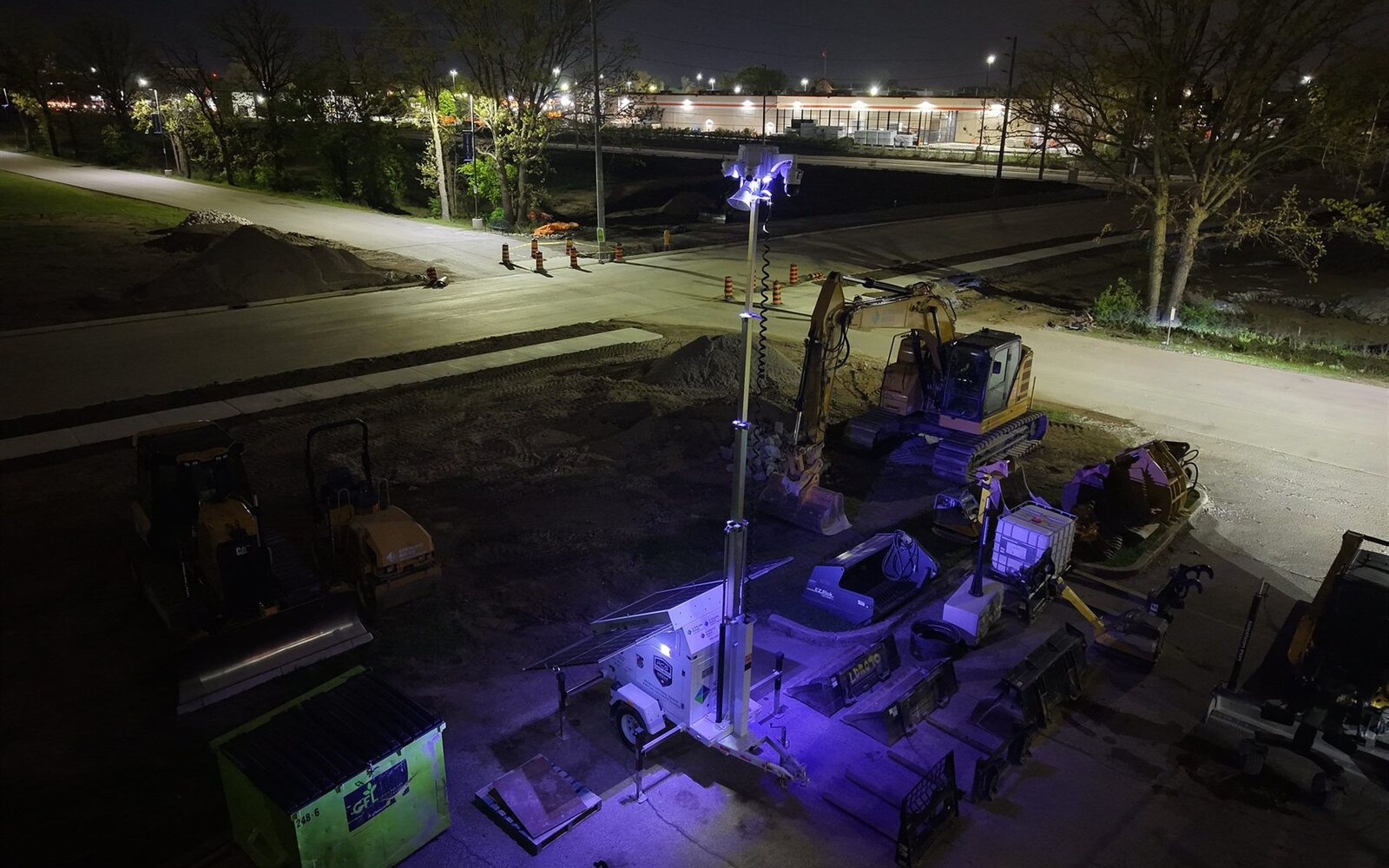
An active build whose exposure shifted phase by phase. Guards held the gate, a mobile defense tower covered the perimeter and live virtual oversight took over after hours. One record of site activity across every phase.
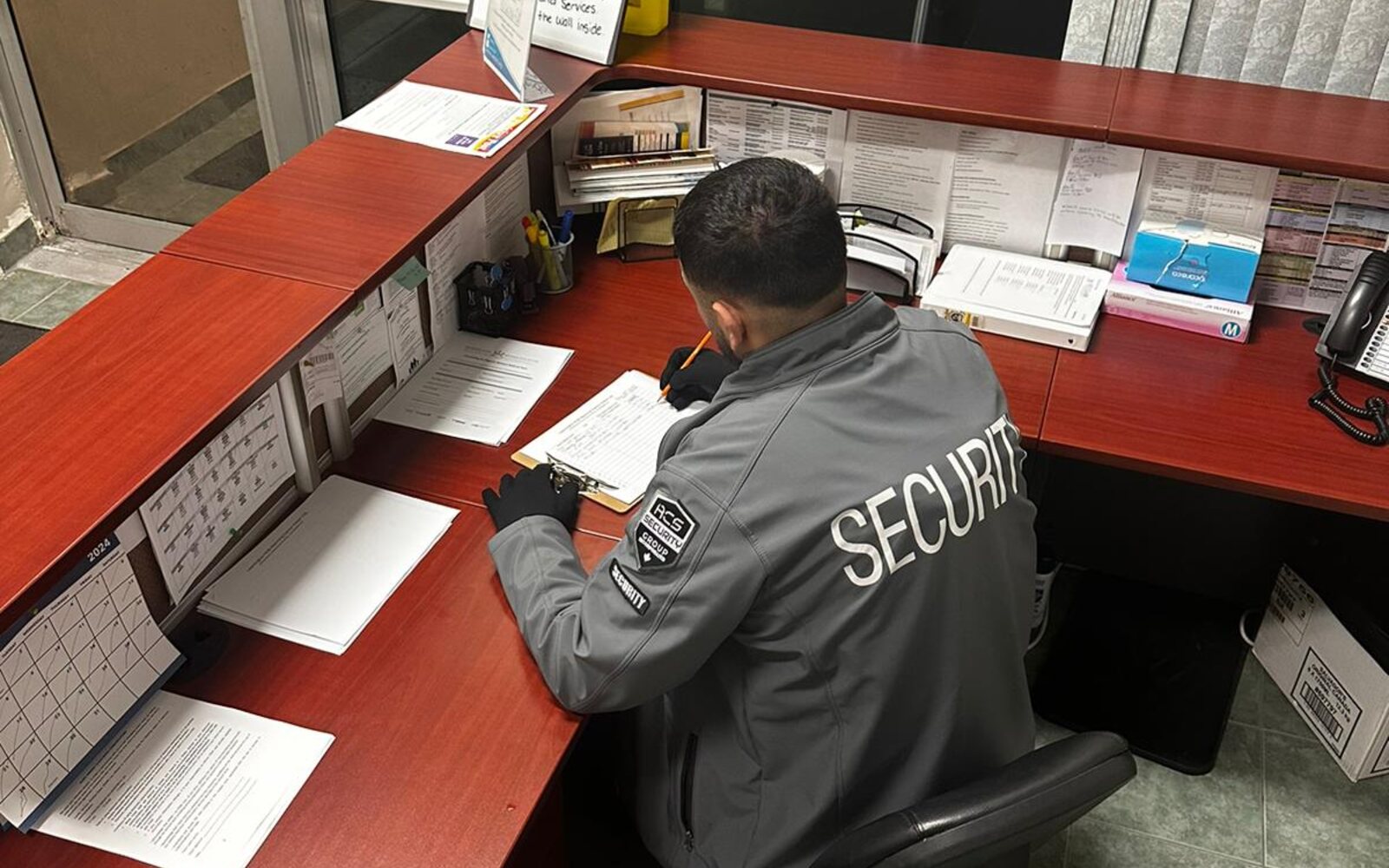
A sensitive community environment with constant day and overnight interaction. ACS provided a trauma-aware presence with clear boundaries, access monitoring and staff support. Staff felt supported and the site grew calmer.
After a site assessment. We confirm scope, post orders and staffing first. Urgent needs are walked through by phone the same way: assess, then deploy.
Every guard is individually licensed under Ontario's PSISA and screened before representing ACS. Operations carry comprehensive general liability coverage.
Yes. We re-assess the site rather than inherit old assumptions, then transition posts with briefed personnel and updated post orders.
Property layout, access vulnerabilities, foot-traffic patterns, high-risk windows and where presence will actually deter. It becomes your deployment plan.
Yes. Shifts are supervised and documented, incidents are reported clearly, and reporting is reviewed with you as the program matures.
Both. Coverage scales from a single dedicated post to multi-post teams, matched to the risk profile, not a template.
Wondering what it costs? What security guards cost in Ontario. Question not covered here? Call (519) 800-3947 and talk to the team that runs the coverage.